
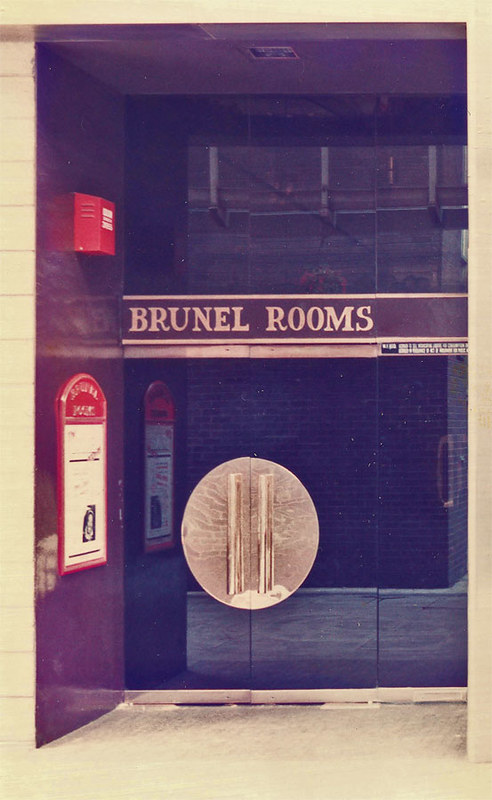
Even today, ask someone if they know of The Brunel Rooms and they will say yes, for those old enough, they will instantly without asking start reminiscing about their youth and the nights they enjoyed at what was one of the most famous night spots in Wiltshire.
Sadly, the venue closed its doors in late 2007, to open again briefly in 2008 under the name Liquid & Envy, but it is its heyday as the Brunel Rooms that the venue will forever be remembered.
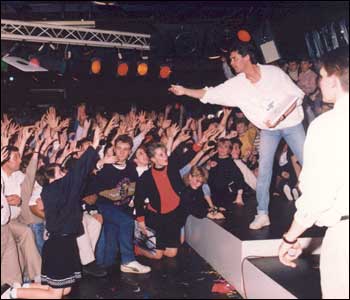
My recollection of The Brunel Rooms started as a young teenager still at school going to what was known as ‘Nappy Night’ on a Wednesday night for under 18s. The revolving bar, the sticky carpet and guest DJs performing like Philip Schofield who back then was huge with the youth population where alongside Gordon the Gopher would present Childrens BBC from the Broom Cupboard.
The Brunel Rooms was the place to be for local clubbers during the eighties, nineties and early noughties with the rise of dance music which brought appearances from big name DJs, themed events catering for Trance, Ragga and Hip-Hop.
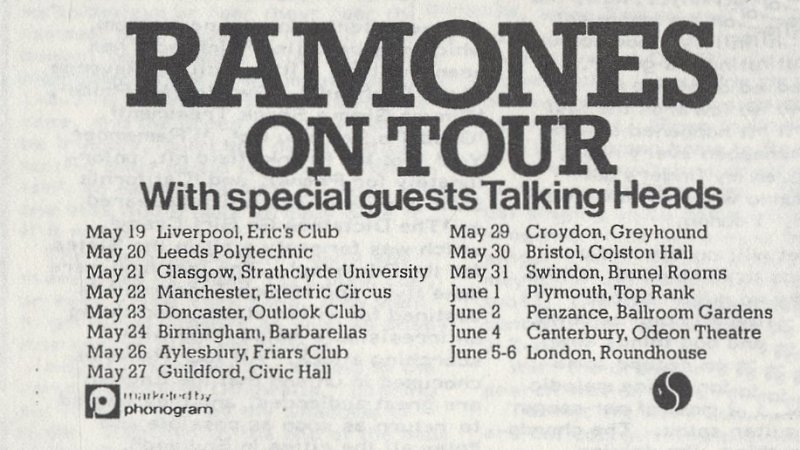
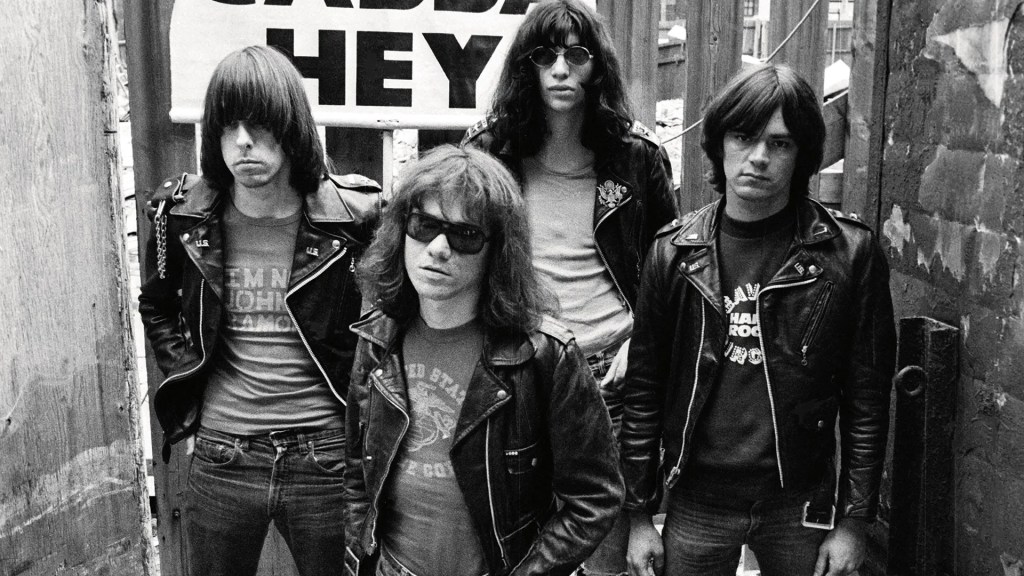
But those a little older will be able to remember a very different Brunel Rooms, a live music venue back in the 70s that saw the venue as a key music venue in the area if you were a band wanting to hit the big time, attracting bands both national and international that made up the Punk and New Wave music scene as huge as The Ramones, The Damned, Talking Heads, Generation X, Ultravox, The Jam, The Adverts and The Boomtown Rats before they became famous. Swindon was a town that if you were a band, that wanted to get your name out there, was a place on the map you wanted to perform, and The Brunel was the stage you wanted to be on. It’s no wonder that after the Oasis opened in the later half of the 1970s that well known bands would continue to come to Swindon.
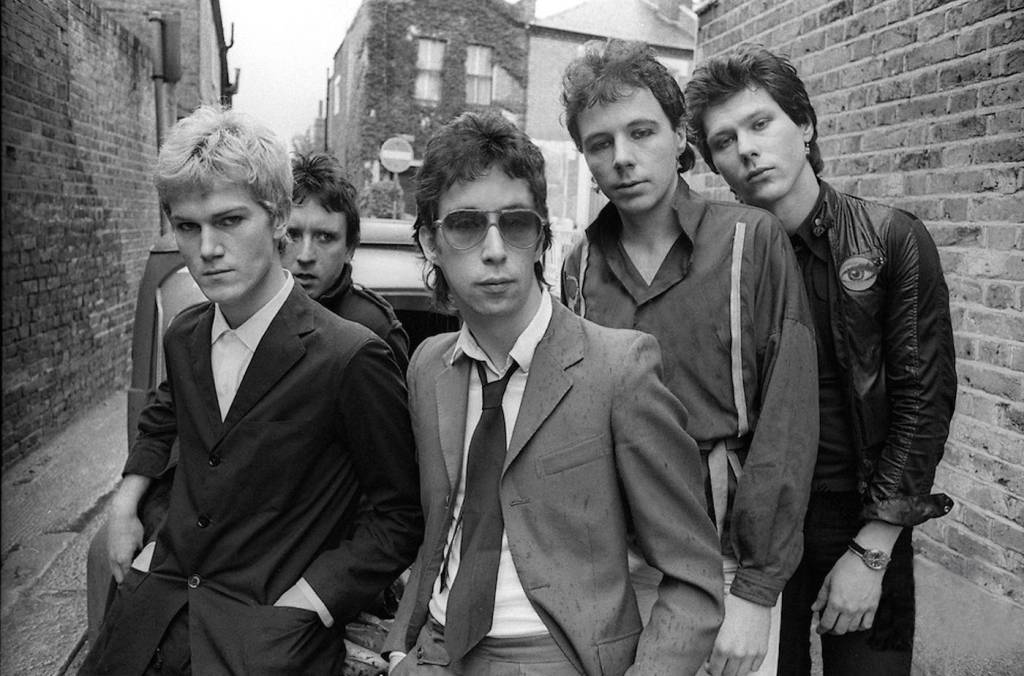
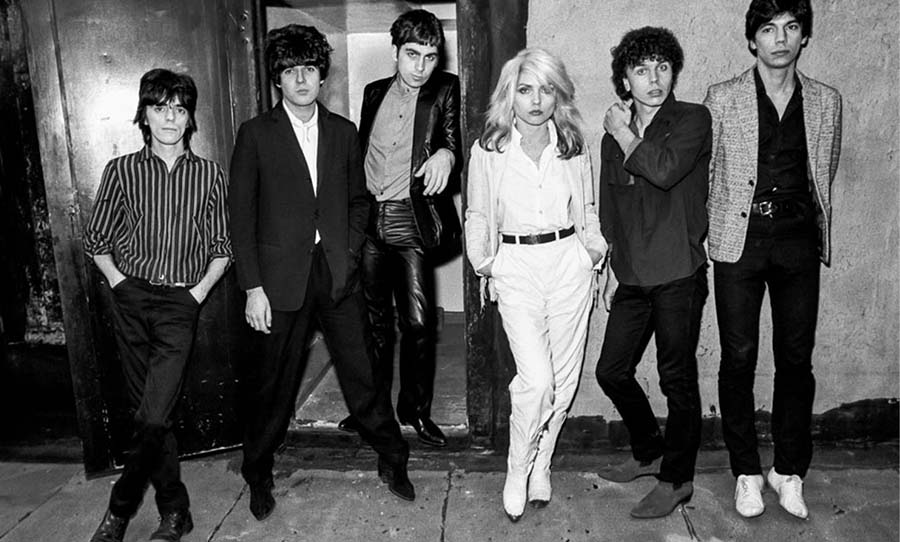
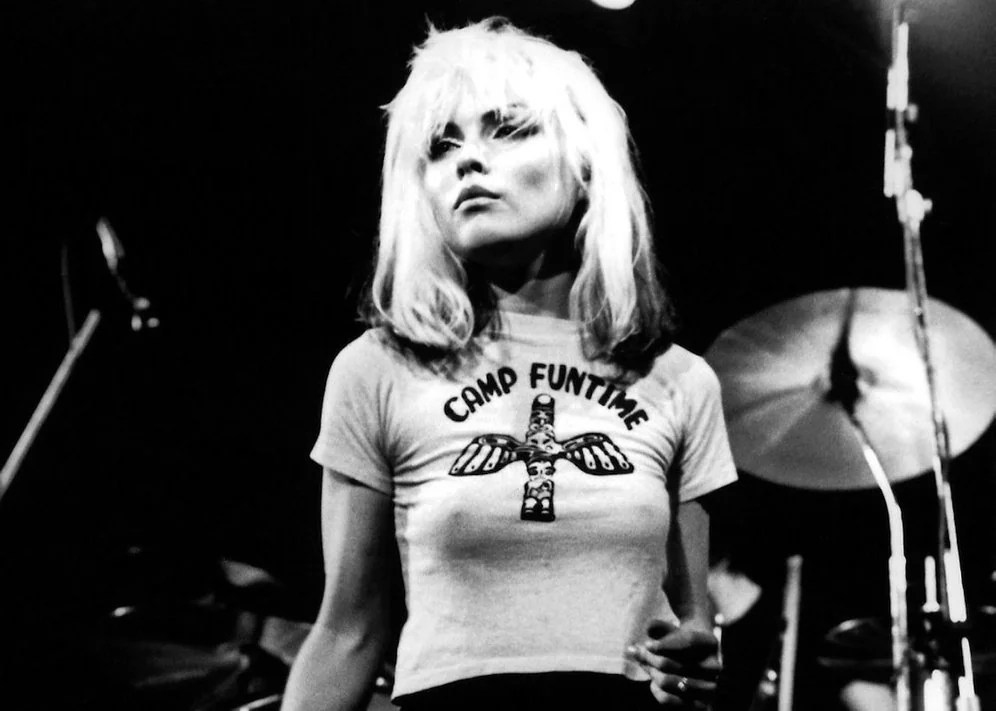
John Norman, who along with his brother Eddie and partner Bill Reid – was there from the opening of the club on 16th March 1973, and ran the club for the next 31 years.
As the man who booked the bands to play at the venue, John spoke to the BBC back in 2009 where he explained how it all came about.
“When we opened the club, people came for ballroom dancing,” he said. “We had a nine-piece house band and this worked out fine for a while but as the years progressed things started to change and we noticed when the band had a break and the chart music came on the PA, the dance floor filled.
“So we started to think what to do. We looked around, knew we were a big venue and could hold 1100 people, so we thought we’d get some name bands in.”
This coincided with the musical revolution going on in the country at the time – the birth of Punk saw scores of bands spring up around the country, and the sub-genre New Wave was also emerging.
These bands were hungry and had a play anywhere, anytime to anyone ethos, and stateside bands were also flooding the country, as Bill explained.
“We used to get tours from America, and they’d use us as a warm-up gig.
“There were lots of bands like Talking Heads and The Ramones who were about to break and their agents were looking for promotional tours for them, so we scored a lot from that. But it wasn’t an overnight thing – it took a while to build.”
It seems inconceivable now, but rock legends The Ramones and Talking Heads actually shared the bill at the Brunel Rooms on Tuesday 31st May 1977.
Although at the time it may not have seemed such a landmark for the town, if the rather cynical review in the ‘Scene’ section of the following Thursday’s Evening Advertiser newspaper is anything to go by.
An excerpt from the review, headlined ‘Ramones smash sound barrier’ reads; ‘Imagine a solid brick wall of frenetic sound and a bunch of banal lyrics mouthed by the leftovers of a 1960s motorbike gang.
‘You’ve pictured exactly the Ramones “concert” at Swindon’s Brunel Rooms on Tuesday night.
‘Ironically this group of New York – sorry Noo Yawk – kids are the idols of the English punk rockers.
‘Yet they look nothing like punks – no standard safety pins or razor blades and their music is not really in the Sex Pistols mould.
‘Apparently they did six encores but I left with a heavy heart, buzzing ears and a disturbed balance.’
A local publication which did fully appreciate the vital and angry new musical genre which was by turns outraging and enthralling the country, was short-lived Swindon fanzine Rub Out.
The opening page of issue one defiantly warns ‘Wotch out. This is Swindon’s one and only fanzine dedicated to the furtherance of New Wave rock’.
Whilst criticising rival Swindon club – The Affair in Theatre Square’s recent decision to change its Wednesday night New Wave music policy, the editorial in Rub Out’s inaugural issue goes on to praise the management at the Brunel for bringing acts such as The Ramones, The Damned and The Jam to Swindon.
Of The Jam, John Norman remembers that the band played at the club at least three times, as their popularity increased.
“Paul Weller’s dad was the manager and he was very enthusiastic. I think he’s still his manager now.
“They were just about to break onto the scene and they played in the amphitheatre the first time and it was packed. Then later as they got bigger they came back and played in the main hall. I remember they attracted a lot of students from Swindon College.”
The band made their debut at the Brunel on Friday 30th June 1977, and the subsequent review in the Evening Advertiser contained a highly positive notice.
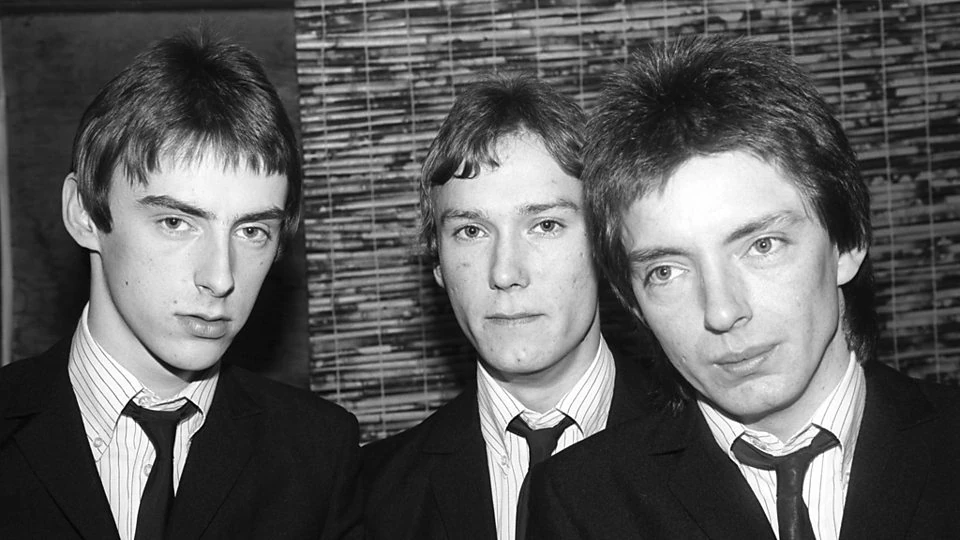
It reads; ‘To say the audience got off on it is (1) an understatement and (2) a pretty pointless comment seeing as punk fans in Swindon go totally ape at any new wave gig regardless of merit.
‘This one though, deserved it. The Jam are commercial, don’t look violent or agressive, but for three guys, make one helluva full sound.’
Bob Geldof and his band The Boomtown Rats played on 16th September 1977, and it was a gig which nearly ended prematurely.
John said: “That was such a hairy night because although they weren’t a punk band, that audience took them under their wing, and as soon as they came on they started spitting at them which was a terrible thing, but it was actually a sign of appreciation!
“Bob Geldof walked off stage and wouldn’t go back on. He was so angry saying ‘why do they did this, why do they always do this??!!’ He wasn’t one for keeping quiet.
“We had to make an announcement to say if they didn’t stop spitting the band wouldn’t come back on. There were jeers and shouting but the band returned to the stage and thankfully the crowd behaved themselves.
“It turned out to be a great night, but my heart stopped once or twice!”
A review in the Thursday 22nd September edition of the Evening Advertiser failed to mention the spitting, but it was as disdainful as that of their Ramones report.
It stated that ‘the Boomtowns pummelled us with non-stop mono-licks, but only the revolving bar provided the sort of entertainment Friday nights are made from.’
‘Musically this band is an absolute non-starter.’
Swindon’s very own New Wave heroes XTC were on the verge of breaking nationally but before they did, the band enjoyed a virtual residency at the Brunel.
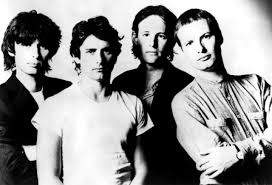
“Andy Partridge used to work in McIlroys – the local department store as a window dresser,” said John. “And they started out as the warm-up band for the name bands that came in.
“One gig they did after they had a hit record – the bass-player Colin Moulding had a death threat and wouldn’t go on. He was absolutely terrified and they took it seriously.
“So that night we had extra security around him and he was a nervous wreck. But nothing happened, thank god!”
The dawn of the eighties and the popularity of disco music signaled the end of regular live music at the Brunel Rooms, as did newer act’s expectations of the venue.
John explained: “One time we’d booked an up-and-coming band called Spandau Ballet, and I had a phone call from the agent to say the tour manager was going to come and see me.
“He came up to the club from London, took one look at the place and said the band couldn’t play there.
“I was shocked as we’d never had a problem before but he said it was because of the ceiling height – they wouldn’t be able to get all their equipment in. Most of the newer bands needed so much equipment to reproduce the sound they got on record.
“It also started to become more like a circus with the pyrotechnics, lights and strobes and all kinds of visual things along with the music, that it really ended live music at venues like the Brunel.”
The club went on to flourish as a dance music venue, but that short period in the late seventies when it attracted name bands as a live music venue, is a fascinating chapter in its long history.




 Entertainment Swindon
Leave a comment