

Double, double toil and trouble; Fire burn, and cauldron bubble’ Macbeth, Act 4, Scene 1
The three witches’ eerie incantation may be among Shakespeare’s best-known lines.
However, the connection to witches isn’t just fictional at Longleat in Wiltshire, which is home to one of the few surviving copies of the Bard’s First Folio – the first published collection of his plays.
Longleat’s historic buildings also boast a witches’ mark – ancient symbols etched into buildings as protection from witches and demons.
James Ford, Longleat’s curator, said: “The one at Longleat is very faint and difficult to see; it’s in a form known as a daisy wheel or hexafoil.
“These types of ritualistic symbols were added to buildings over the centuries as a way of warding off witches or evil spirits.
“They are often found by doors, windows or fireplaces, which were seen as weak points where evil could enter.”


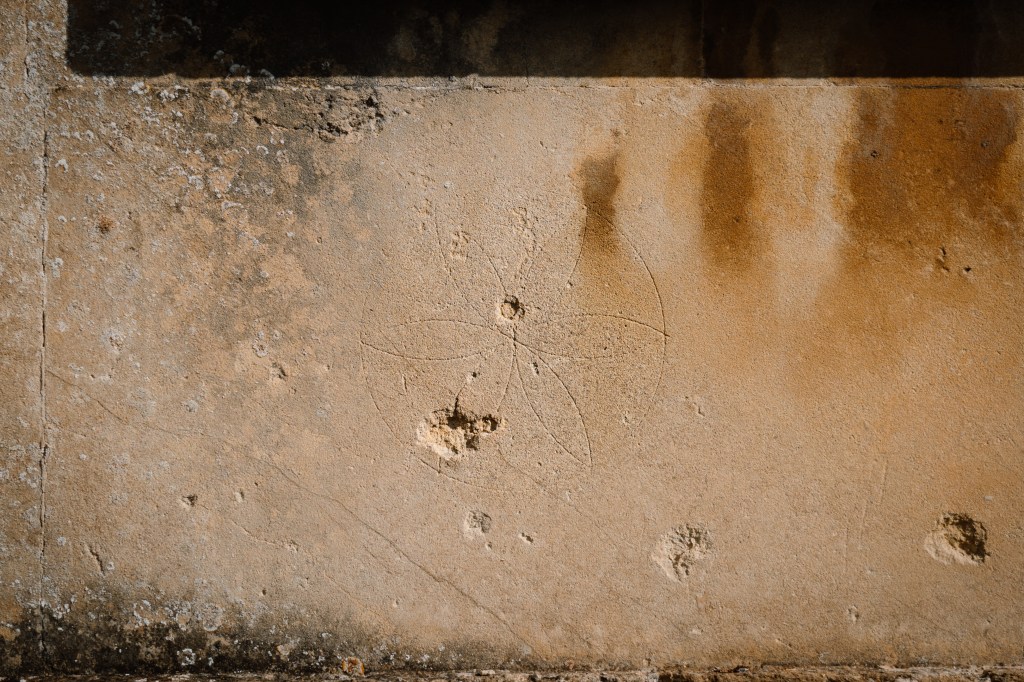
They have been found on buildings from the medieval period to the early 1800s, and the one at Longleat is late example; carved below a window in the stable yard which was built in the 19th century.
Witches’ marks – also known as apotropaic markings – have been found in historic buildings across England; although many have faded and can easily be missed.
“As far as we are aware this is the only one at Longleat. Why the stable yard and not on any of the other historic buildings is not known; a mystery often debated at Halloween,” added James.




 Entertainment Swindon
Leave a comment