
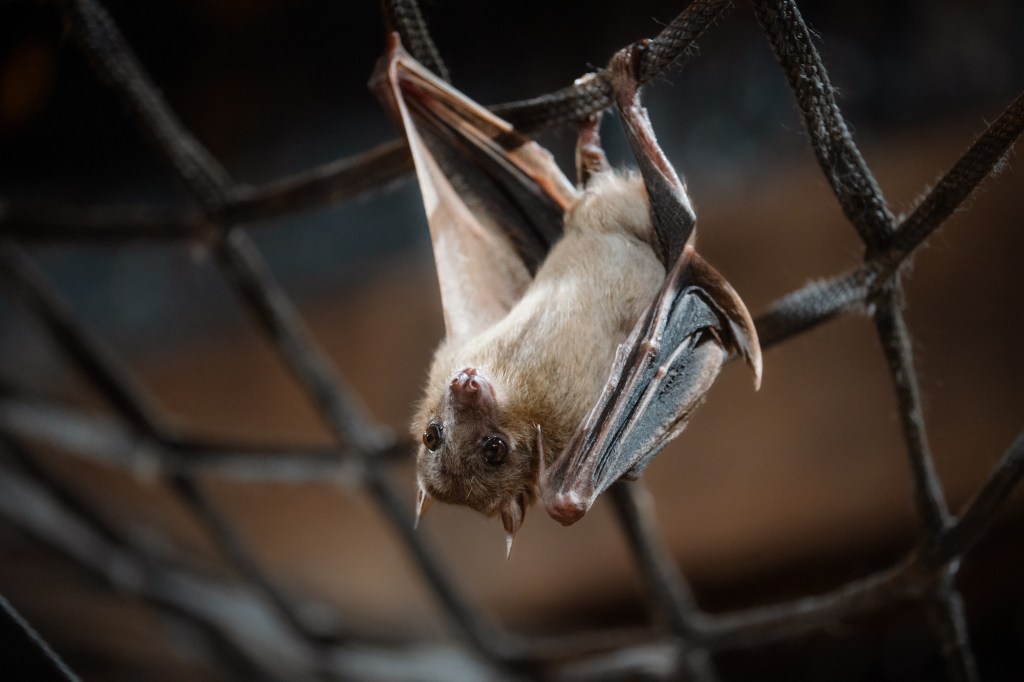
Longleat’s much-loved Bat Cave re-opens its doors at the Wiltshire estate on 15 February.
The arrival of the 42 Egyptian Fruit Bats has sent the fruit bill soaring as their keeper Nadia Rozkoszek explained: “We are feeding them a lot of fruit because their metabolism is so high.”
Weekly the bats are eating 98 apples, 84 bananas, 35 pears, 28 tomatoes, 14 honeydew melon, and seven mangos plus 47 carrots, four cucumbers, four sweet potatoes and six corn.
“As well as eating fruit, this species has long tongues so can drink nectar from plants and flowers. They are a vital part of our eco system as they are really good pollinators. They spread seeds so plants grow in new areas,” said Nadia.
“We are excited to be bringing them back and know many guests have missed them. The cave offers an incredible immersive experience as people can walk through the cave and see and hear the bats,” she added.
The Bat Cave has been upgraded, and the investment is part of the Park’s approach to ensuring conservation and education is central to its activities.
The Egyptian fruit bat is classified as near threatened.
The bats are joined by Chico and Truffles, a pair of two-toed sloths, while armadillos, called Tank and Isabela, have moved into the area vacated by the sloths.
The opening coincides with half term and the attraction staging Winter Wonders Week with a range of snow related activities and a trail taking in historic trees around the park.
Factfile
Egyptian fruit bat – Rousettus aegyptiacus
The native range of the Egyptian fruit bat is Africa and the Middle East, naturally occurring in both valley and mountainous areas where they find shelter in caves, rock crevices and date plantations. They were originally discovered in Egypt in 1810 roosting in the pyramids of Giza.
Across the world, bats are heavily persecuted due to fictional associations with evil, yet they play an important part in ecosystems pollinating avocados, bananas, breadfruit, dates, figs, mangos, and peaches.




 Entertainment Swindon
Leave a comment