
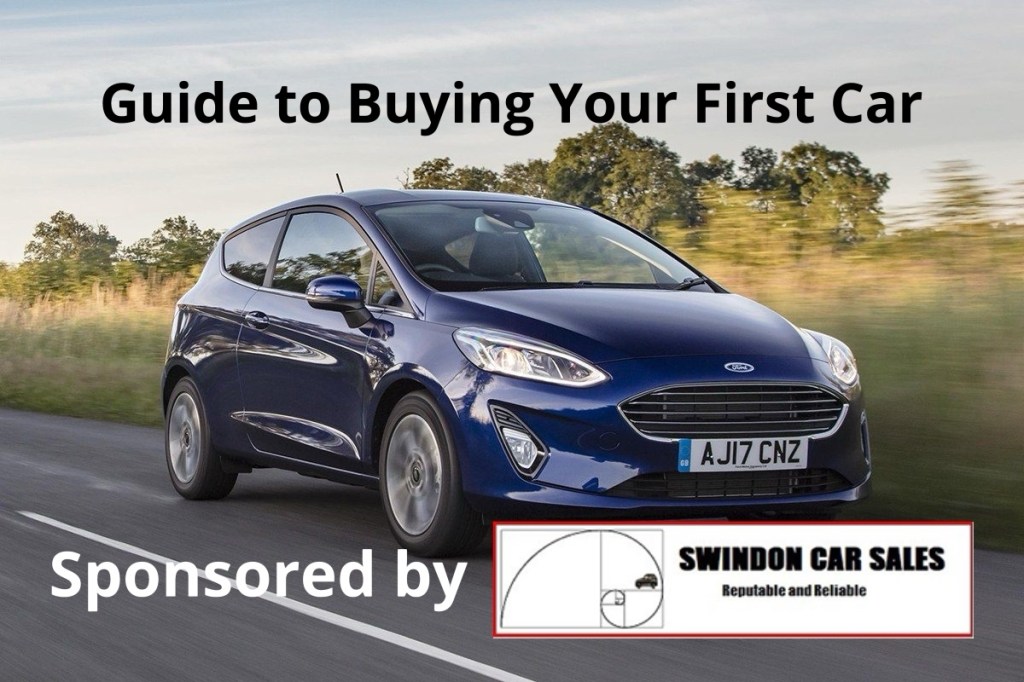
Entertainment Swindon have teamed up with Swindon Car Sales in Bramble Close, Swindon to give a rundown on the best cars for first time drivers in 2025.
Choosing your first car, after passing your test is a big moment in everyones life, a rite of passage into adulthood, freedom to explore. But for many of us, we don’t have a clue what to look for, the pitfalls, the unknown costs, understanding insurance categories and so much more.
So here at Entertainment Swindon, we decided to team up with Swindon Car Sales to help new drivers find their way around the minefield of purchasing their first car.
We all want something sporty and cool right! But first thing to think about is can you afford something sporty? Insurance to start with will be higher, then theres maintaining the car, from the size and type of tyre to engine parts that depending on the car and brand can very much increase the cost.
The first and most important thing to think about when choosing your first car, is how much it will cost to keep it on the road, the running costs.
Insurance:
Insurance is typically the biggest hurdle, as premiums can be big for new drivers regardless of age, but if you add a young driver into the mix, costs can shoot up. You usually want a small car with a small engine, which contributes to a car being in a lower insurance group. Such engines typically use less fuel, too.
With the help of the team at Swindon Car Sales, we have put together a list of cars that are great for the first time driver, we’ve put them through their paces, checked out running costs, insurance and of course the cost of the car itself.
All of these cars will be relatively cheap to run and insure, as well as being stand out cars in other areas. Some are impressively practical for the size, some are brilliant to drive and others are simply fantastic value for money, though all are some combination of the three.
We have put together two lists, first list ‘Used Cars‘ and secondly a list of ‘New Cars‘…
When looking for a used car, thats both affordable and reliable, look for a car between the age of 5-10years.
Top Cars For First Time Drivers (Used Cars):
- Ford Fiesta
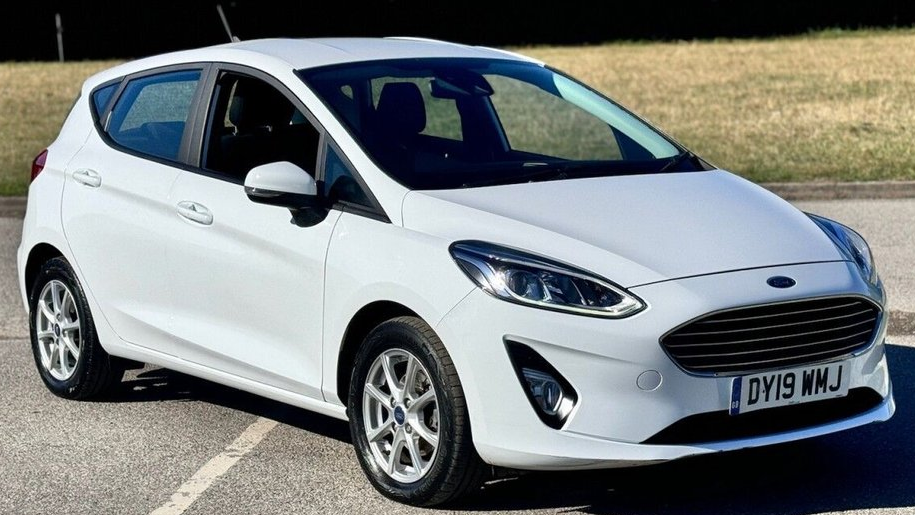
The Ford Fiesta has long been the sporty choice amongst entry-level hatchbacks. In its current guise the interior is much improved, and it remains great to drive. The base 75bhp 1.0-litre is a bit tepid though, so we’d opt for the perkier 100bhp EcoBoost models. Both versions are around £9,500 for a 2018 model, although it’s also worth checking the additional cost on your insurance premium.
Looking around you can pick up a 2016 Ford Fiesta 1.25 Zetec with less than 80,000miles on the clock for around £6000.
1. Hyundai i10
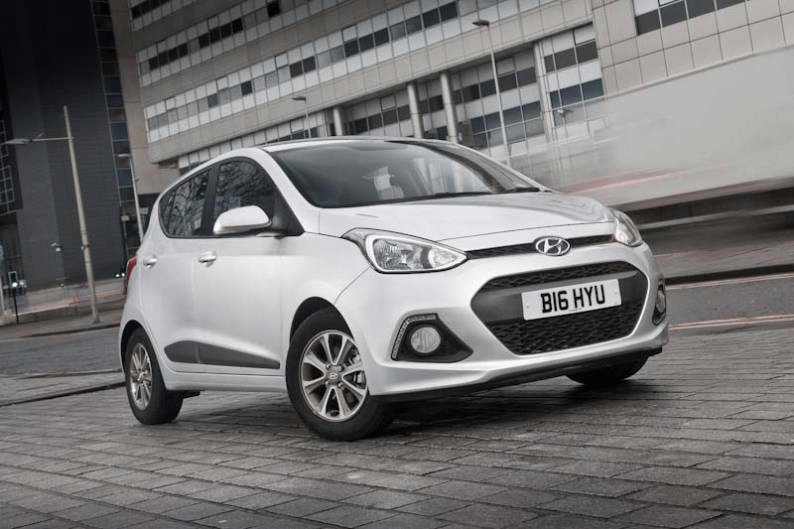
Hyundai’s i10 has always been one of this country’s very best selling citycars. With the original MK1 version, that was mainly down to affordable pricing. With this MK2 design though, this Korean contender aimed to claim its place in the nation’s affections on merit.
Sure enough, at launch in 2014, it was recognised not only as being very good value, but also as being spacious and versatile, these being the three priorities that buyers always prioritise in the market’s smallest segment, one of the very few in which you can expect the sales leader to also be the best car.
2. Volkswagon Polo

Cleverer, cleaner and classier, this improved fifth generation Typ 6R’ Volkswagen Polo supermini remains a quality used car choice. This revised model introduced in 2014 may look little different from the original MK5 design we first saw in 2009 but it featured important changes beneath the bonnet – and on the equipment list. Some fresh engines and a bit of extra hi-tech in the Golf-style cabin both aimed to please loyal buyers, while keeping this car class-competitive against more recent rivals. As a result, this model remained very viable as a carefully conservative choice in its class and will appeal on the used car market where it’s low key, but likeable.
3. Renault Clio
The Clio has always been a stylish compact hatchback with decent spec levels. In its latest guise it offers a high quality interior and plenty of safety kit. The boot is also bigger than most alternatives, and the base 90bhp petrol engine is frugal and nippy. Three-year-old models can be found from £12,000.

This fourth-generation car has since 2013 become a popular choice for small car buyers. The popularity of this car is mainly down to its bold exterior and interior styling, including the dashboard shaped like an aircrafts wing, as well as its competitive pricing and low running costs.
The Clio’s engine line-up includes Renault’s smooth 1.5-litre diesel and a turbocharged three-cylinder 0.9-litre petrol engine both with 88bhp. There are also 1.2-litre petrols either with a turbocharger (118bhp) or without (74bhp). If you’d prefer an automatic gearbox rather than the manual you’ll need to opt for either the 1.5 diesel or the turbocharged 1.2 petrol, and for speed demons there’s the hot Renault Sport version, with its 1.6-litre turbo.
4. Fiat 500
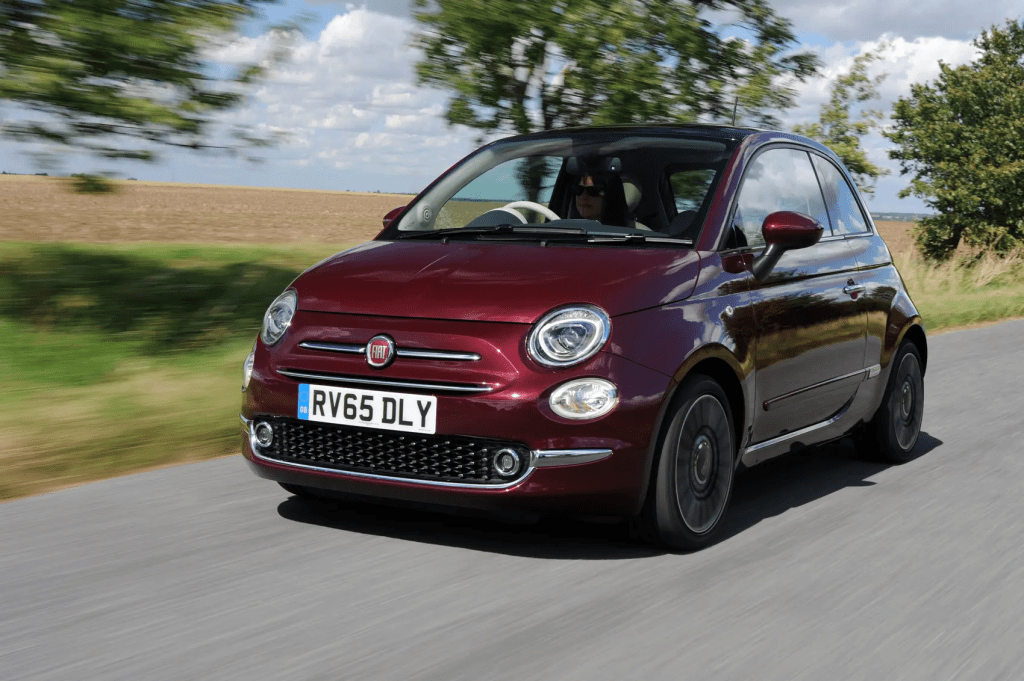
The Fiat 500 has been around for ages, yet its cutesy retro looks still turn heads. Prices are around £6,000 – £7,000 for an older 2015/2016 model. You don’t get tons of kit, but the base 1.2-litre engine is willing, and your road tax and insurance premiums should be affordable, too.
The Fiat 500 is a fun and stylish city car very much for the young driver, offering a fun and engaging driving experience, particularly in urban environments. The only drawback would be the small boot and rear seats.
5. Mini
MINIs are aspirational, upmarket vehicles. They aren’t the most practical or spacious, but few alternatives are as fun to drive or look as cool. Used models still offer these plus points, but at a far more palatable price tag. The 136bhp base engine offers a great mix of economy and performance with reasonable insurance premiums.
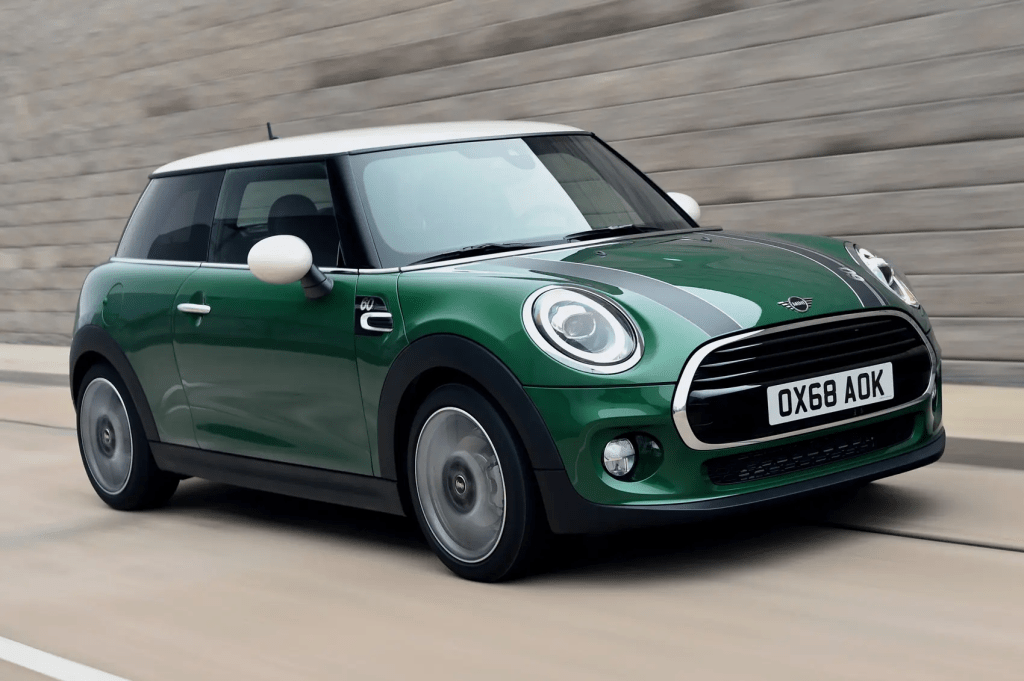
Third time round, BMW’s modern era MINI turned out to be a much more sophisticated thing. This three-door Hatch version is slightly more practical than its R56-series predecessor and feels considerably better built. It’s far more efficient too, with the bulk of the range using a punchier range of eager three cylinder engines. And its more sophisticated underpinnings are better suited to longer journeys. In short, this car came of age in third generation form. But does it make sense as a used buy?
6. Vauxhall Corsa
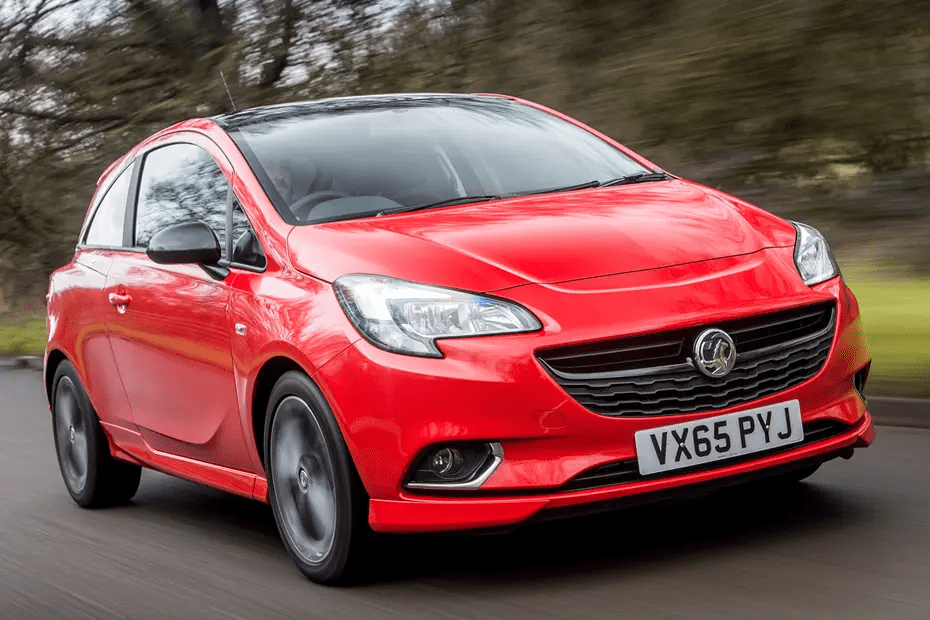
It may not be the coolest looking car on the block, but you can’t go wrong with a Vauxhall Corsa. It meets all the sensible reliability/value/running cost requirements, but is now also more fun to drive than before. You can find low-mileage 2020 entry-level SE models for under £12,000.
Easy to drive, well made and often well equipped, the Vauxhall Corsa is one of those cars that is omnipresent on the nation’s roads because it has something to offer the majority of drivers, and definitely not a car to be dismissed.
There was a large choice of engines available, the majority being petrol, but there were a couple of Euro 6-compliant 1.3-litre diesel versions (74 and 94bhp) if you needed better fuel economy. For those who made mostly urban journeys, both the 1.2 and non-turbocharged 1.4 petrols did just fine, but for faster routes, you might have wanted to go for one of three turbocharged petrol options: an 89bhp 1.0-litre, a 99bhp 1.4 or a more powerful 113bhp version of the 1.0-litre engine. There was also a lukewarm hot-hatch GSi with a turbocharged 148bhp 1.4 or, if you fancied something hotter, there was also a 202bhp 1.6-litre engine, as fitted to the VXR, so theres prett much a Corsa for everyone.
7. Skoda Fabia

The Skoda Fabia third-generation version is a previous What Car? Car of the Year winner. The Fabia has a strong and varied engine range, from the non-turbo 1.0-litre petrol unit putting out either 59bhp or 74bhp (depending on your chosen variant). You also have two turbocharged 1.0-litre petrol units of 94bhp and 109bhp, and a further two turbo petrols of 1.2-litres producing either 89bhp or 109bhp. There’s also a trio of 1.4-litre diesels in 74bhp, 89bhp and 103bhp flavours, each of which can return excellent fuel economy if you clock up lots of motorway miles.
Practicality and value remain the cars strongest selling points. It may no longer actively campaign as a budget buy, but Skoda’s Fabia has always been the thinking person’s value-focused supermini. With over 3.5million sold since its original launch at the turn of the century, it’s always aimed to give its customers more for their money – as does this third generation version.
8. Kia Picanto
Reliability, affordability and low running costs. The three traits most first time buyers value most in a car. Judged purely on that criteria, the Kia Picanto is a superb choice. It can be yours from just £8,000 for a base 1.0-litre 2018 model, and its impressive seven-year warranty is transferable.
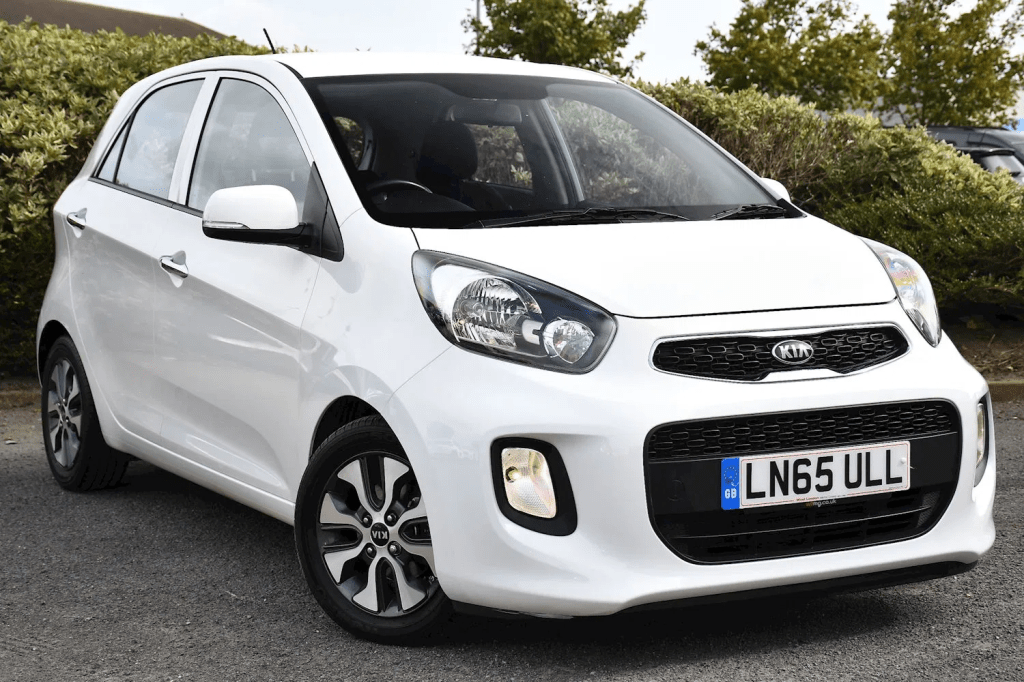
Kia bucked the trend with this one… There was the Fiesta and Ibiza super-mini category that you paid paid extra for, because they are slightly bigger, better finish, more comfort, and then there’s the smaller, cheaper citycar counterparts. So when the second generation Picanto came along with the perks you would normally find in a super-mini, it could compete with its bigger brothers with all the benefits of a citycar.
And yes, it’s quite at home attempting longer journeys. It’s the citycar, all grown-up.
9. Renault Zoe

Renault’s pure electric model, the clever little ZOE, first launched in 2012. This car that travels silently, frugally and stylishly, and yet one that is afford that’s practical enough for family use. Does it make sense as a used buy?
Well, in the early 2000s Renault bet on the battery-powered sector and made a €4billion investment in new models – to very little effect. There was the crazy Twizy city scoot, the boring mid-size Fluence Z.E. and also pricey Z.E. versions of the Kangoo and Master vans. Which all generated as much enthusiasm as doing the housework. That is except the ZOE, a stylish supermini launched in 2012.
High pricing and low driving range from the little 22kWh battery initially held the car back, but the French maker persevered, continually improving it as battery technology developed through a series of incremental updates. A more efficient R90 electric motor was introduced in 2015, a gutsier Z.E.40 battery arrived in 2016 and an even more powerful 80kW R110 electric motor arrived to drive it in 2018. Over all a practical economic little car thats worth looking at.
10. Fiat Panda
Fiat’s Panda aims at being all the car some buyers will ever need. It’s large where it matters, yet still small enough for its urban purpose. It’s more efficient – especially in its latest 1.0-litre mild hybrid form – yet can offer surprising reserves of performance.

Though sized and priced as a little citycar, it’s so versatile and class-less that it can really function as…. well, almost anything you want. Depending on the flavour you choose, it’s a car most suited to city living. It can be a hot hatch – or eco-conscious transport, it can be a second car for the family, or the sole car for the family. Less a citycar, more an ‘essential’ car, it is, in the words of one top Fiat executive ‘the official car for doing whatever the hell you like’. Oh, and its funky look has been popular with the young.
This is the Italian brand at its very best. A modern-era MK2 Panda design was launched back in 2003 to replace a first generation model that sold for over twenty years from 1980. The MK3 design was originally launched back in 2011, but in early 2020 was significantly updated with the option of 1.0-litre mild hybrid power. Functional, solid, intelligent and free spirited, it’s still, we’re told, a car that thinks outside the box.
11. Volkswagon Up
The VW Up manages to feel like a much larger car than it is thanks to a spacious interior (up front) and superb build quality. The 1.0-litre engine is perfect for first-time drivers, and will save you plenty in insurance premiums and road tax each year. Then when you’re ready, you can move err, up to the sporty Up! GTI.

It’s a proper Volkswagen, just a smaller one. Launched in 2012, the up! It’s the car that helped Volkswagon to regain the initiative in the important citycar sector and immediately set a high standard for contenders in this class. Frugal, fun, clever and competitively priced, it’s a key used car option for buyers, not only for those shopping in the market’s smallest segment but also for people buying a compact car of any kind.
Sponsored by Swindon Car Sales – Tel: 01793 293680

Address: Unit 7A Bramble Close Swindon, Wiltshire, SN2 8DW
Top Cars For First Time Drivers (New Cars):
1. Renault Clio – Best for: Budget style
The Renault Clio is our favourite small car because it looks great, has a high quality interior and a massive boot that means it’s still usefully practical despite its dimensions.

If you’re looking for the cheapest option there’s a petrol engine with a manual gearbox, which is great for people who have just passed and want to hone their self-shifting skills. However, if your budget can stretch to the hybrid version you get a smooth engine and automatic gearbox that will be great on fuel.
Inside, the interior is stylish enough and feels really well screwed together. You get Android Auto and Apple CarPlay connectivity as standard, as well as cruise control to make long journeys more relaxing.
One complaint, though, is rear seat space, which is really tight. Your mates will probably be fine for a short drive, but expect to rotate who’s riding shotgun up front on longer journeys if you want to avoid complaints.
The trade off for it being a squeeze in the back seats is that the boot is huge for a car of this size – at 391 litres you get more capacity than anything else in this list. It’s important to note, though, that if you go for the hybrid this falls to 301 litres to make space for the batteries, which drops it below most alternatives.
Both engines are really economical, with over 50mpg possible from the petrol engine if you’re taking it easy. It’s even better in the hybrid though, which should see over 60mpg in the real world. It’s the more powerful option, too, which means it’s easier to get up to speed on the motorway, while the automatic gearbox makes it more relaxing for inner-city traffic. The downside is that it’s more expensive to buy, so you need to figure out if the lower running costs offset the increased price, or if you’re willing (or able) to pay a bit more for the privilege.
2. MG3 – Best for: Low hybrid fuel costs
Let’s be frank: the old MG3 was a pretty terrible car. However, this new one is completely different and more than worthy of consideration as a first car, particularly thanks to its clever hybrid engine that means fuel costs should be super-cheap.

It’s a self-charging hybrid, so you don’t have to worry about plugging it in. However, it has a bigger battery than most hybrids and relies more on the electric motors, which not only means it’s really good on fuel, it also means inner-city driving is quiet and smooth. We saw just over 50mpg in our time with the car, and while you’re likely to get closer to 60mpg in a Toyota Yaris Cross, it’s still a mighty respectable figure.
Inside it does feel a bit cheap, but much like the Citroen e-C3, its design hides this well. The simple, minimalist design isn’t particularly interesting but it has an understated, classy feel. The downside to this minimalism is that most functions are controlled through the touchscreen, which is a bit clunky and tricky to use on the move.
The only real issue with this car is the high insurance group it falls into, which could make it too expensive for many young drivers. The low purchase price and fuel costs might offset this, so it’s worth getting a few quotes first.
3. Hyundai i10 – Best for: space for four
The Hyundai i10 is a genuinely good-looking small car that has genuine space for four people and incredibly low running costs.
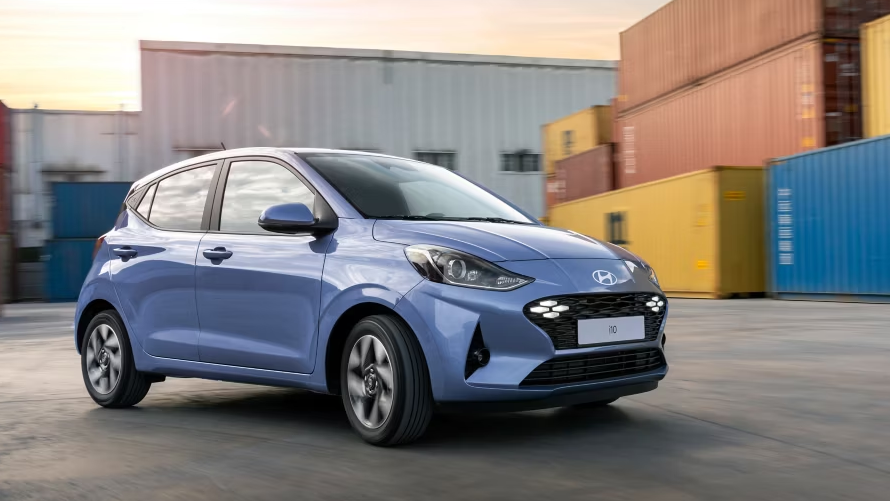
There’s a choice of three engines, and the 1.0-litre turbocharged option at the top of the range is the pick of the bunch. It’s a slightly higher insurance group but if your budget will stretch that far it’s a perky engine that’s perfectly suited to the i10’s city car credentials.
However, the two lower-powered options are really cheap to insure and are likely to be your best bet for a first car. The automatic transmission is in insurance group two, meaning it’s the lowest of the bunch, but it’s a terrible gearbox that should be avoided. However, if you go for the 63hp or 79hp engines with a manual gearbox, they range from group three to six, so they’re also about as affordable as car insurance can get and will be really good on fuel too.
It’s not a purely financial decision in favour of the Hyundai i10, either. The cabin is a bit basic but the infotainment system works well enough, and there’s enough space for four adults to travel in comfort. The boot’s a bit small at 252 litres, but it’s not miles off most alternatives.
City driving is where the Hyundai i10 feels most comfortable thanks to light steering and good visibility, while also being surprisingly good fun on a twisty road. If you regularly go on the motorway you might find the lower-powered engines a bit too weedy, though.
4. SEAT Ibiza – Best for: First car fun
The SEAT Ibiza has long been a great choice for first cars, because it has always had a youthful charm to its styling. While the likes of the Volkswagen Polo look safe and grown up, the latest Ibiza in particular has a fun, sporty look that’s perfect for young drivers.
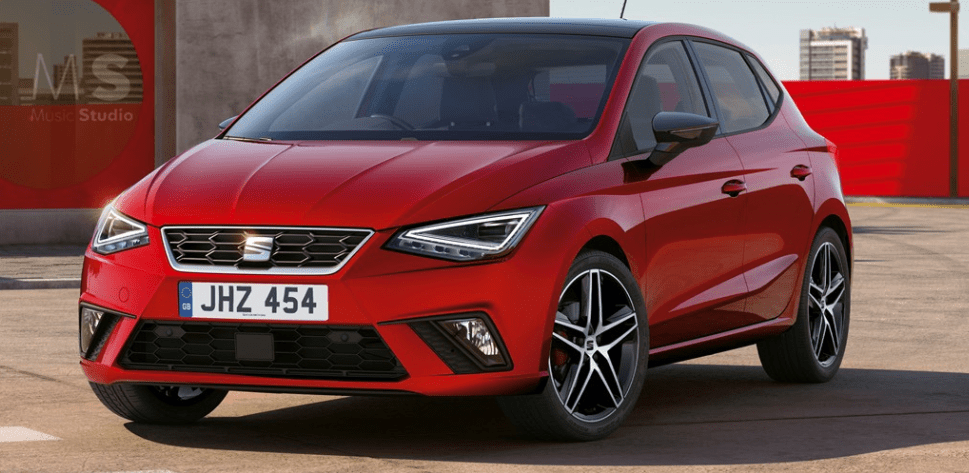
Perfect, because while it looks sporty, it still gets the small-capacity, low-powered engines that will keep parents, and perhaps even more important, insurance companies happy. While it shares much of its mechanical make-up with the Skoda Fabia, it doesn’t get the really insurance-friendly engine that car gets, but the 95hp option still won’t break the bank.
The cabin is starting to feel a bit old now, but there are some cool angles and splashes of colour that mean it’s still a perfectly pleasant place to be, and feels a bit more like a hot hatch than the plain cabins of alternatives.
Base models get an 8.3-inch touchscreen (which is better than the old car’s tiny screen that looked like it had been borrowed from an old mobile phone), but all other models get a slightly better 9.2-inch display with sat nav built in.
The lower-powered engine comes with a five-speed manual gearbox, which is fine around town and for having a bit of fun on a twisty road. However, it could be worth paying the extra for the 115hp engine if you do a lot of motorway miles, because you get a sixth gear for better economy and refinement at higher speeds. There’s an auto option too, but you’ll be paying more again up front for this.
5. Dacia Sandero – Best for: No frills affordability
The Dacia Sandero is the UK’s cheapest new car, historically because you didn’t get much more than four wheels and a steering wheel. It’s hardly gone posh, but these days the Sandero is a genuinely good-looking small car, with big-car space on the inside and a cabin that’s simple, functional, and no longer looks decades out of date. Yet it’s still an absolute bargain.

It’s a great option for a first car because there’s plenty of adjustment in the seat and steering wheel, so it’s easy to get into a comfortable driving position, while the big windows offer great visibility to make it easier to navigate about town.
Engine choices are simple, because you have a 1.0-litre engine with a manual gearbox, offered in petrol or LPG bi-fuel form, and that’s it. The former will suit most people more and you should see over 50mpg without trying. (The more rugged SUV-ish Sandero Stepway is available with an automatic gearbox on its top-spec trim if you’d prefer that.)
It’s really spacious inside, and two adults can sit comfortably in the rear seats, meaning it’s also one of the better small cars if you have a child seat. The boot is perfectly adequate at 328 litres, so you’re not really penalised on luggage capacity for those roomy rear seats, which is nice.
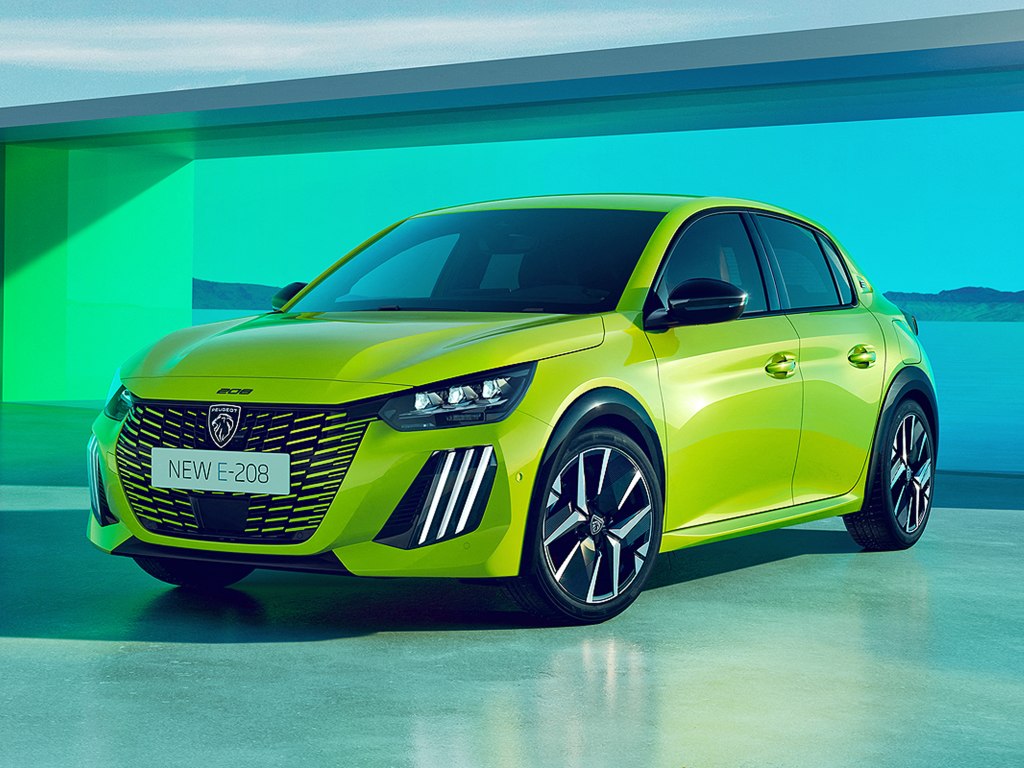
6. Peugeot 208 Best for: Posh on a budget
The Peugeot 208 proves that just because you’re looking for small, affordable cars, you don’t have to miss out on something with a bit of posh road presence.
Peugeot’s design team has been on a roll over the past few years and the company’s smallest car has not been overlooked. You get smart looks on the outside and a cool cabin with multiple layers, materials and angles that feels much more upmarket than most small cars. Material quality is impressive, too, so it’s not just for show.
The infotainment system isn’t the best but it does at least come with the usual Apple CarPlay and Android Auto smartphone mirroring, so you can use your favourite maps and music streaming services.
Those in the front are fine for space, but as is often the case in small cars, those in the back will be pretty cramped, though boot space is on the better side of average at least.
Comfortable and easy to drive around town, the Peugeot 208 also handles motorway speeds pretty well, even if you go for the lower-powered petrol model instead of the punchier hybrid. If you have somewhere to charge there’s also the electric E-208 to consider, but this sits in quite a high insurance group. And that’s the main downside to the 208 overall – whichever engine you go for, insurance groups are pretty high.
7. Volkswagon Polo – Best for: Big car refinement
If you want your small car to feel a bit like a big car, then the Volkswagen Polo should be top of your shopping list. It’s anything but exciting to drive, but it feels safe, secure and refined, and as a result few cars on this list are as quiet and comfortable to drive long distances on the motorway.
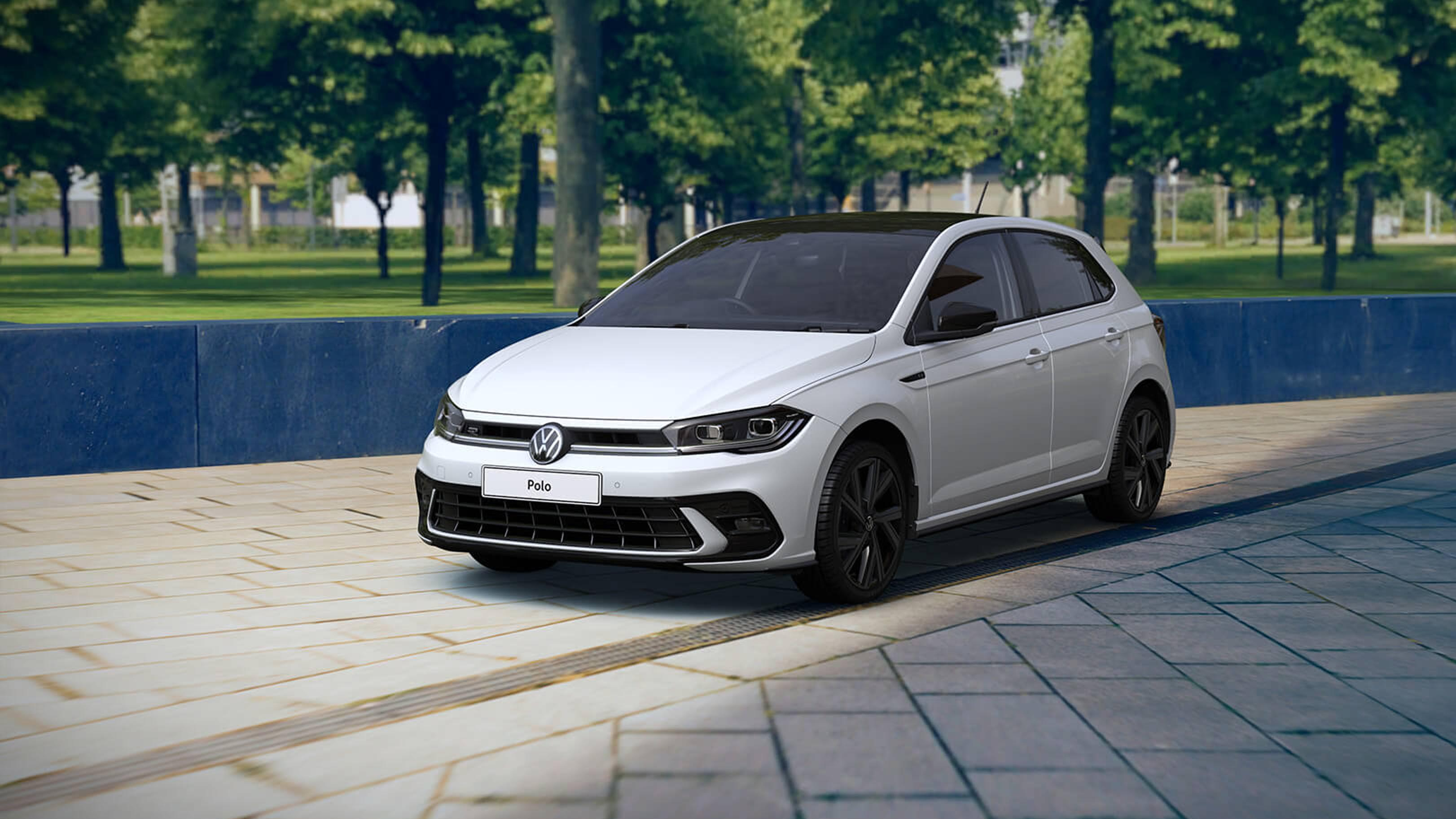
Its looks are understated, but that gives it a more sensible image than some of the more funky-looking cars in this list. Coupled with the badge appeal that comes with a Volkswagen, that might make it particularly appealing if you’re passing your test later in life and want something sensible for the office car park.
This continues inside because the interior looks great and is full of quality materials, and it’s almost as roomy as the larger Golf, which means your mates won’t complain in the back seats. The boot is on the more spacious side of average, too.
Despite its upmarket image, the Polo is available with the same 80hp petrol engine as the Skoda Fabia, which puts it in one of the lowest insurance groups. If you can afford to run one of the punchier engines they’ll be more pleasant to live with, but that lower-powered engine could make a huge difference to your insurance premium.
8. Citroen e-C3 – Best for: Affordable electric motoring
Electric cars are far too expensive for new drivers, right? Not necessarily, as the Citroen e-C3 proves. It’s a small electric SUV with a price to match some of the petrol-powered hatchbacks in this list – though there are some compromises as a result.
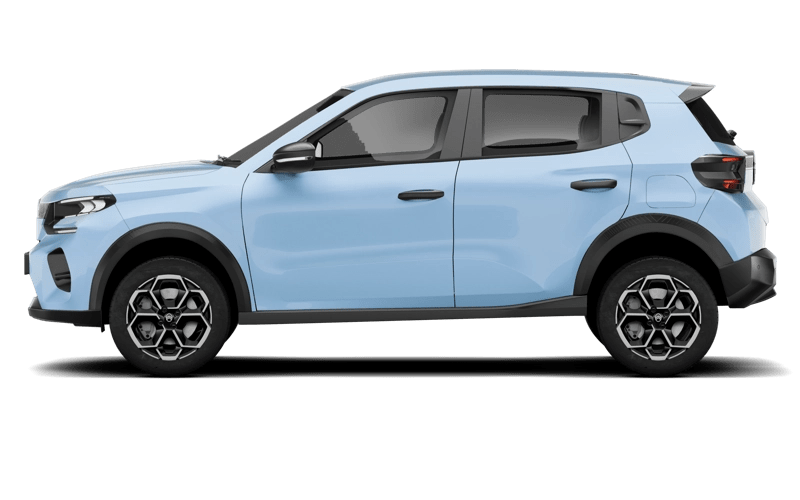
The main issue is range – officially it’s 199 miles to a charge and you’ll see a bit less in normal driving. And because it has no heat pump (which helps improve efficiency in winter, but would make the e-C3 more expensive) you’ll get much less than that in cold weather.
Charging speeds are reasonable at 100kW, if nothing to boast about. The small battery does mean that this will get you from 20-80% capacity in under half an hour, so if you do have to stop on the road it shouldn’t be for long.
Still, if you’re not regularly road tripping there’s a whole lot to love about this funky Citroen. For a start it looks great – it’s a baby SUV that looks like anything but a budget car thanks to sleek lines and slim LED headlights.
Inside you can find where corners have been cut if you go looking for cheaper materials, but thanks to a clever mix of materials it doesn’t feel bargain basement, rather deliberately characterful. Tech is perfectly adequate too, with a nicely sized infotainment screen that runs Android Auto and Apple CarPlay.
Interior space is pretty good too. The tall body means there’s plenty of headroom for all passengers, while those in the back shouldn’t have too many complaints about legroom. At 310 litres the boot is, again, reasonably sized. A BYD Dolphin is an electric alternative with a bit more space, but the Citroen’s boot is bigger than a Vauxhall Corsa Electric’s. You can fit a decent amount of stuff inside because of its deep shape.
9. Kia Picanto – Best for:
10. Toyota Aygo X




 Entertainment Swindon
Leave a comment