

At one time in our lives, all of us start as a new driver, just passed the driving test and let loose on the roads alone. Entertainment Swindon have partnered up with Swindon Car Sales to give advice to drivers, from purchasing your first car to understanding theres more to putting fuel in the tank and air in the tyres.
It’s perfectly natural to feel nervous behind the wheel as a new driver who has just passed their test. Driving is something that improves with experience, and experience breeds confidence.
We should all be constantly trying to improve our driving skills, so we’ve teamed up with the Swindon Car Sales team to give you our to 15 driving tips to help you become more confident on the road.
Entertainment Swindon Top 10 Driving Tips
Sponsored by Swindon Car Sales

1. Plan your journey
Plan every journey you take, even if it’s just down the road to the shops. When you’re a relatively new driver, you’re still building up your driving muscle memory, so you need to focus on every journey. Plan your route and any potential alternatives, consider the time of day and how much traffic is likely to be on the roads, and check the weather. It’s also a really good habit to get into when you start driving.
2. Familiarise yourself with the controls
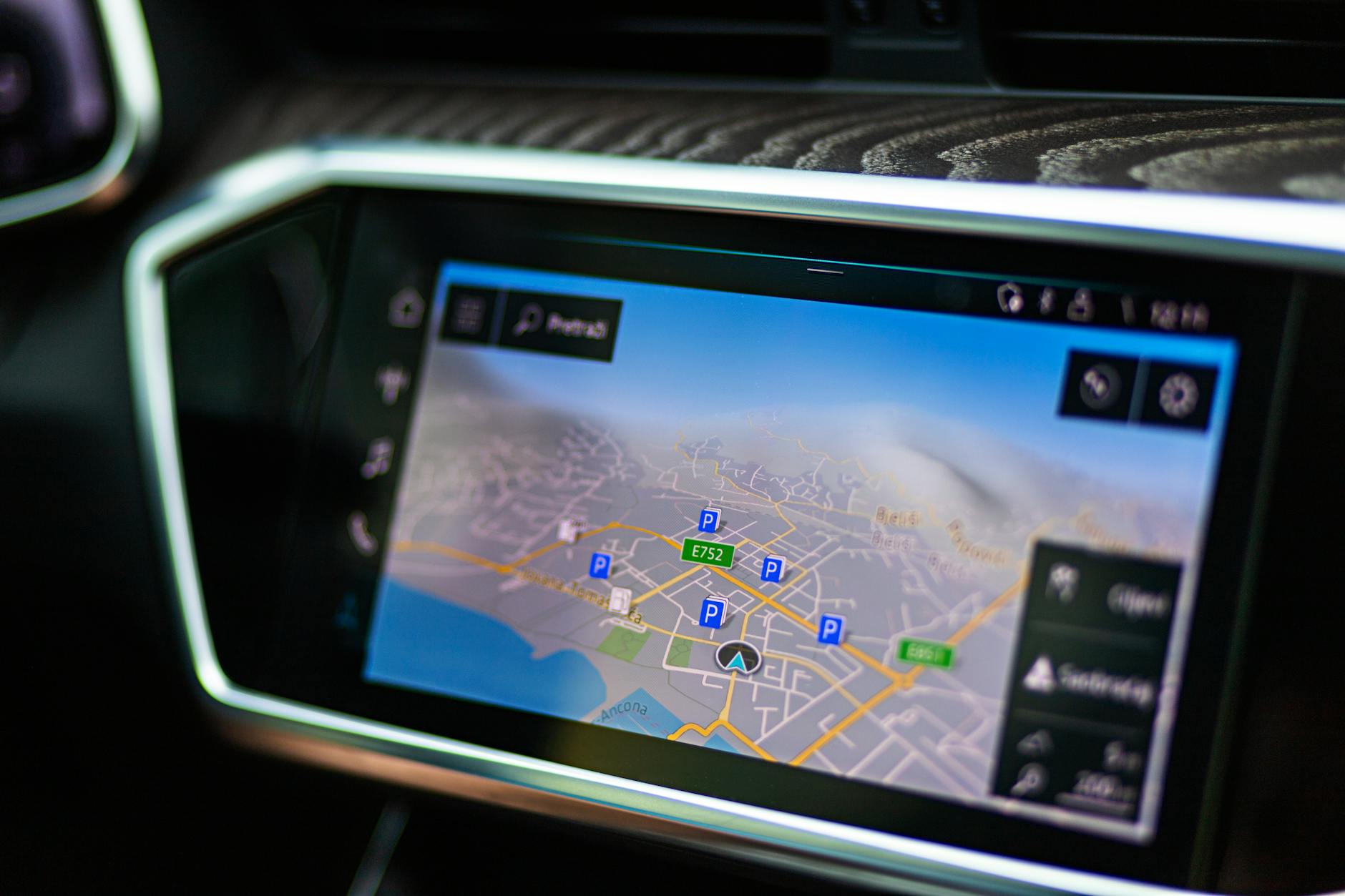
Spend some time learning about all the different switches, buttons and controls of your car. If you familiarise yourself with the controls, you’ll know where they are without having to look for them. It can give you vital extra reaction time if you suddenly need to use them.
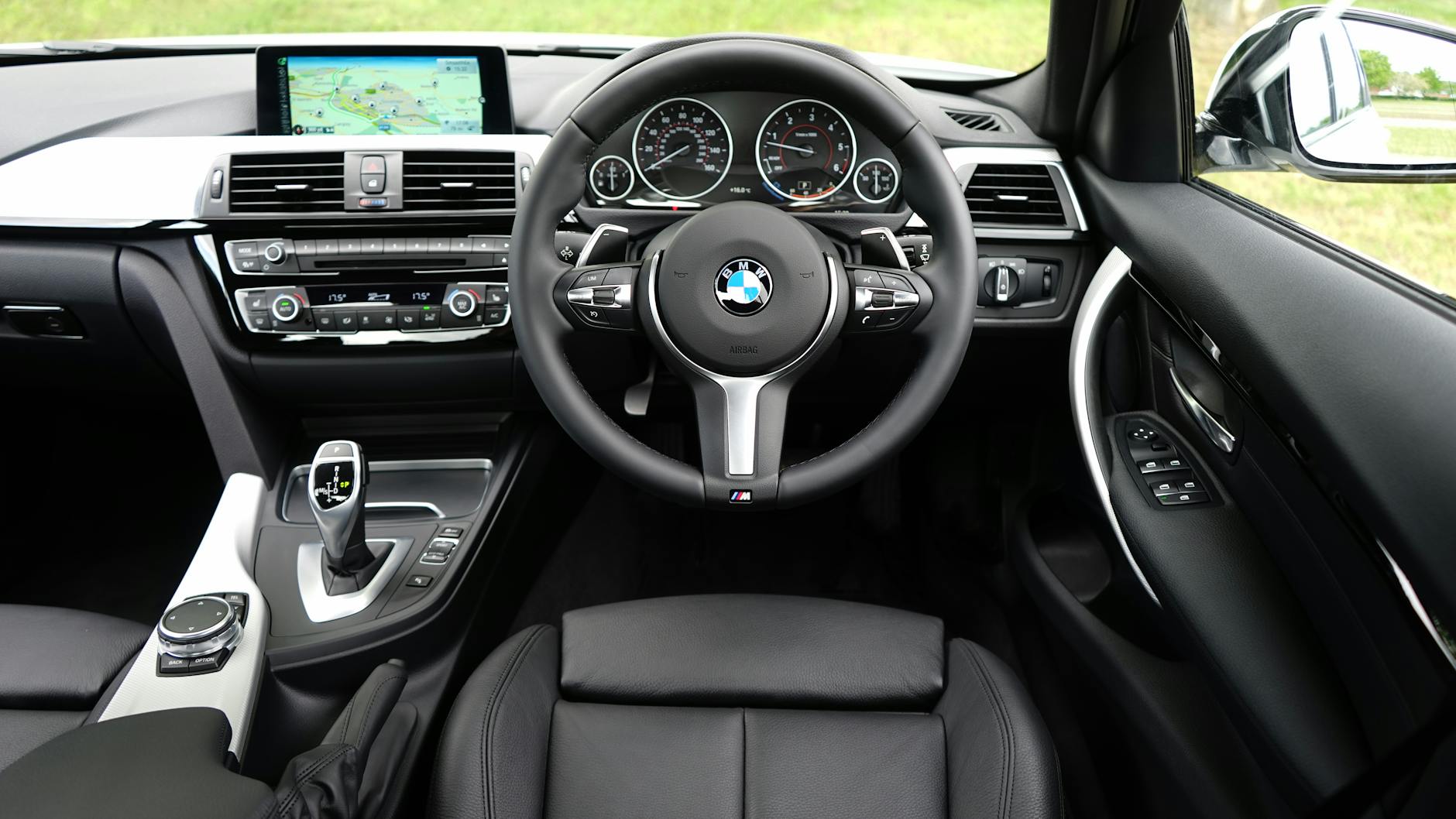
Get to know the controls for the headlights, fog lights and hazards are, for example. With so much screen-based onboard technology in modern cars, it’s worth getting a feel for the climate controls and any common infotainment functions, to minimise distractions while you’re driving.
3. Car admin – Checking your car
You don’t have to be a trained mechanic to undertake a few basic checks on your car, so it is roadworthy before a trip. Checking coolant, oil, water, tyre pressure etc.
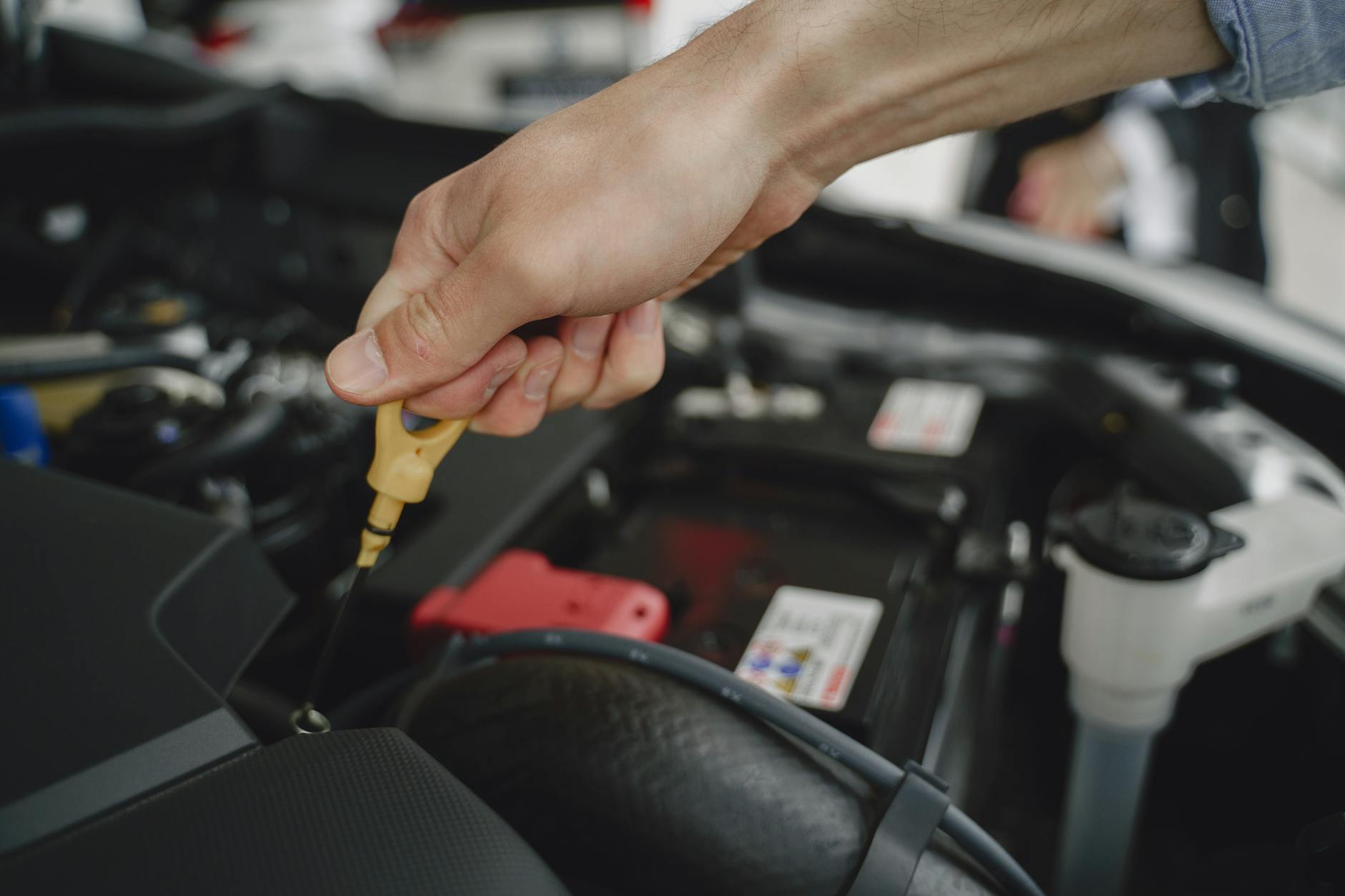
Check the coolant and lubricant levels: Top up coolant, this prevents overheating in the summer, freezing in the winter and corrosion in the engine – when the engine is cold, making sure that the level is between markers for the minimum and maximum levels.
Oil levels: Ensure your car is parked on level ground and your engine is cool. Open the bonnet and find the dipstick, pull it out, wipe off the oil with a cloth and look for two marks on the dipstick, showing the minimum and maximum oil levels. Put the dipstick back into the tube then remove it again. If the level is halfway between the minimum and maximum levels on the dipstick, it’s fine. If it’s below halfway, you may want to add some oil. If it’s below the minimum mark, you need to add oil. Replace the cap and the dipstick, and close the bonnet.
The brake, clutch and power steering fluids in your car also need to be monitored, so learn how to do these checks once a month, or before a long trip.
Of course, as we move to driving EVs, many of these checks will be unnecessary, but until then, ensure your car is running as well as it can.
4. Get Comfortable – Find the right driving position for you
Being comfortable behind the wheel is of crucial importance for your safety and wellbeing, so it’s important that you set yourself up properly in any car that you drive. Move the seat to comfortably touch and push the pedals, recline or raise the seat back to a comfortable position, adjust the steering wheel to a comfortable position, the steering wheel will move up and down and some also move back and forward.

Sit high up enough to see a good amount of your car’s bonnet too, but not so high that it feels like you’re stood over the pedals.
Once you’re happy with your seating position, remember to adjust all your mirrors to fit in with your seating position.
5. Minimise any distractions
Confidence behind the wheel requires you to stay focused, so take some time to minimise any potential distractions before you start driving.
Clear out anything you don’t need in your car that could cause distracting rattles, avoid hanging anything from your rearview mirror, regarding phone, as a new driver, it maybe better to either switch it off during driving and have it out of sight. If you have a car that is connectable to your phone, maybe best to leave this until you have confidence to drive and talk on phone using the cars hands free option.

Drivers who use a mobile phone while driving are four times more likely to crash, injuring or killing themselves and other people. The best advice is not to use a mobile phone at all while driving, especially if you’re a new driver. Never use a phone in your hand and – although it’s perfectly legal – avoid using a handsfree phone as much as possible, because it’s almost as distracting.
6. Observe and scan
One of the most important skills to develop as a driver is to notice what’s happening around you. A driver’s eyes should be moving nearly every two seconds, because studies show that where your eyes move is where your brain focuses its attention. Having a fixed stare, on the other hand, reduces brain activity. Constant eye movement while driving makes for more alert driving and better driver attention to hazards on the road.

Good driving observation is seeing and noticing all that’s going on around you while you’re driving: it’s one of the best ways to avoid collisions. While moving your eyes, move your head as little as possible, because you tend to drift in that direction and take your eyes and attention off what’s happening in front of you.
The number one cause of road accidents in the UK is both drivers and riders failing to look properly. You read that correctly; failing to look is responsible for more accidents than slippery roads, poor manoeuvres, and many other things that your driving instructor warned you about.
Use your mirrors every few seconds to alert you to any emergency vehicles coming up behind you, for example, or to your side mirrors to see any road users approaching you from either side. An occasional glance at your speedometer, fuel and temperature gauges is a good idea, too.
You should be constantly scanning the road ahead: how far will depend on how fast you’re driving. At 20mph, you should be looking around 30m ahead; at 30mph, you should be looking 45m ahead, and so on. However, be sure not to look so far ahead that you don’t see a hazard right in front of you.
Stay conscious of the kind of roads you’re driving on and the types of hazards that could present themselves: in towns and cities, your scanning will include looking for any children who could potentially run out into the street or someone opening the door of a parked car; on a motorway, you’ll be scanning on any lane-changing ahead or queues building up around junctions.
7. Take your time – Don’t speed!
Getting to your destination safely is more important than anything while driving. If you start trying to rush things behind the wheel, you’re more likely to make a mistake, panic and potentially put yourself at a greater risk.
Be patient both with other drivers and yourself. Give yourself as much time as possible when approaching junctions, then pull away gently and with plenty of room to do so. Make sure you’re ready for speed limit changes well in advance, rather than having to suddenly brake at the last minute.
And remember the two-second rule at all times. While driving, choose a fixed point ahead – a signpost, road marking, tree, etc – of the vehicle in front of you. When the vehicle passes that fixed point, start counting (using a consistent timing method, like thousand and one, or Mississippis). If you reach the fixed point before you count for two seconds, drop back until you are two seconds behind, which gives you more time to react to any sudden change to the traffic flow in front of you.
8. Get to know the roads you use most
If you’re regularly driving along the same roads, such as your commute to work, it’s a good idea to familiarise yourself with them.
Take some time when it’s quiet to drive up and down them, getting a feel for any potentially tricky roads or junctions. Uncertainty is often a cause for nerves, so knowing your local roads well can help minimise the pressure you feel when driving.
9. Take breaks if you’re driving long distances
If you’re taking a long drive, make sure you’re allowing yourself plenty of time for breaks. Holding your focus on the motorway for hours can be tiring, so it’s important to stretch your legs and refresh yourself now and then. The more you drive long distances, the more you build your concentration’s stamina, but you should always take a break every couple of hours, even if you’re an experienced long-distance driver.

10. Get used to driving at night and other conditions such as wet roads and heavy rain
As we mentioned above, it’s always good to take yourself out of your driving comfort zone, so it’s important that you get used to driving in all types of weather conditions and at all times of the day or night.

You might have to drive through morning and evening fog, so you’ll need to experience driving slower, with dipped headlights, looking out for all road users and potential collisions ahead.
At night, judging the speed of vehicles is more difficult, so you should increase the distance between you and the car in front of you. If you can’t see ahead, slow down to give yourself more time to react to a potential hazard. If you’re on a major A road or motorway, keep an eye out for reflective road signs and road studs that can help in the dark or poor light.
And then there’s rain. We’re used to the rain in Britain, but if you learn to drive in the summer, perhaps you haven’t encountered rain during a lesson. Or you might not have driven with lots of wet leaves on the road in autumn.
Either way, get used to the windscreen wiper and washer controls, so you instinctively know what to reach for when it (inevitably) starts to rain, and which settings to use to switch the intensity of the rain.
The more you drive, the more experience you have of different situations, so you’ll be more prepared when you encounter one of them.
Looking for an easy and reliable way to purchase your first car, exchange the car you currently own? Then check out the team at Swindon Car Sales, the team you can trust.




 Entertainment Swindon
Leave a comment