
Butterflies in Decline! And Swindon like towns across the UK can’t afford to lose its biodiversity corridors…
While this year has been a marked improvement on 2024’s record lows, experts warn butterflies remain in long-term decline and urgent action is still needed to restore populations.
Across the UK, over 125,000 people took part between 18th July and 10th August, recording 1.7million butterflies and moths. On average, 10.3 butterflies were seen per 15-minute survey. Up from 7.2 last year, but still only “average” compared to historic numbers.
This summer Cllr Leanne Stevenson & Jake Chandler took part to do their bit for The Big Butterfly Count’.
Cllr Stevenson said: “This year I joined the Count at Seven Fields Nature Reserve, Mouldon Hill Country Park, and my own allotment plot. Across these three spaces I recorded Gatekeepers, Speckled Wood, Common Blue and Large White butterflies weaving through the summer air.
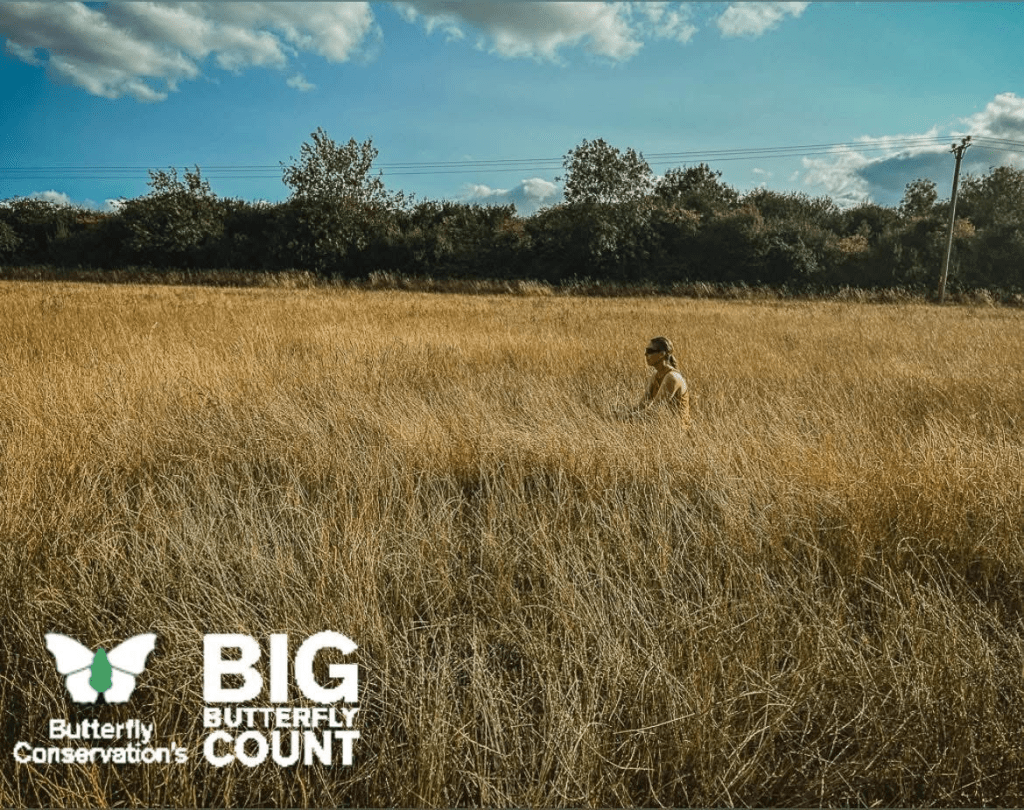
Together they highlight how Swindon’s public green spaces and community allotments are not only places for people but also vital habitats for pollinators and wildlife”.
Cllr Chandler also joined in, showing support, taking part in Tadpole Village Garden for his count. He highlighted how the reserve forms part of an ecological corridor linking Swindon to RAF Blakehill Farm.
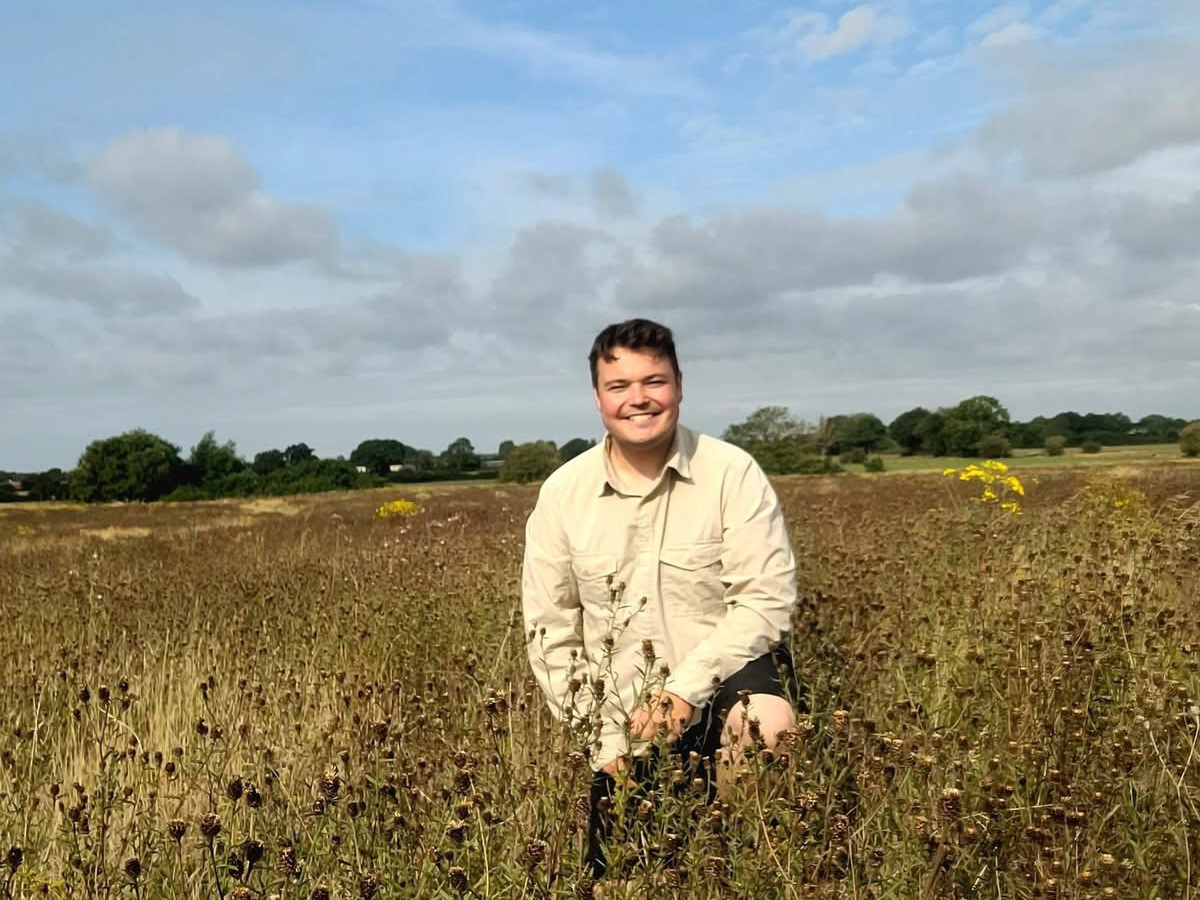
Cllr Chandler praised Butterfly Conservation’s work, noting that even if people don’t spot any butterflies, recording “zero counts” is still valuable data.
Why it matters for Swindon…
Butterflies are a key indicator of the health of our natural environment. Despite this summer’s sunshine, species like the Small Tortoiseshell, Holly Blue, Common Blue and Meadow Brown continue to decline – with the Small Tortoiseshell down 60% since 2011. By contrast, Large Whites, Small Whites and Jersey Tiger moths had a record year.
The Big Butterfly Count shows us that while progress is possible, there is still much more to do here in Swindon and nationally. Butterfly Conservation is calling for:
- Restoration of habitats, including meadows and hedgerows.
- Reduction in pesticide use, including removing harmful domestic products from sale.
Butterflies are critical to Swindon, to protect existing ‘biodiversity corridors’, these connect urban areas to rural areas and enable the migration of species, including butterflies.

Cllr Stevenson said: “Swindon Borough Council can and should prioritise development that protects existing green spaces, which is essential to ensuring habitat for butterflies and pollinating insects. Similarly through the adoption of neighbourhood plans for Parish Councils, and designated areas of non-coalescence for future planning application, we can significantly improve the legal protections for this habitat”.
Biodiversity corridors are currently protected in Swindon through the Local Plan, but with the latest edition of the Local Plan (2043) taking out references to them – these need guarantees in coming Local Plan.
We contacted the Labour Leadership of the Swindon Council to ask why there is no reference to this in the Local Plan (2043) and received no reply.
The Big Butterfly Count will return 17th July – 9th August 2026. Until then, small steps like planting nectar-rich flowers, leaving wild patches and recording sightings can all make a difference.




 Entertainment Swindon
Leave a comment