

Swindon has always been a hub for great live music, with some of the best live music venues in the South West in our opinion, so we thought we would take a look at Swindon’s Hall of Fame of Bands & Solo Artists’.
Swindon has produced bands from pretty much every genre of music, from rock to pop and jazz to hip-hop.
XTC: Formed in the late 1970’s in Swindon, this band is one of the most influential and inventive bands to come from the town. The band came together in 1972, originally named Star Park in 1972, before changing their name to The Helium Kidz in 1974 to 1975. Partridge & Moulding first met in the early 1970’s, forming a glam outfit with drummer Terry Chambers. The bands name and lineup changed frequently until 1975 when they became known as XTC and released their debut album in 1977 on Virgin Records.
The band was known for their energetic live performances and their refusal to play conventional punk rock, instead synthesising influences from Ska, 1960s pop, dub music and avant-garde. It was their 1979 single ‘Making Plans for Nigel’ that marked their commercial breakthrough and heralded the reverberating drum sound associated with the 1980s.
The group seamlessly blended new wave and post-punk with psychedelic pop, incorporating Swindon’s diverse musical influences into a captivating and innovative sound that set them apart on the global stage.
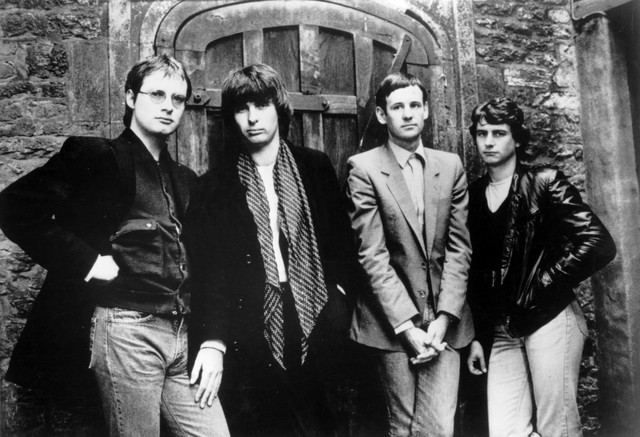
Led by the creative forces of Andy Partridge and Colin Moulding, XTC pioneered experimentation in their songwriting and arrangements, ultimately inspiring a generation of musicians and expanding Swindon’s local music scene. Despite relative commercial obscurity, the band boasts a devoted fan base, further solidifying their reputation as a quintessential Swindon band.
Albums: Skylarking, Apple Venus Volume 1, Drums and Wires, English Settlement, Oranges & Lemons.
Andy Partridge: As one half of the ingenious songwriting duo behind XTC, Swindon-born Andy Partridge remains a key figure in shaping the town’s idiosyncratic musical landscape, and sometimes regarded as the Godfather of Britpop. His offbeat, witty, and challenging compositions bear the imprint of Swindon’s vibrant and eclectic music culture, while his ability to skilfully blend genres has established him as a talented and innovative musician. Partridge, a passionate advocate for the local music scene, has also played a vital role in fostering and developing Swindon’s unique musical identity. His enduring influence on the town’s artistic map, as well as his contributions to contemporary music at large, cements his status as a true Swindon legend.
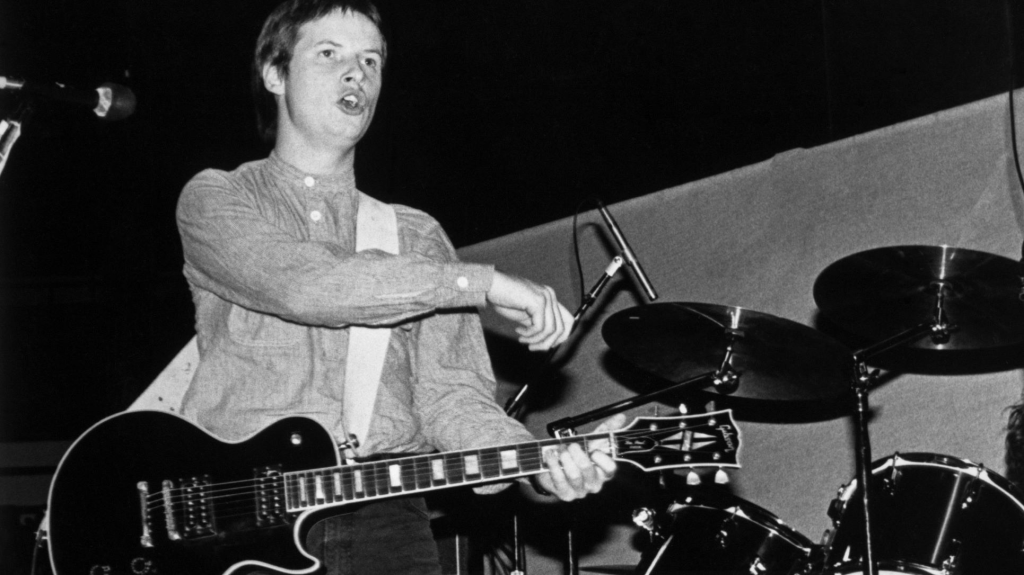
Born 11th November 1953 at Mtarfa Royal Navy Hospital in Malta, Andrew John Partridge. His parents were John Partridge, a signalman in the Navy and Vera, a shop assistant. Partridge grew up on Penhill Council Estate in Swindon, as a teenager, Partridge was a fan of contemporary pop groups like the Beatles, but was intimidated by the process of learning guitar.
When the Monkees grew popular, he became interested in joining a music group. He recalled watching local guitarist Dave Gregory performing Jimi Hendrix-style songs at churches and youth clubs: “Sort of acid-skiffle. I thought, ‘Ah, one day I’ll play guitar!’ But I didn’t think I would be in the same band as this kid on the stage.”
Partridge was particularly fond of psychedelic records such as Pink Floyd’s ‘See Emily Play’ and Tomorrow’s ‘My White Bicycle’. The first records he ever bought were the Beatles Sgt. Pepper’s Lonely Hearts Club Band and the Monkees 1966 self-titled debut album.
At the age of 15, he wrote his first song, titled ‘Please Help Me’, and while in Swindon College attracted the nickname ‘Rocky’ for his early guitar mastery of the Beatles ‘Rocky Raccoon’. Partridge eventually dropped out of school and formed the first of several ‘loud and horrid’ rock bands with the purpose of meeting girls.
By the early 1970s, his music tastes transitioned from the Monkees to having a big binge on this Euro-avant-garde stuff.
Since the 1980s, Partridge has worked, written with, or produced many other musicians and bands, including Peter Blegvad, the Lilac Time, the Nines, Miles Kane, Voice of the Beehive, the Woodentops, the Wallflowers, Perennial Divide, the Raiders, and Charlotte Hatherley, and in 1992, Partridge produced unreleased recordings for Blur’s album Modern Life Is Rubbish. Three of the tracks he produced were later released on the 2012 box set Blur 21.
In 1993, Partridge recorded and produced an album with Martin Newell, ‘The Greatest Living Englishman’. The album was well received by critics and ultimately became the most acclaimed of Newell’s career.
Partridge also wrote four songs for Disney’s version of James and the Giant Peach (1996), but was replaced by Randy Newman due to creative differences between director Henry Selick and Disney regarding the choice of soundtrack composer and the fact that Disney wanted to own the copyright to the songs for perpetuity.

After the 1990s, Partridge took on less and less work as a music producer. In 2007, he stated in an interview: “I got asked regularly to produce people, but I said no to everybody; after a while, people just stopped asking. I got sick of the social-worker aspect of it. I found it had very little to do with music… I also think it’s kind of odd that everyone wants to sound like 1979 again”.
Albums: Gonwards, Orpheus: The Lowdown, Take Away/The Lure of Salvage, Fuzzy Warbles: The Demo Archives, Volume 4
Gilbert O’Sullivan: Hailing from Swindon, Gilbert O’Sullivan carved out a unique place for himself in the popular music landscape with his unmistakable blend of sentimental ballads and infectious pop tunes. O’Sullivan’s seemingly effortless ability to capture the essence of Swindon’s rich musical heritage – from folk and rock influences to Tin Pan Alley – has endeared him to audiences worldwide.
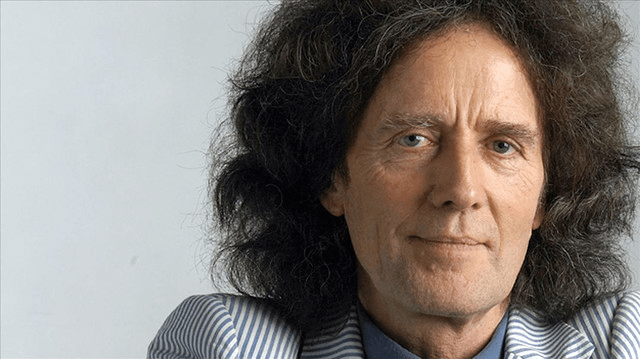
His poignant lyrics and memorable melodies continue to resonate with generations of listeners, consolidating his status as one of Swindon’s most beloved artists. Furthermore, his enduring presence on both the local and international stage has greatly contributed to expanding Swindon’s cultural reach.
Born Raymond Edward O’Sullivan on 1st December 1946 in Waterford, Ireland, O’Sullivan moved to Swindon with his family via London when he was 8. O’Sullivan came from a working class background, his parents were his mother May who ran a Sweet Shop and his father was a butcher for Clover Meats.
O’Sullivan attended St Joseph’s Catholic College before studying at Swindon College where he specialised in graphic design and also played with several semi-professional bands. These included the Doodles and the Prefects. He was mostly a drummer in a band called Rick’s Blues, along with Malcolm Mabbett (guitar), Keith Ray (bass) and founder Rick Davies. Davies, who later founded Supertramp, taught O’Sullivan how to play both drums and piano. He started writing songs, heavily influenced by the Beatles, as writers, and Bob Dylan, as a performer.
In 1967, O’Sullivan moved to London to pursue his music career, determined to get a record deal. He created a stand out eye-catching look with a bowl cut, cloth cap and short trousers. After gaining a five year contract with April Music, CBS Records house publishing company, after coming to the attention of professional manager Stephen Shane who suggested changing O’Sullivan’s name to Gilbert as a play on the name of the light opera of Gilbert & Sullivan. He was paid an advance of £12, with which he bought a piano.
His first single was ‘Disappear’, produced by A&R manager Mike Smith, who produced the Tremeloes, the Marmalade and the Love Affair.
It wasn’t until O’Sullivan sent demo tapes to Gordon Mills, the manager of Tom Jones and Engelbert Humperdinck, whereupon O’Sullivan was signed to Mills’ newly founded label, MAM Records. Mills did not agree with O’Sullivan’s self-created image, but O’Sullivan initially insisted on using it. O’Sullivan’s signature look garnered much attention and often saw him compared to the Bisto Kids.
O’Sullivan explained his thinking behind his appearance in a 1971 interview: “My mother probably doesn’t like Neil Young because she hates the way he looks, his hair and everything. If you can get them interested in the way you look then they tend to like the music. The thing which I’m trying to create is of the thirties; Keaton and Chaplin.”
At the end of 1970, O’Sullivan achieved his first UK top 10 hit with ‘Nothing Rhymed’, which also reached number one in the Netherlands, where it earned O’Sullivan his first gold disc. Over 1971, O’Sullivan scored hits with ‘Underneath The Blanket Go’ (which also reached number one in the Netherlands), ‘We Will’ and ‘No Matter How I Try’, the latter being named Best Ballad or Romantic Song’ at the 17th Ivor Novello Awards in 1972. O’Sullivan released his debut album, Himself, in August 1971.
It received a warm critical reception, with O’Sullivan’s observational and conversational style of songwriting garnering comparisons to Paul McCartney and Randy Newman. O’Sullivan opted not to tour in promotion of the album, but did however make a number of appearances on British television during 1971, most notably recording an edition of BBC In Concert broadcast on 18 December 1971.
In January 2011, O’Sullivan released his album Gilbertville which featured ‘All They Wanted to Say’, which dealt with the 2001 World Trade Centre attack, and in 2012 he released his compilation album Gilbert O’Sullivan: The Very Best of A Singer & His Songs which entered the UK Album Charts at No12.
In June O’Sullivan toured Ireland as well as releasing his album Latin à la G! on 8th June. On 24th August 2018, O’Sullivan released his 19th studio album, Gilbert O’Sullivan. The album entered the UK Albums Chart at No20, his first UK charting studio album in over 40 years.
On 22 July 2022, O’Sullivan released his 20th studio album, Driven, produced by Andy Wright. The album peaked in the UK Albums Chart at No26.
In December 2023, councillors of Waterford City and County Council agreed to award O’Sullivan the Freedom of the City & County. He received the honour in person on 27th March 2024.
Albums: Alone Again (Naturally), Back to Front, The Other Side of Gilbert O’Sullivan, By Larry, Greatest Hits
Colin Moulding: Born in Swindon on 17th August 1955, Colin Ivor Moulding, best known as one of the founding members of XTC to parents, father Charlie, who worked for British Rail and his mother Vera, who worked part-time as a laundry woman.
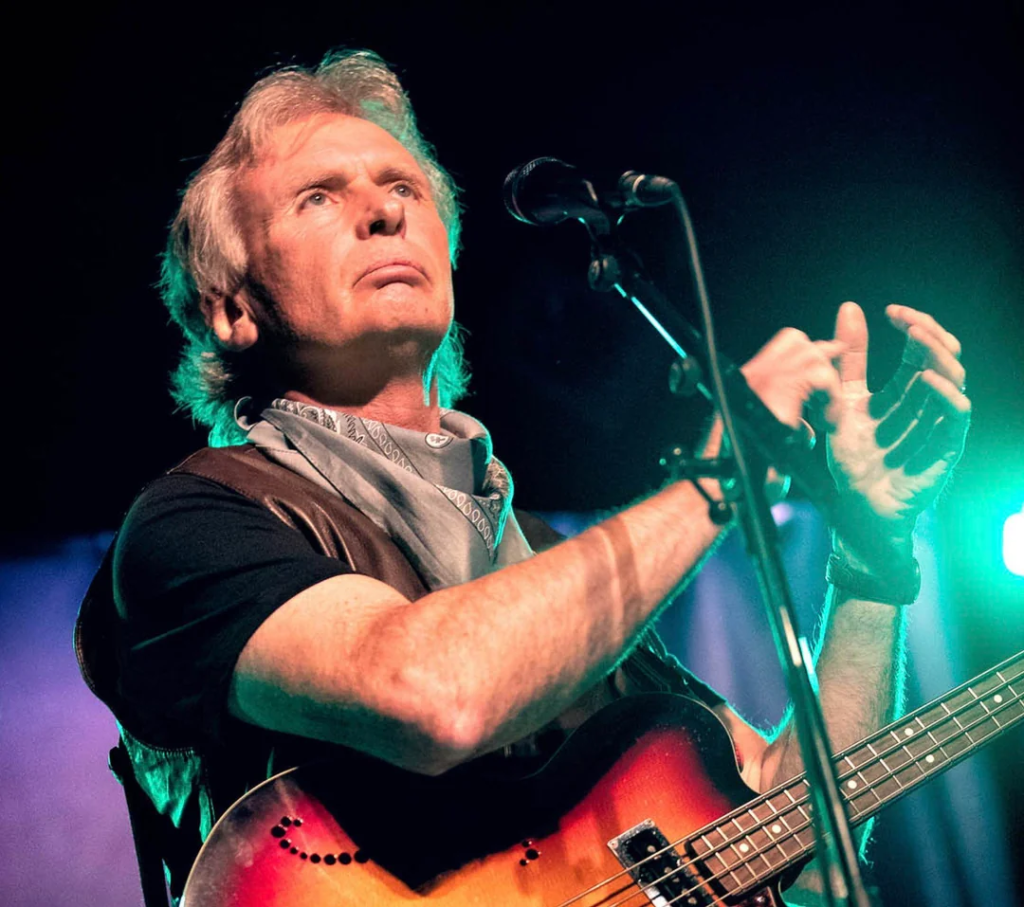
In 1970, Moulding heard All Right Now by the band Free, who became his favourite band and spurred him to take up the bass guitar. In his teens, Moulding had pretty high hopes of doing something academic, but once he discovered music it all went out the window, he started growing his hair and got totally engrossed in the scene, leading to him getting expelled expelled from school due to his hair.
In 1972, he acquired a mustard-coloured Fender Jazz bass and met local drummer Terry Chambers, and the two would eventually form a short-lived band that played cover songs. In 1972 Moulding, along with Chambers began jamming with another local musician Andy Partridge, and soon joined his band Star Park, which in 1975 became XTC.
Outside of XTC, Moulding released a solo single in 1980 under the pseudonym ‘The Colonel’. The project came about after Moulding was dissatisfied that he hadn’t been able to make a bigger contribution to Black Sea, due to time constraints.
Moulding would later say that he was peeved at being hurried and that he wanted to do something fun with a different band and girl backing singers. Since Moulding had penned several of XTC’s hits, Virgin Records supported the solo project, but the single ultimately failed to chart.
In 1986, David Gilmour approached Moulding over becoming Pink Floyd’s new bass player following Roger Waters’ departure. He turned it down, as XTC were in the midst of recording Skylarking.
He later played bass and co-produced one track on the 1994 Sam Phillips album Martinis and Bikinis. In 1995, Moulding contributed bass to several tracks of French band L’Affaire Louis’ Trio’s album L’Homme aux mille vies. In 2005, he contributed to Billy Sherwood‘s Pink Floyd tribute album Return to the Dark Side of the Moon, performing ‘Brain Damage‘ with Robby Krieger and Geoff Downes.
In November 2008, Moulding emerged for an interview about “Making Plans For Nigel” for an instalment in the series of interviews by Todd Bernhardt. He gave a two-hour interview in December on the Todd Rundgren fansite, Rundgren Radio.
Moulding made vocal contributions to a Billy Sherwood progressive rock album (The Prog Collective, August 2012), combining with Rick Wakeman on “Check Point Karma”. In 2012, he appeared on Sherwood’s album Songs of the Century: An All-Star Tribute to Supertramp.
He performed a lead vocal for the song The Man Who Died Two Times from the album In Extremis by the progressive rock band Days Between Stations (released 15th May 2013) and appears in the video for the song, released in June 2014.
In 2016, Moulding played bass on High Noon, a track on Anton Bareau’s release Magic Act. In 2017, Moulding and Chambers recorded an EP titled Great Aspirations that was credited to TC&I which was released on 20th October 2017.
Richard Davies: Born in Swindon on 22nd July 1944, Davies, musician, singer and songwriter best known as founder, vocalist and keyboardist of the rock band Supertramp. Davies was its only constant member, and composed some of the band’s best-known songs, including Rudy, Bloody Well Right, Crime of the Century, Ain’t Nobody But Me, From Now On, Gone Hollywood, Goodbye Stranger, Just Another Nervous Wreck, My Kind of Lady, Cannonball and I’m Beggin’ You. He is generally noted for his rhythmic blues piano solos and jazz-tinged progressive rock compositions and cynical lyrics.
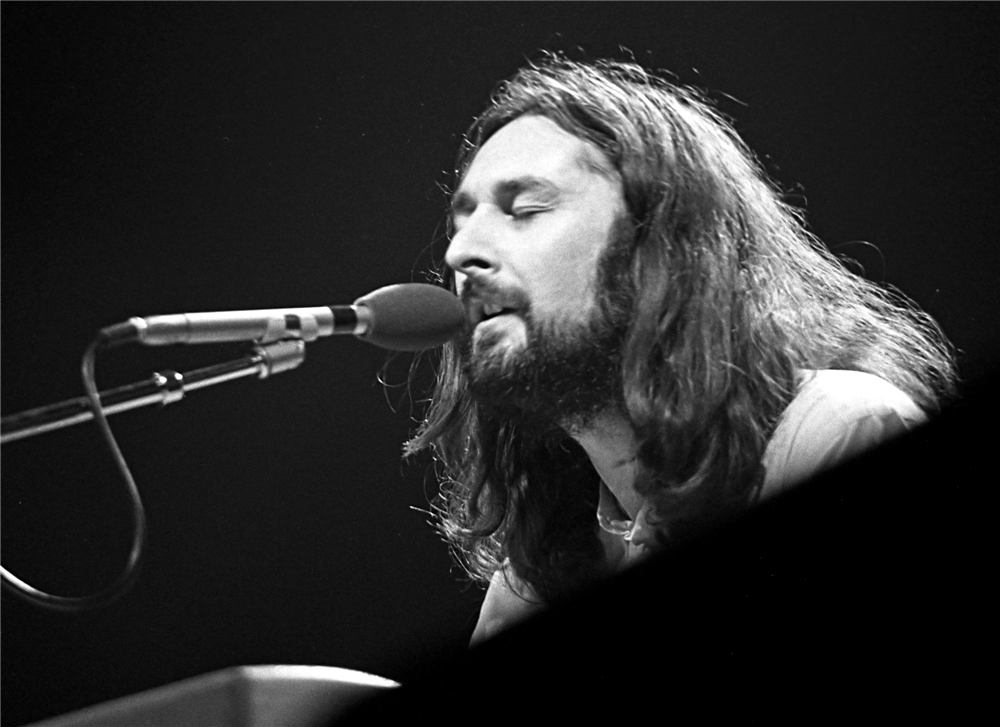
Starting with the self-titled Supertramp in 1970, Davies shared lead vocals with Supertramp songwriting partner Roger Hodgson until the latter’s departure in 1983, at which point he became the sole lead vocalist of the group.
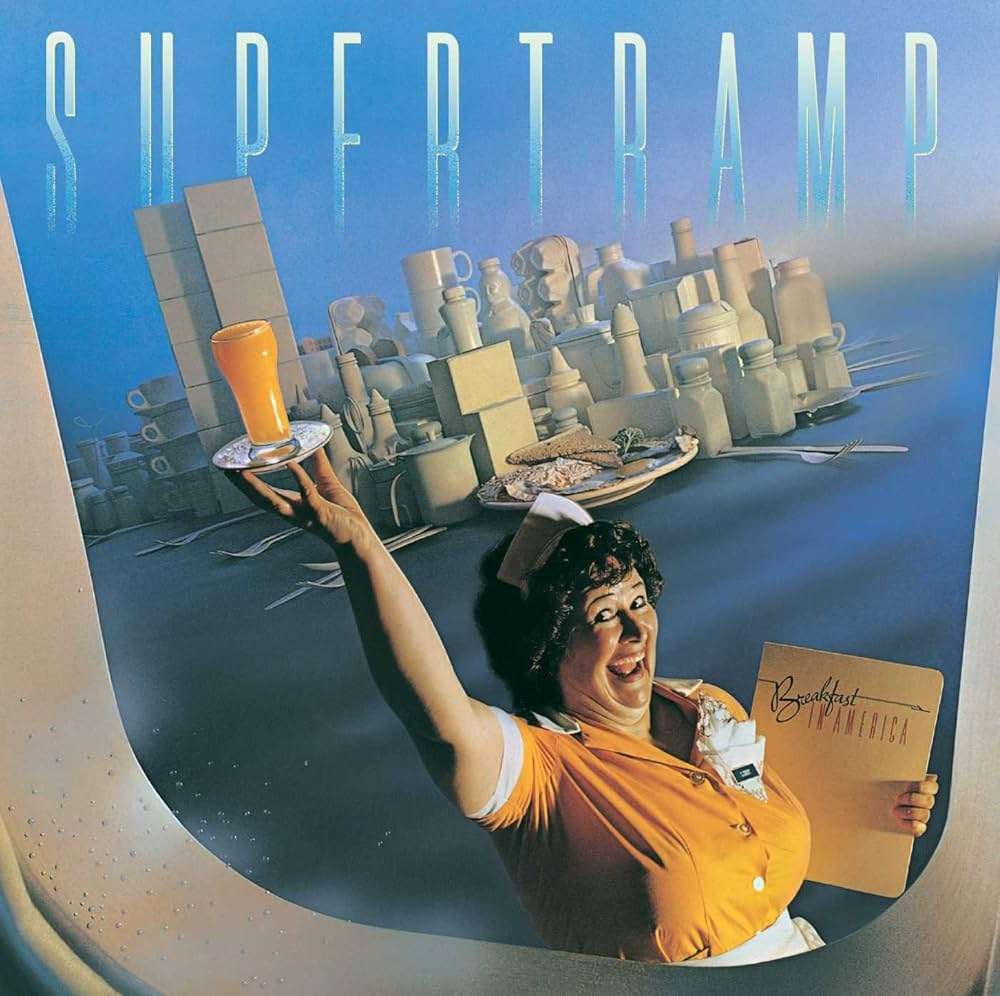
In 1977, the group relocated to the United States, and it was there that they recorded their best-selling album, Breakfast in America from April 1978 to February 1979. With more hit singles than their first five albums combined, the album reached No3 in the UK, and top of the charts in America.
Davies married Supertramp’s manager since 1984, Sue in 1977. In 2008, Davies travelled from his Long Island, New York home every Christmas to visit his mother who lived in Stratton St Margaret until his final trip in 2009 to organise a memorial service for her.
Currently, Davies owns Rick Davies Productions, which is the copyright holder to Supertramp’s recordings. In 2015 was diagnosed with Multiple Myeloma and cancelled the bands 2015 tour.
Eternal Lord: This Swindon band stands as a powerful testament to the town’s capacity for nurturing diverse and boundary-pushing music. Drawing from Swindon’s eclectic musical scene, Eternal Lord masterfully fuses elements of deathcore, metal, and hardcore punk, showcasing the town’s affinity for genre-blending experimentation. Their unrelenting energy and aggressive sound breathe new life into the local music scene, signalling Swindon’s continued commitment to fostering innovative and trailblazing artists. As such, Eternal Lord is undeniably a driving force in maintaining Swindon’s reputation as a hotbed of creative talent.

Eternal Lord was formed in 2005 by former members of The Hunt for Ida Wave and Burning Skies. In 2006 the band issued their debut EP, which featured original vocalist Sam Ricketts. He subsequently left the band in 2007 to pursue a different career path and was replaced by former The Hunt for Ida Wave and I Killed The Prom Queen vocalist Ed Butcher. Throughout April 2007 they toured with All That Remains on their “The Fall of Ideals European Tour 2007” alongside Textures and Misery Signals.
Eternal Lord’s debut album Blessed Be This Nightmare, was released throughout the UK and Europe in March 2008 via Golf Records and in the US via Ferret Music. The album was written by Butcher and Gregory. In May 2008 drummer Stuart Mckay abruptly quit the band, just prior to them embarking on a US tour with The Acacia Strain, All Shall Perish, and Since The Flood. In July 2008, Edward Thrower was announced as the band’s new drummer. However, during the band’s UK summer headline tour of 2008 Butcher abruptly quit Eternal Lord to pursue a career as a firefighter. The band initially announced plans to replace him but instead dissolved soon after.
Albums: Eternal Lord, Blessed Be This Nightmare, Split EP, Azriel / Eternal Lord
Jack Dangers: Born in Swindon on 11th January 1965, now lives in San Francisco is a true pioneer in the world of electronic and industrial music. This Swindonian was the driving force behind Meat Beat Manifesto. His innovative approach to crafting soundscapes seamlessly combines Swindon’s traditional influences with avant-garde techniques, effectively redefining the boundaries of electronic music.
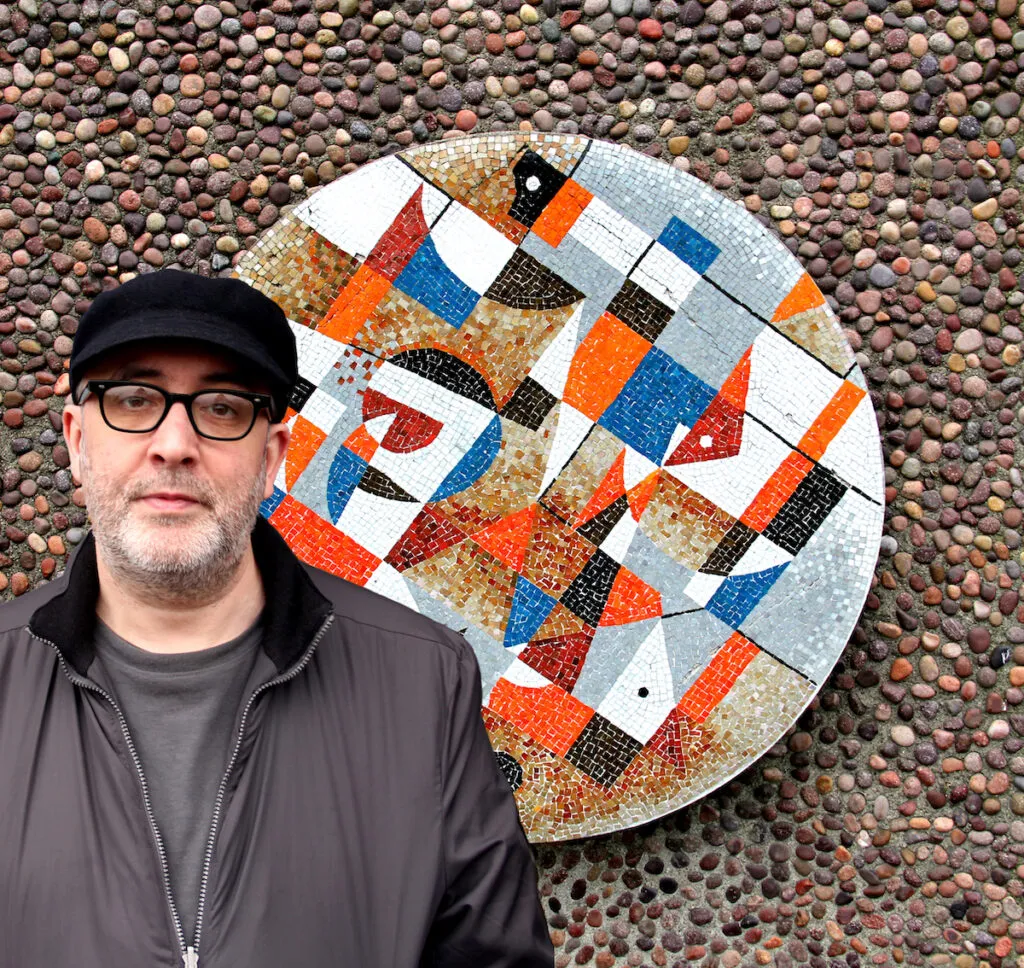
Dangers’ impact on the global music scene has been profound, inspiring countless artists around the world while solidifying Swindon’s status as an essential breeding ground for cutting-edge musicians. Without a doubt, Jack Dangers’ enduring contributions to the local and international music landscape make him a critical figure in Swindon’s rich musical tapestry.
In 1999, Dangers worked with guitarist and producer Danny Saber of Black Grape to form a project named Spontaneous Human Combustion. The project was unusual in that it was among the earliest to make and release music entirely online for free without the involvement of a music label.
As a remixer and producer, Dangers has collaborated with and reworked material for David Bowie, Nine Inch Nails, David Byrne, DJ Spooky, Merzbow, Depeche Mode, Coil, dubLoner, and many others. In 2021 he contributed drum programming to ‘Girl Is A Gun‘ by Halsey. Dangers is an avid collector of obscure audio and video material, and frequently employs samples from his collection of records and videotapes in his music and during live shows. Dangers also collects vintage electronic hardware; he owns an EMS Synthi 100 modular system that he claims is the only known working model. This unit is featured prominently on RUOK?, released in 2002.
An activist for animal rights and a practising vegetarian, Dangers has contributed (as part of Meat Beat Manifesto) to two benefit compilations for In Defence of Animals. He credits his active concern for these issues to fellow musicians Consolidated, for whom he has produced several albums and done a number of remixes.
His remix of Tower of Power’s ‘What Is Hip?‘ was nominated for a Grammy in 2006.
In 2023, Dangers remixed Kenneth James Gibson’s track David’s Pass for the remix album Further Translations on Gibson’s Meadows Heavy Recorders label. Also featured on the album is Brian McBride, Scanner, Christopher Willits, and others
Albums: Forbidden Planet Explored, Tracks, Loudness Clarifies / Electronic Music From Tapelab, Hiss & Buzz, Music for Planetarium





Leave a comment