
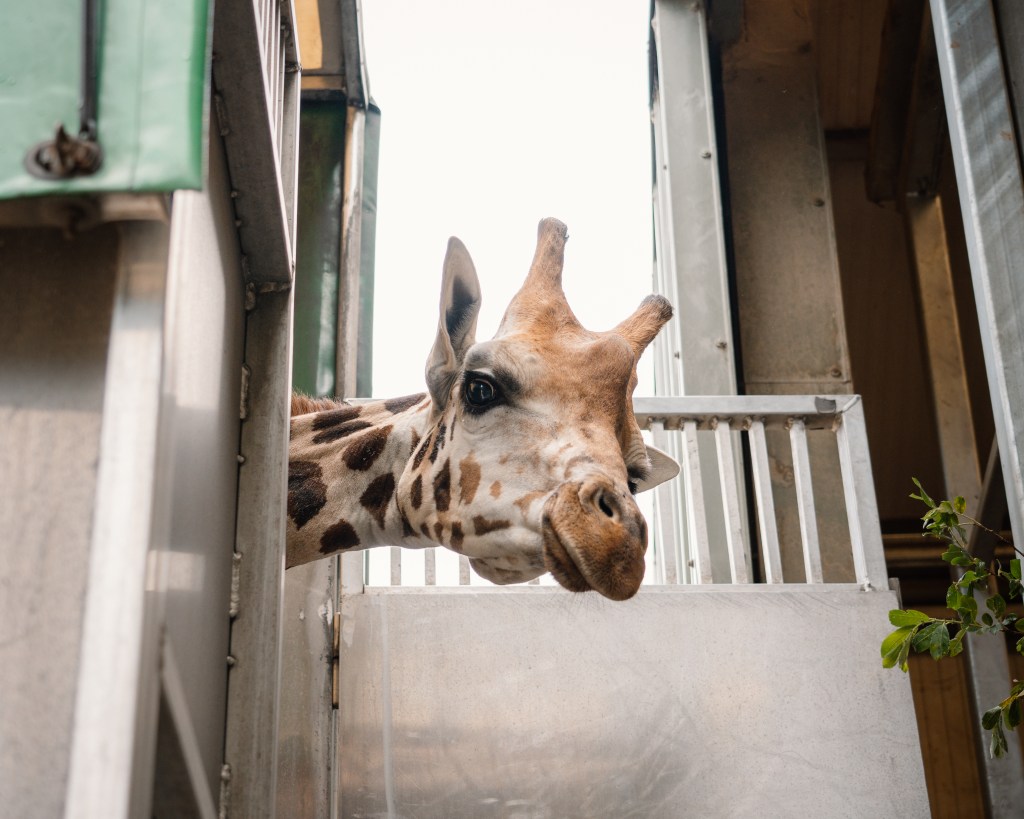
One of the world’s rarest giraffe subspecies could have a brighter future thanks to the arrival of a young bull at Longleat.
The Wiltshire safari park has welcomed Stanley, an almost four-year-old Nubian giraffe, as part of the international conservation breeding programme aimed at safeguarding a species now classified as Critically Endangered, with just 455 mature individuals thought to remain in the wild.
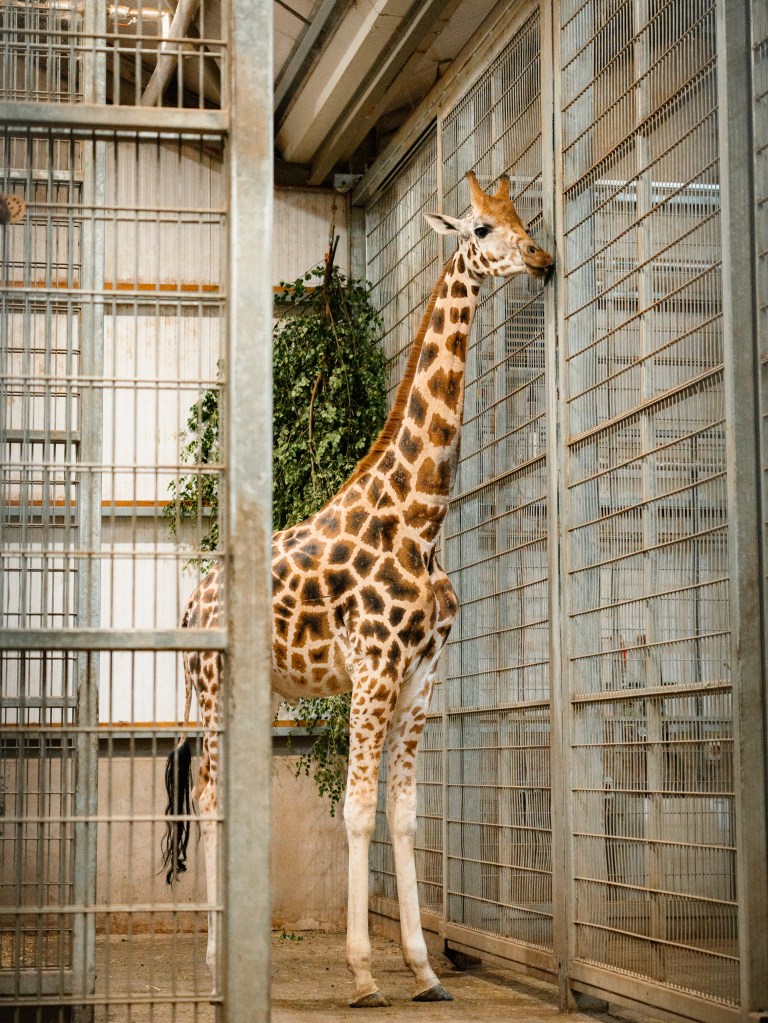
Stanley arrived at Longleat on Wednesday and represents the next chapter for one of Europe’s most successful breeding groups. Keepers hope that, once he reaches full maturity, the young bull will help secure the future of the species and continue Longleat’s remarkable record in giraffe conservation.
The current tower of giraffes at the park consists of nine females, all born at Longleat through the European Endangered Species Programme. Stanley will initially spend time in the paddock beside the giraffe house on the Drive Through Safari while he gradually gets to know his future companions, before the group returns to the main reserve.
Darren Beasley, Head of Animal Operations, said: “It’s fantastic to welcome a new bull giraffe to our herd with the prospect of once again helping the EEP.
“We sadly lost our previous bull, Thorn, in 2024, who fathered 29 calves in his lifetime. Longleat has been one of the most successful hubs for the breeding programmes of Nubian giraffes, so to start that journey again is a privilege.”
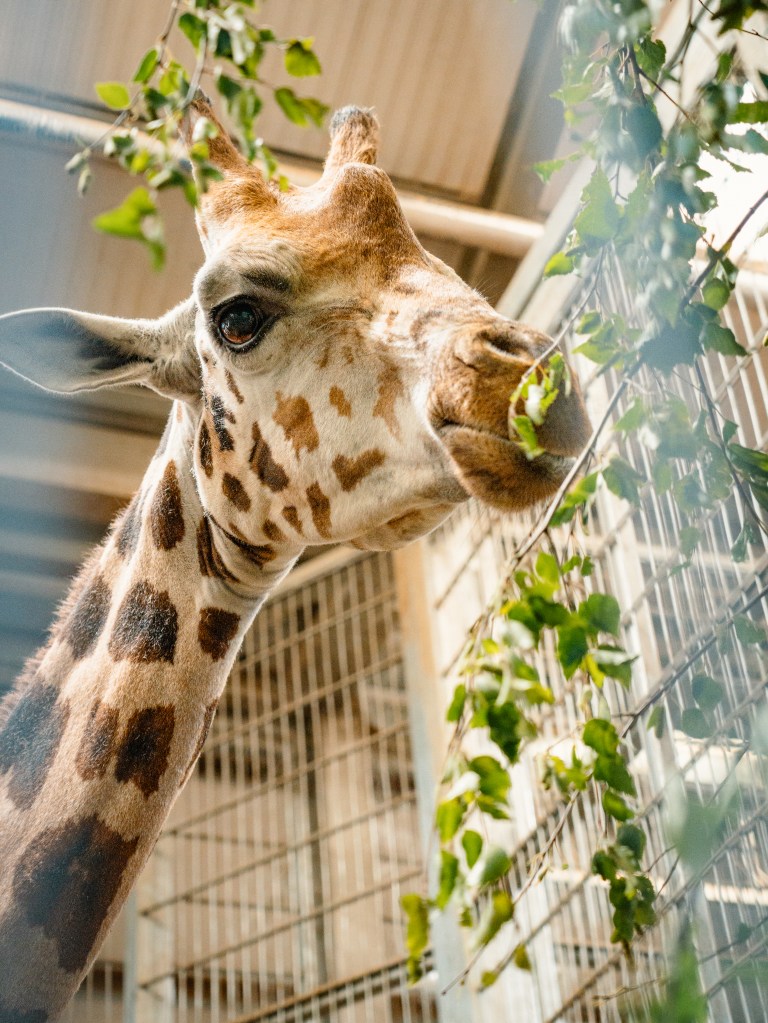
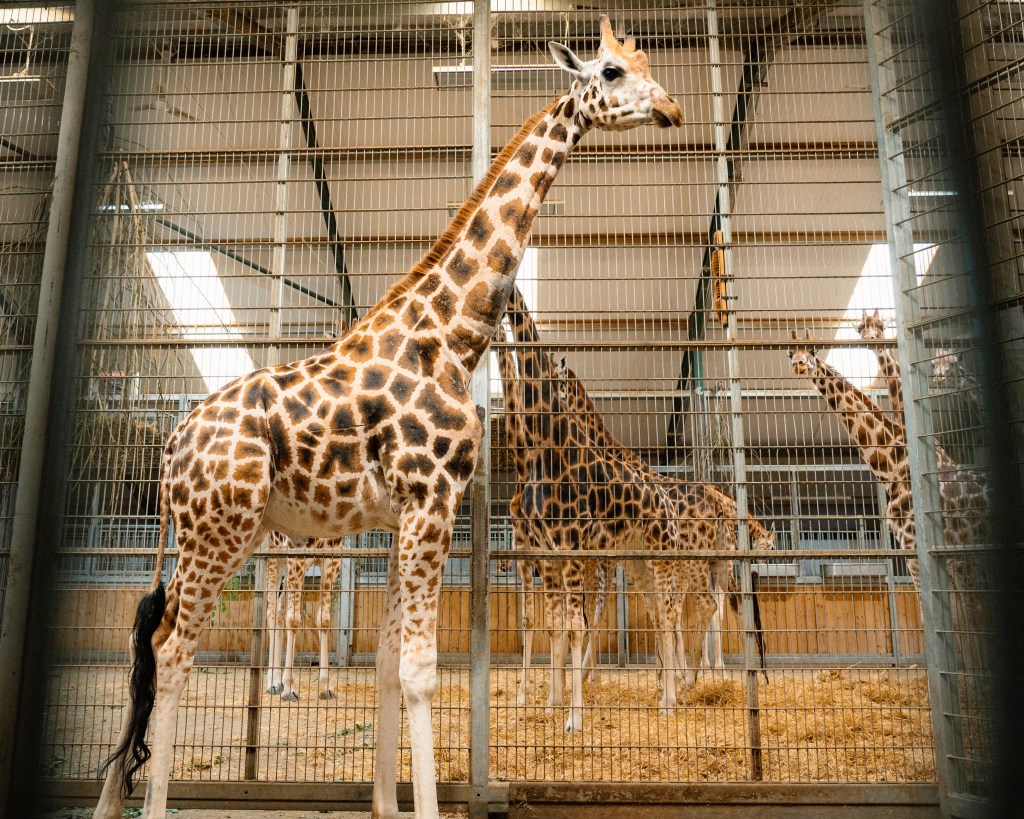
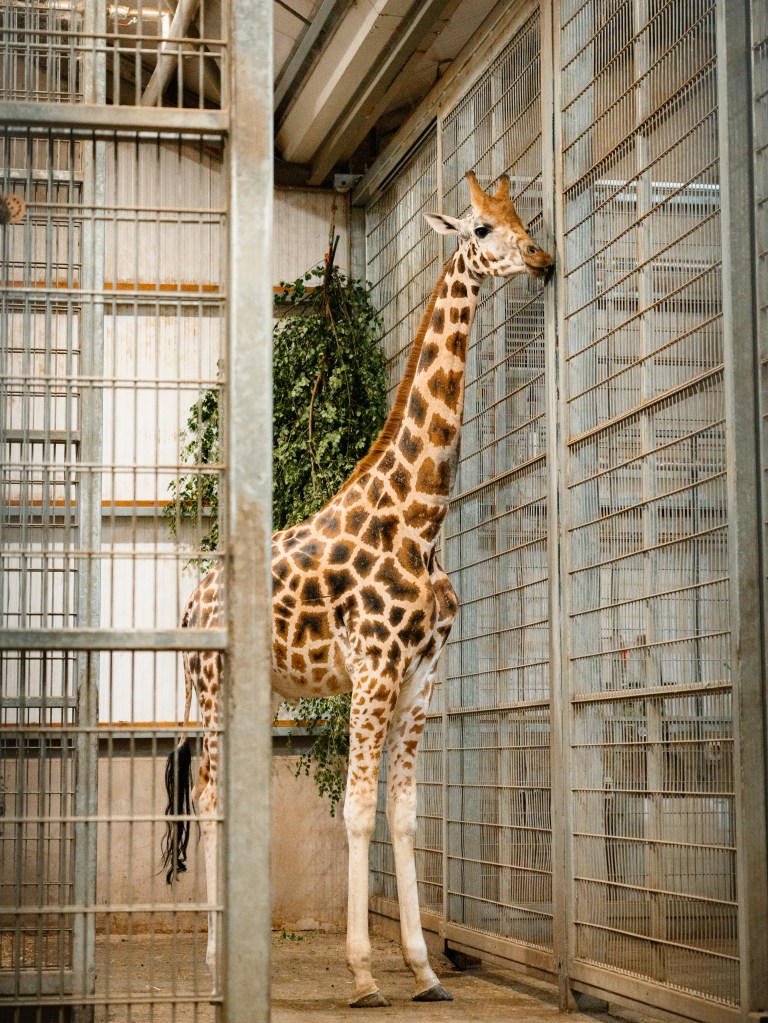
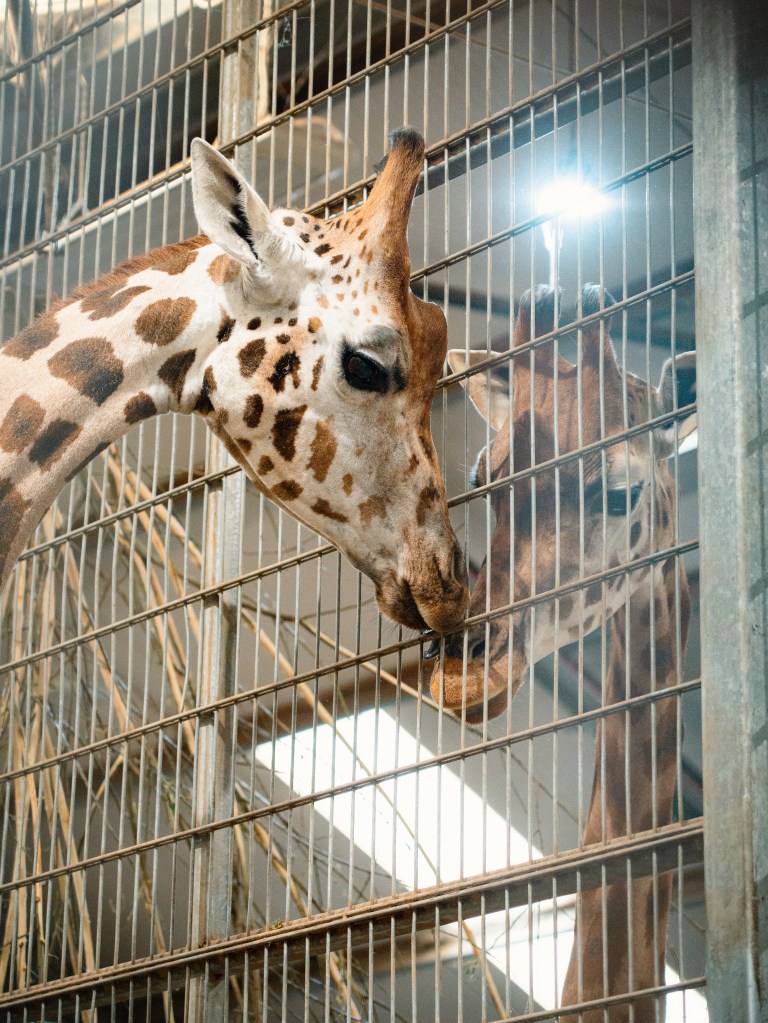
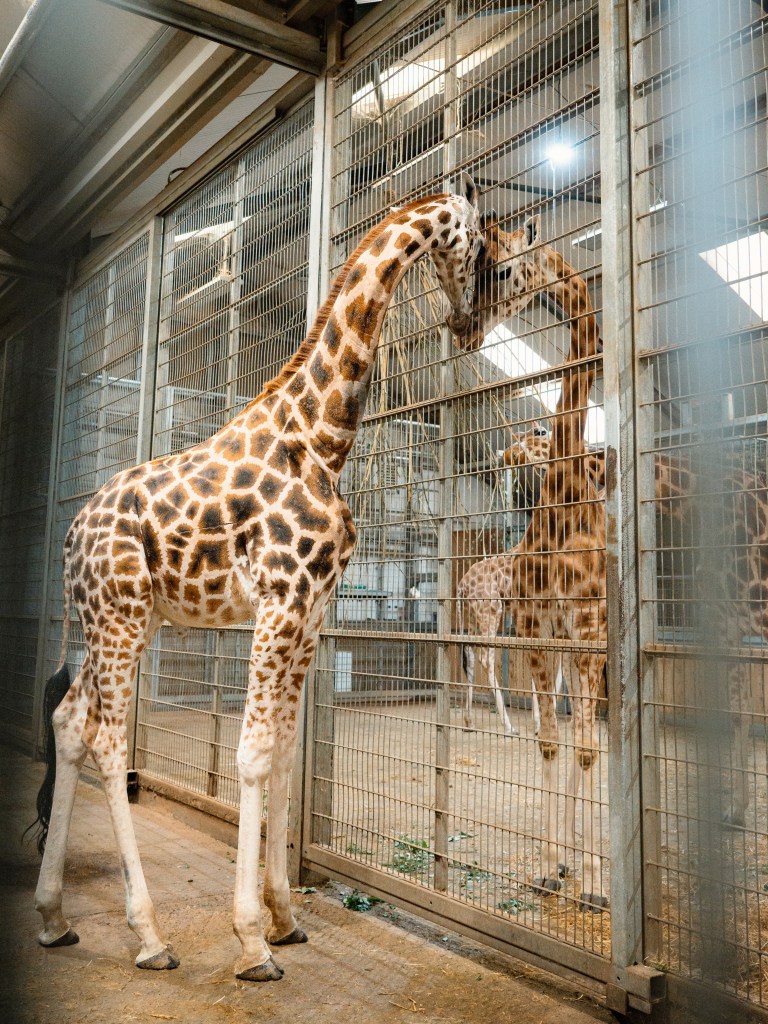
Currently standing between 3.5 and four metres tall, Stanley still has some growing to do. Adult male Nubian giraffes can reach heights of up to six metres, making them the tallest of all giraffe subspecies.
Previously known as Rothschild’s giraffes, recent scientific research has reclassified the animals at Longleat as Nubian giraffes.
Visitors can see Stanley and the rest of the tower on the Drive Through Safari, which this year celebrates the 60th anniversary of Longleat’s pioneering safari experience.





Leave a Reply