
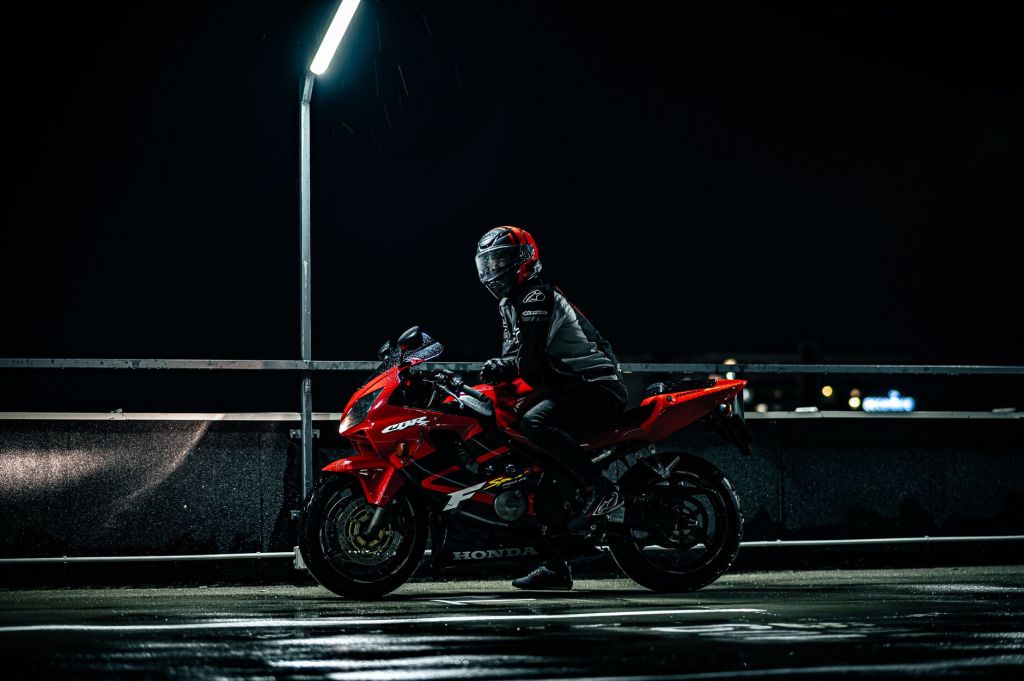
There is something uniquely tranquil about riding or driving on open roads after dark. The hustle of daytime traffic subsides, the air is cool, and the open road stretches ahead. However, darkness fundamentally alters how our eyes process speed, depth perception, and spatial distance. Statistically, driving or riding at night carries a significantly higher risk profile per mile traveled compared to daytime hours.
The key to safe night riding and driving lies in understanding how reduced light affects human physiology, knowing how to interpret subtle light signatures, and maintaining your equipment to flawless standards.
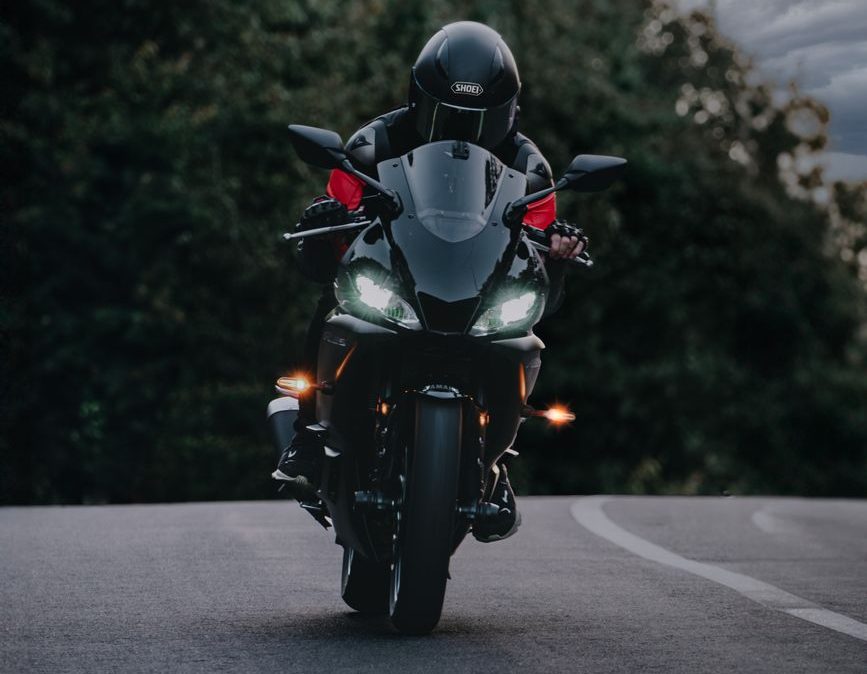
The Science of Seeing in the Dark
Human eyes are not naturally adapted for high-speed nocturnal movement. As ambient light drops, our color vision degrades, spatial contrast drops, and our peripheral vision becomes far less effective at detecting static hazards.
Furthermore, night driving introduces the constant hazard of glare and light dazzle from modern high-intensity LED headlights. When an oncoming vehicle’s main beam hits your eyes, your pupils contract rapidly. When the vehicle passes, it takes several seconds for your eyes to readapt to the dark—seconds during which you are effectively riding or driving semi-blind.
How to combat dazzle:
- Never look directly into the headlights of oncoming traffic.
- Instead, shift your focal point down towards the nearside (left-hand) edge of the road, or track the central reflective road studs (cat’s eyes) in your lower vision.
- This allows you to maintain your lane position and monitor the road layout ahead without blinding your central vision.
- If the glare is overpowering, slow down smoothly or prepare to stop until your vision clears.
Reading the Night Environment
While darkness hides many physical features of the landscape, it also provides unique visual information that isn’t available during the day:
- Headlight Sweeps Around Bends: On twisty unlit country roads, watch for light beams sweeping across trees, hedges, or rock faces ahead. The movement and intensity of these light sweeps tell you two things: an oncoming vehicle is approaching, and the exact severity/radius of the curve.
- Reflective Road Markings and Studs: Cat’s eyes are invaluable night-navigation tools. Green studs mark slip roads and layout changes, red studs indicate the left edge of the carriageway, white studs mark lane dividers, and amber studs mark the central reservation on dual carriageways.
- Early Warning at Junctions: At blind intersections, you will almost always see the glow of an approaching vehicle’s headlights reflecting off fences or road surfaces long before the vehicle itself reaches the line.

Equipment Care: Clear Vision is Survival
At night, the quality of your optics dictates your reaction time. A visor or windshield that appears mildly dusty in daytime sun can turn into a dangerous wall of glare at night.
- Visor Care for Bikers: Micro-scratches on a helmet visor act as miniature prisms, refracting light from street lamps and oncoming cars into starburst patterns (“starring”). Replace scratched visors promptly. Never wear tinted or iridium visors after sunset; always carry a clean, clear replacement visor or Pinlock insert.
- Clean Lenses Matter: A thin layer of road grime, dried bugs, or winter salt on your headlights can reduce light output by as much as 50%. Clean your headlight lenses, indicator covers, and mirrors before every night trip.
- Main Beam Strategy: Use your high beams on unlit roads whenever safe, but dip them early when following other vehicles or approaching oncoming traffic. Dipped headlights are actually often more effective than main beams on sharp left-hand bends, crests, and around large reflective road signs where main beams cause self-dazzle.
Speed & Distance Rule
The golden rule of night riding and driving is simple: never outride or outdrive your headlights. In daytime, you might see hazards a quarter-mile away; at night, your dipped beam may only illuminate 30 to 40 meters ahead. Adjust your pace so that your total stopping distance sits comfortably within the crisp, illuminated zone in front of you.





Leave a comment