
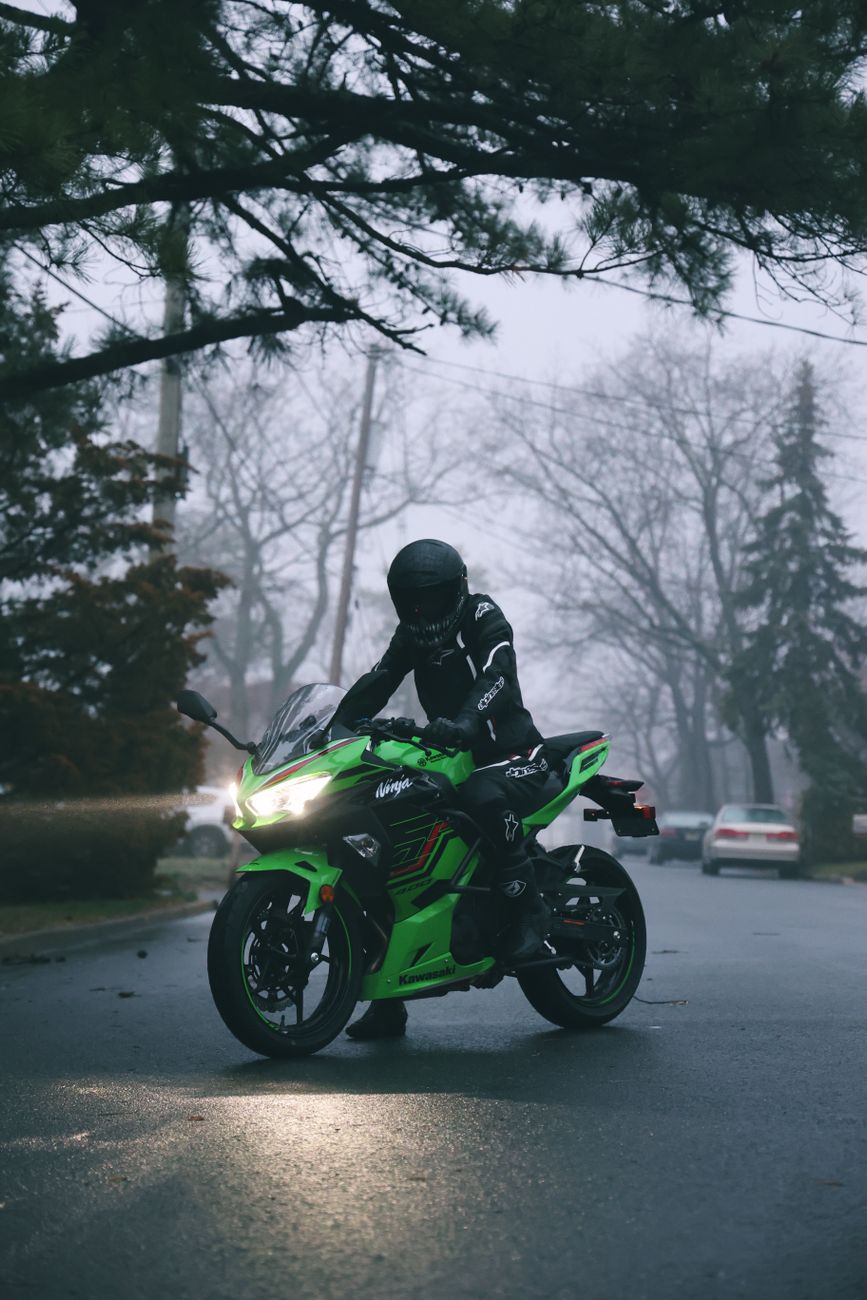
As autumn fades and winter settles in, many motorcyclists lock up their bikes and wait for spring. But with modern riding gear, winter maintenance habits, and adjusted road craft, you don’t have to surrender your two-wheeled freedom during the colder months.
That said, winter riding and driving demands respect. Low temperatures, freezing tarmac, reduced daylight hours, wet surfaces, and road salt completely reshape the traction equation. Here is how to tackle winter riding safely and comfortably.
The Human Factor: Combating Cold & Fatigue
When your body gets cold, its primary physiological response is to pull blood away from your extremities (hands and feet) to keep your core organs warm. For a rider or driver, cold hands mean stiff fingers, reduced brake lever feel, and slowed throttle control. Shivering leads to physical exhaustion and severe mental distraction.
- Layer Up Smartly: Invest in windproof base layers, quality thermal mid-layers, and waterproof outer shells. Wind chill drastically lowers effective temperature at speed.
- Embrace Heated Gear: Heated grips, heated vests, and heated gloves are no longer luxuries—they are vital safety equipment that maintains your reaction time and fine motor control in sub-zero conditions.
- Manage Fatigue: Cold conditions drain your energy far faster than warm summer days. Plan frequent rest stops on long trips to warm up, stretch, and consume hot drinks.
Identifying Winter Surface Hazards
Winter surfaces offer significantly less grip, and hazards become harder to spot:
- Low Sun Glare: The low winter sun sits right at eye level, casting long shadows and blinding road users. Keep your visor or windshield immaculately clean inside and out to minimize light diffusion.
- Wet Leaves & Mud: Wet, rotting leaves on rural roads form a slick, grease-like barrier over the asphalt. Treat patches of leaves with the same caution as black ice. Watch for mud dropped near farm entrances.
- Road Salt & Grit: Highway gritters keep ice at bay, but fresh salt crystals act like tiny ball bearings under motorcycle tires. Furthermore, salt spray coats headlight lenses and visors, severely impairing night vision.
- Black Ice Cold Spots: Be extremely cautious in shaded woods, on bridges, over culverts, and under overpasses. These areas freeze first and thaw last, often leaving patches of invisible black ice on otherwise dry roads.
Adjusting Your Control Technique
Winter demands a ultra-smooth approach to machine control:
- Increase Following Distances: Double or triple your gap behind preceding vehicles to allow for extended braking distances on slippery roads.
- Smooth Control Inputs: Avoid sudden, harsh throttle application, rapid downshifts, or aggressive trail-braking. Feed control inputs in progressively.
- Minimize Lean Angles: Try to keep the bike as upright as possible when cornering on uncertain surfaces. Complete your braking and speed adjustments in a straight line before entering bends.
Post-Ride Machine Care
Road salt is highly corrosive to aluminium, chrome, and exposed metal components. Left unchecked, winter brine will seize brake calipers, pit fork stanchions, and rust chains.
After every winter ride, get into the habit of rinsing your machine down with cold water (hot water dissolves salt and accelerates the chemical reaction). Apply anti-corrosion barrier sprays to exposed metalwork to protect your investment throughout the season.



Leave a comment