
Whether you are setting off on a short daily commute, taking a weekend blast through rural country lanes, or embarking on a week-long touring holiday, mechanical reliability is the bedrock of road safety. A mechanical failure at high speed—such as a seized chain, a sudden loss of tire pressure, or a sudden loss of brake fluid—can transform an enjoyable trip into an emergency in milliseconds.
Professional drivers and emergency services riders don’t leave machine readiness to chance. Before taking to the road, they perform a systematic, structured pre-flight check.
In advanced road craft, this system is known as the POWDDERSS check. Memorise this acronym and make it an automatic habit before every major journey.
Breaking Down the POWDDERSS Check
- P – Petrol (Fuel Level): Check your fuel level before setting off. Running out of fuel in a remote area or on a dangerous stretch of motorway shoulder puts you in immediate physical danger. Never push your reserve tank to its absolute limit.
- O – Oil (Engine Lubrication): Inspect your engine oil level using the sight glass or dipstick on level ground. Low oil levels cause catastrophic engine seizure; overfilled oil can blow out seals. Look for fresh oil drips underneath your bike or car.
- W – Water (Coolant & Fluids): Check coolant levels in liquid-cooled engines, alongside windshield washer fluid reservoirs. Ensure radiator caps are secure and check hoses for cracking or leaks.
- D – Damage (Visual Inspection): Perform a slow, 360-degree walk around your vehicle. Look for loose fairings, missing bolts, cracked light lenses, loose mirrors, or dangling cables.
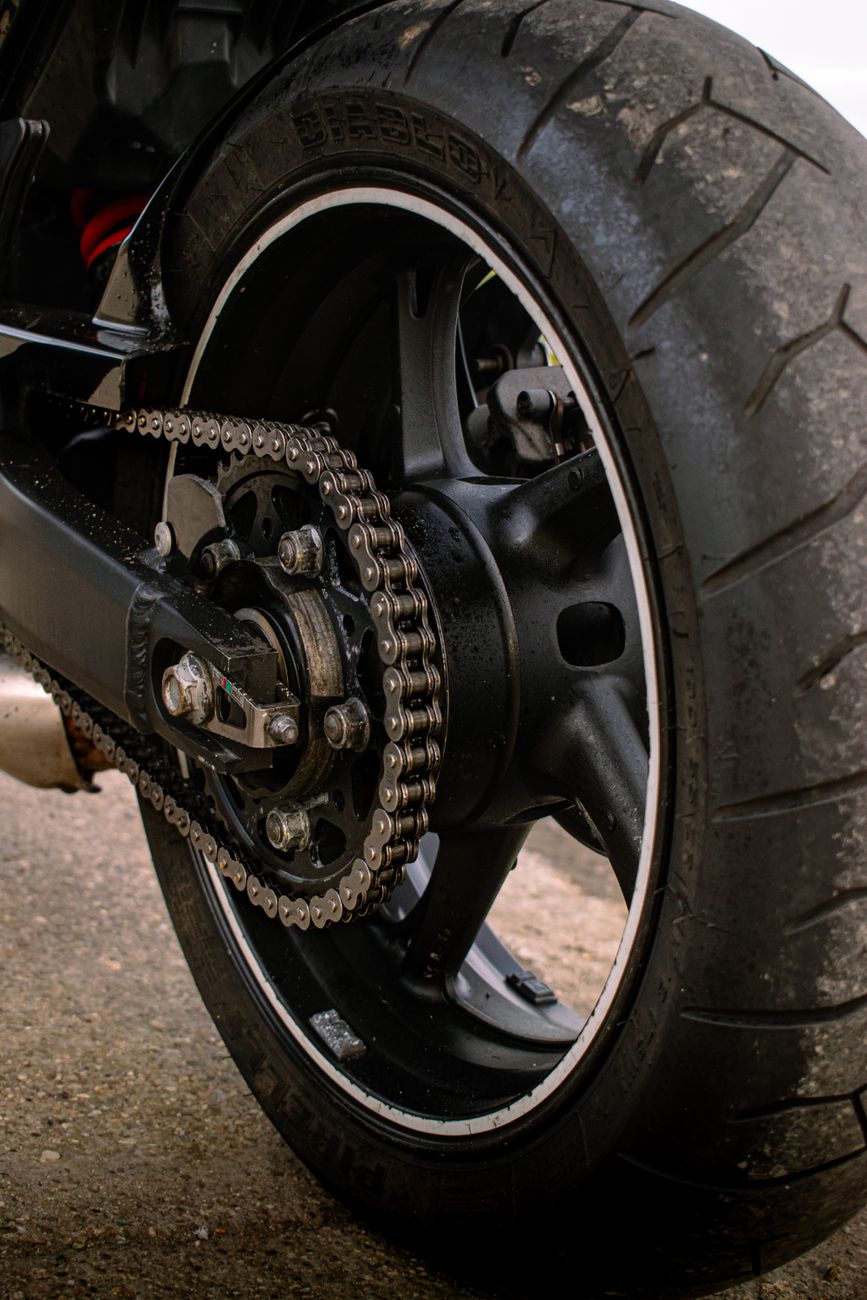
- D – Drive System (Chain, Belt, or Shaft): For motorcyclists, inspect your drive chain. Check for correct tension, clean off road grit, and ensure it is properly lubricated. Look for excessive wear on sprocket teeth. For car drivers, inspect drive belts for fraying.
- E – Electrics & Lighting: Test every single light: dipped headlights, main beams, brake lights (using front and rear controls separately), hazard lights, horn, and turn indicators. Ensure instrument panel warning lights turn off after starting.
- R – Rubber (Tires & Suspension Seals): Tires are your only contact patch with the road. Check tire pressures cold using an accurate gauge. Inspect tread depth across the entire surface, and examine sidewalls for cuts, bulges, or embedded nails. Check front fork seals on motorcycles for oil leaks.
- S – Steering (Head Bearings & Movement): Ensure handlebars or steering wheels move smoothly from lock to lock without notchiness, grinding sounds, or excessive play. Check that cables don’t pull tight when turning the handlebars fully.
- S – Suspension & Brakes: Bounce the front and rear suspension to test damping performance. Test both front and rear brake controls for firm lever/pedal feel—a spongy lever indicates air or fluid leaks in the lines.
Invest in Your Riding Future
Developing great observation, honing your mindset, conquering winter roads, and maintaining your machine are all steps on the journey to becoming a complete, confident rider.
If you are ready to take your riding to an expert level, build true confidence in all conditions, and receive one-on-one coaching from experienced advanced tutors, visit tiptoptours.co.uk/training to explore professional training options tailored to you.




Leave a comment