

We maybe having a rather mild autumn so far, but it wont be long before winter knocks on the door, and with the weather being so good right now, drivers may be fooled into a false sense of security, and think that we wont have a bad winter this year. You maybe right, but being prepared is the best way to think. Here in the UK, we tend to not think about extreme road conditions as much as our European neighbours who are more used to harsh winter conditions year on year, where here in the UK, one year we will get no snow, then the next we can have record snow fall.

Months of filthy roads, mud, grime and salt could be sitting unchecked on the hidden nooks and crannies of vehicles slowly causing expensive problems. We have partnered up with Carite Ltd and Wax is Dead to get the low down on why salt is bad for your car, and how you can protect it.
WHY IS SALT BAD FOR CARS?
While wintry landscapes and freshly settled snow can make the countryside look beautiful, they can also severely take their toll on vehicles as road salt has corrosive properties that, if left unchecked, can have a negative impact on your customers pride and joy.
WHY DO WE PUT SALT ON THE ROADS?
More than two million tonnes of ‘road salt’ (a mixture of salt and sand) is spread on the UK’s roads each year, the salt helping to prevent ice from forming, while the sand adds traction.

It works because sodium chloride, to give salt its chemical name, lowers the freezing point of water and – in turn – makes our roads far safer. There’s no arguing with its benefits, but for those who cherish their cars its presence isn’t always welcomed.

WHAT CAN I DO TO PREVENT IT CAUSING HARM?
The most important thing you can do is to keep cars clean. While this isn’t, of course, practical when the roads are being gritted every evening between sub-zero temperatures, once the mercury rises you should encourage customers to get a thorough post winter wash. It is important to stress that a cheap splash and dash “mini valet” won’t cut it though. It’s often the parts of the car you can’t see that are under the most critical threat, and this is where your understanding and expertise come into play.

By far the best option is to thoroughly and professionally clean both on top and underneath, paying extra attention to inside the wheel arches and the floor-to-sill joints where dirt traps can create build-ups of salt.
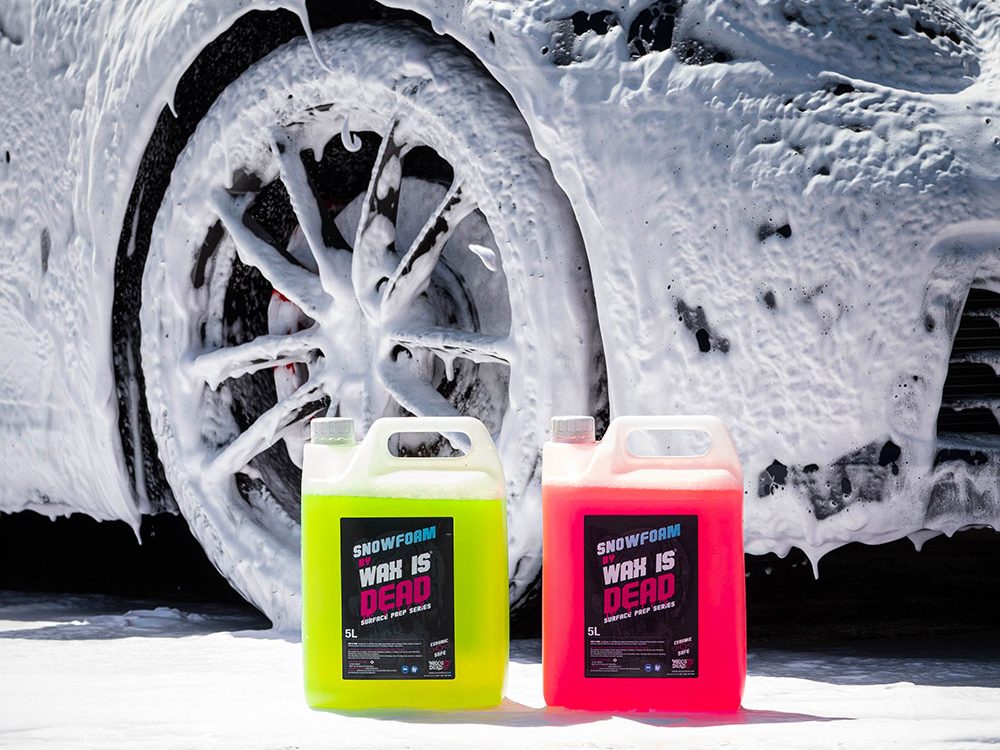
Wax is Dead Snow Foam can be foamed all over the car including into the arches and underside areas to dwell and breakdown the grime. A high-pressure rinse with a stubby gun gets you into the arches and a lance extension, or wheeled sprayer give you enhanced access to the underside.
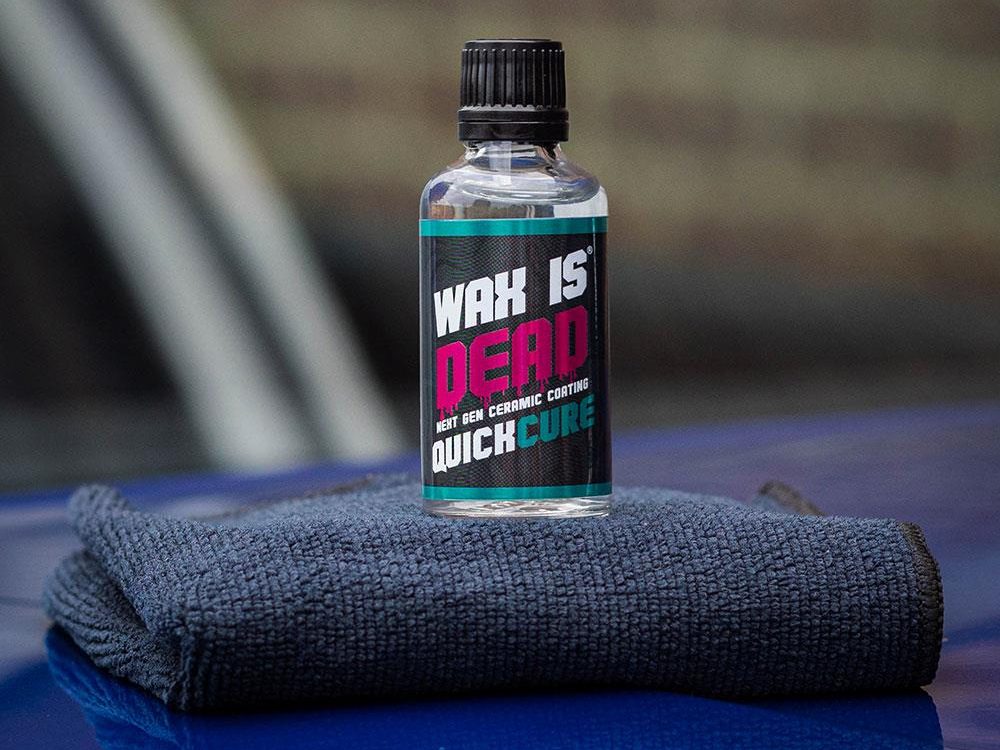
After washing inspect all paintwork carefully. If there are exposed stone chips and areas of lacquer damage, these, too, can become salt traps and will ultimately lead to either corrosion or, at best, damage to the paint surface. Alert your customers to any damage found and educate them on the pitfalls of leaving it. A coat of Wax is Dead Quick-Cure will provide temporary protection, but it really wants new paint.
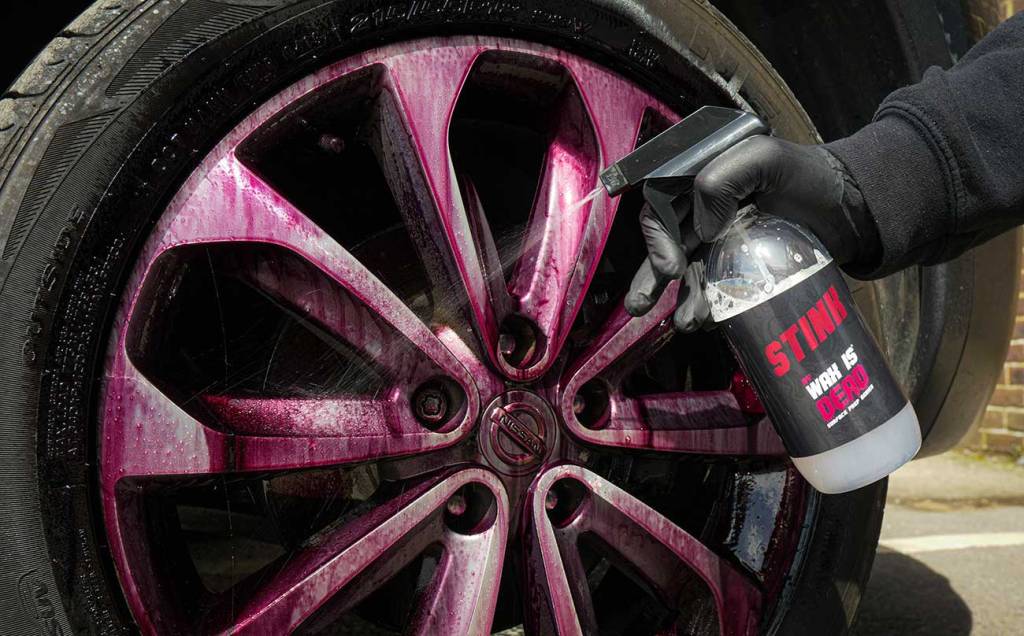
Salt can also be extremely damaging to alloy wheels. Any curbed areas leave bare metal exposed to corrosion. Wheels must be thoroughly cleaned and ideally protected. Stink by Wax is Dead will cut through the grime and iron fallout and make them spotless again. Advise your customers to refurbish damaged wheels. Quick-Cure can be used on wheels as well but if you just want to give the whole car a bit of hydrophobic protection then Wax is Dead Ceramic foam gives you up to 6 months of easier cleaning.
A post-road salt wash and coat of durable protection such as Quick-Cure if you are a mobile detailer or one of their professional coatings if you have your own studio and are apart of their installer network, are the best investment your customers can make into their car’s long-term preservation.





Leave a Reply