
In 1943, Lydiard Park was requisitioned by the military and served three important functions during the Second World War. At the same time, Vernon, 6th Viscount Bolingbroke permanently vacated Lydiard House when he inherited a heavily mortgaged house and overgrown parkland. Town Clerk David Murray John negotiated the sale of Lydiard Park to Swindon Corporation (now Swindon Borough Council) for £4500.
Lydiard Park served as a large station hospital for the American 101st Airborne Division, and treated casualties from the D Day Landings. The camp was located where the sports and event pitches are today.
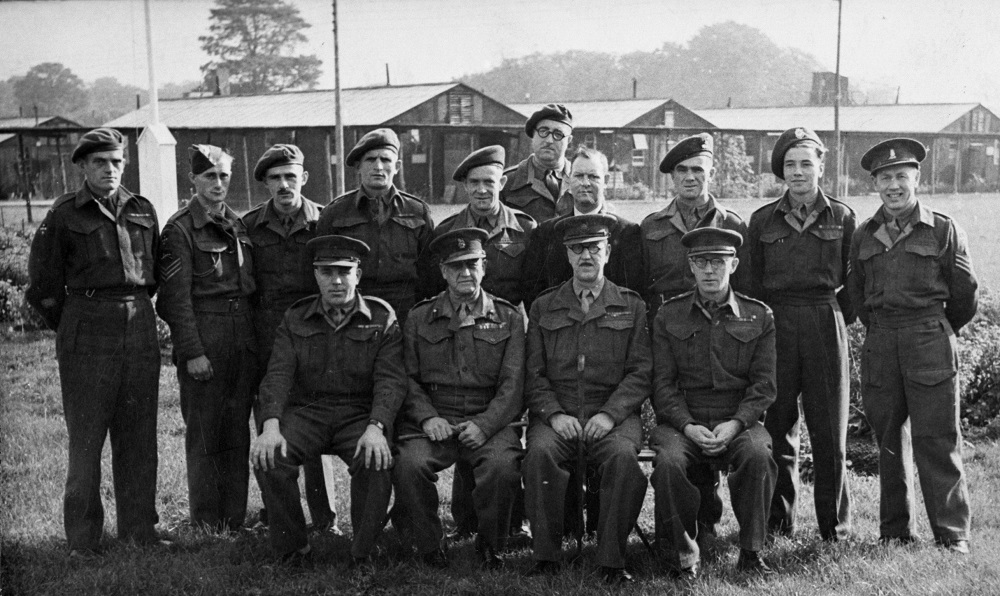
From 1943, the American hospital became a Prisoner of War hospital, and housed up to 200 German Prisoners of War at a time.
Elsewhere in the park, the Great Western Railway Home Guard used the fields and woodland for training and target practice. Following the war, the military huts were used as a temporary housing estate. Many families lived at the ‘lost estate’ at Lydiard Park until the 1960s.
A record of the transaction between the late Viscountess Bolingbroke’s executor, Edward Hiscock (the “Vendor), Francis Elliott Akers (“the Purchaser”) and The Mayor Aldermen and Burgesses of the Borough of Swindon (the “Corporation”) dated 6th November 1943. The document sets out the agreement between the three parties for the onward transfer of Lydiard House within 147 acres of parkland to the Corporation, for which the Corporation had pre-paid Cllr Akers £4500.
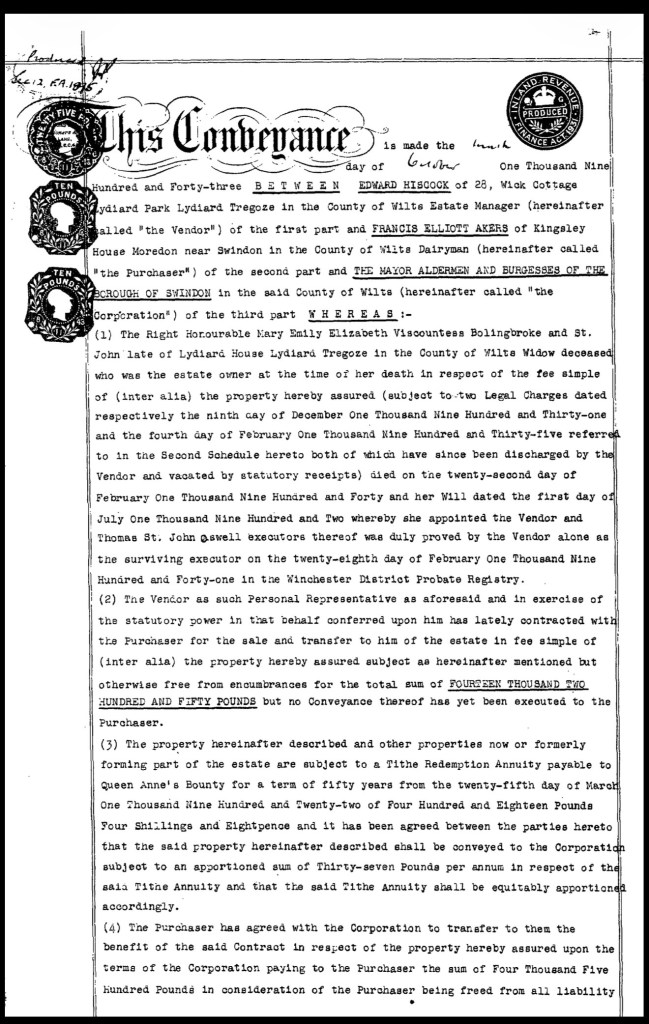
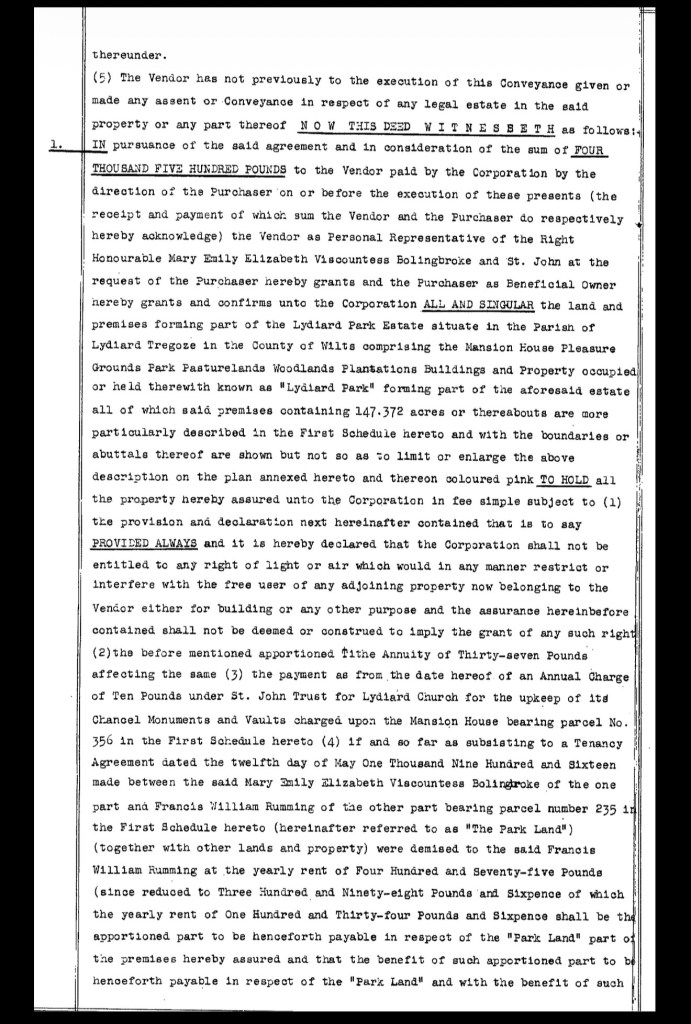
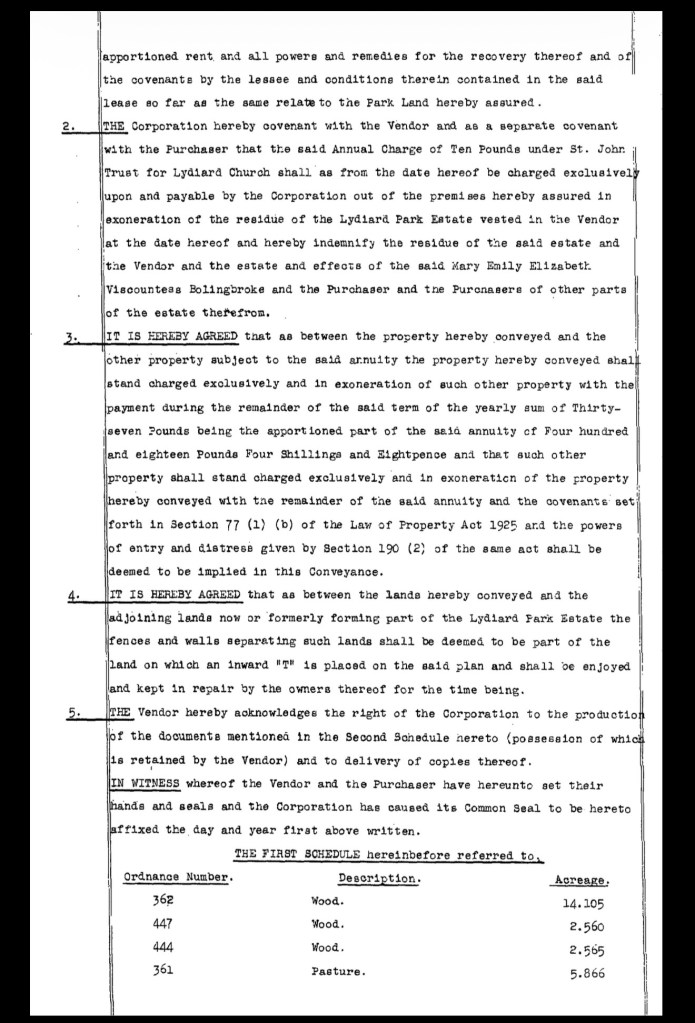
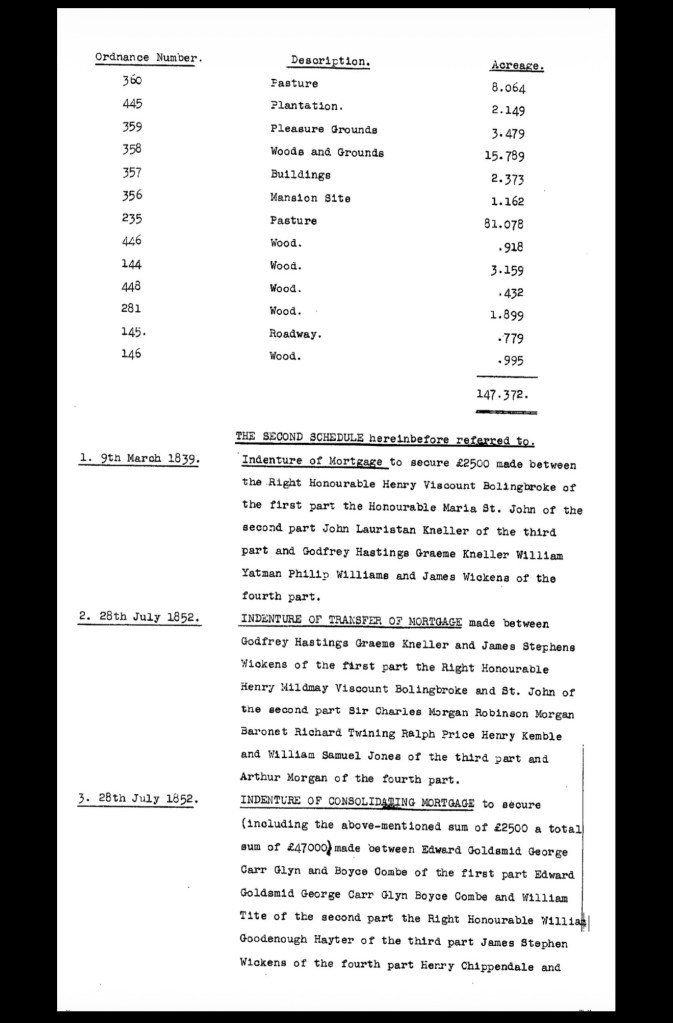
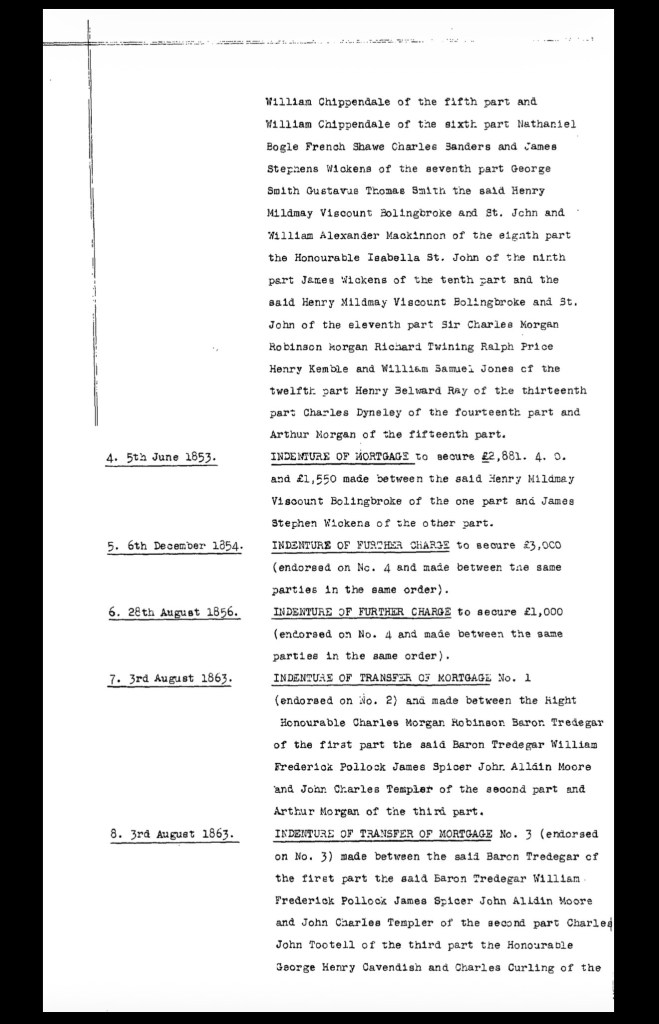
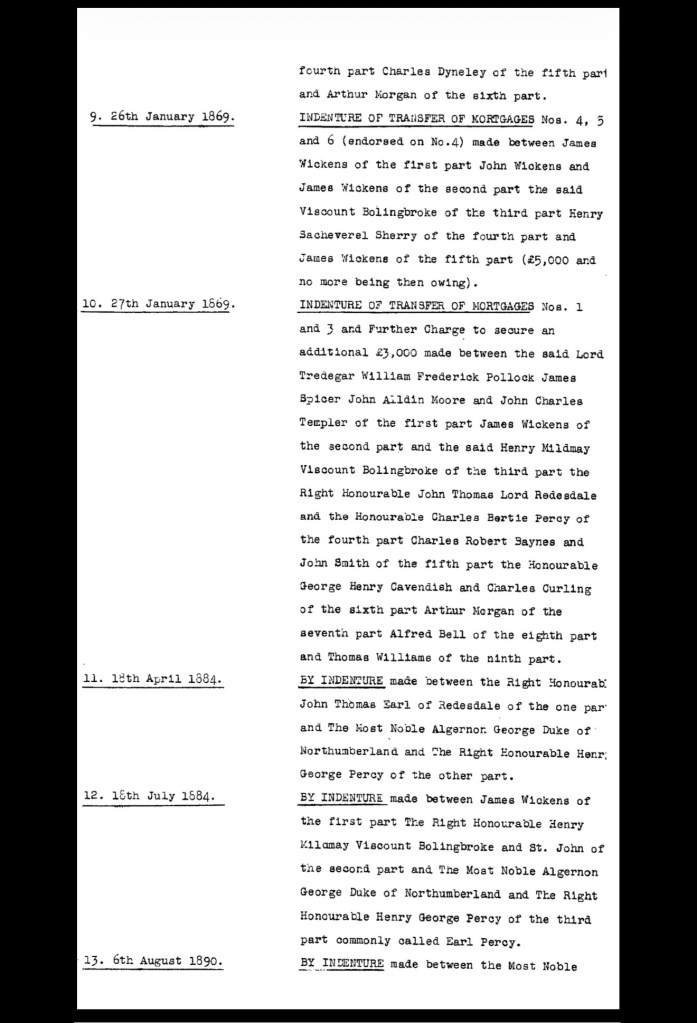
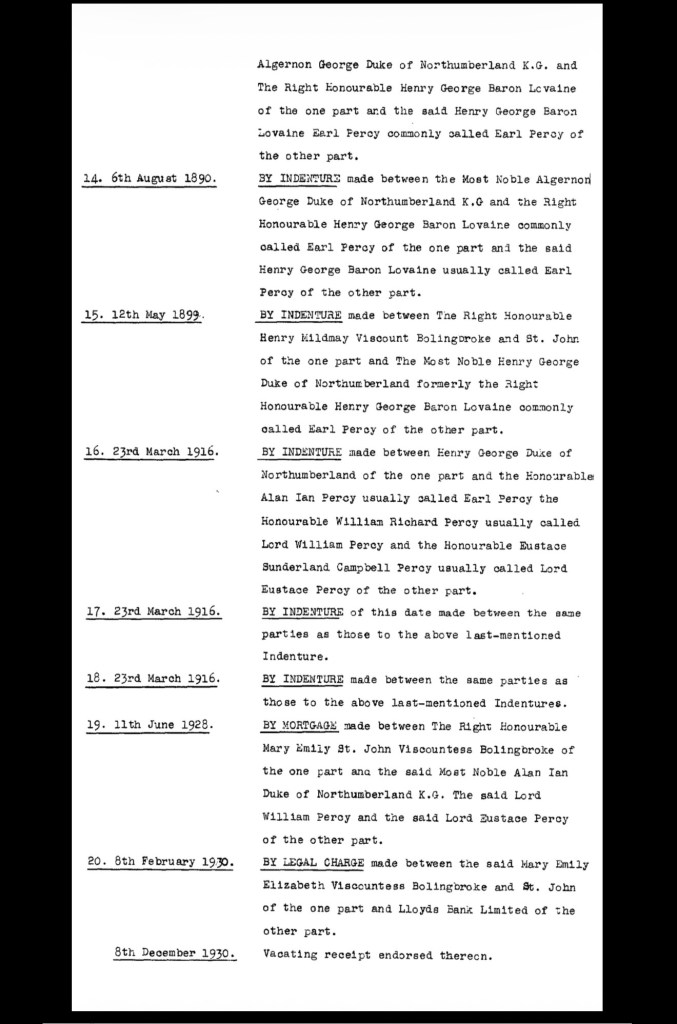
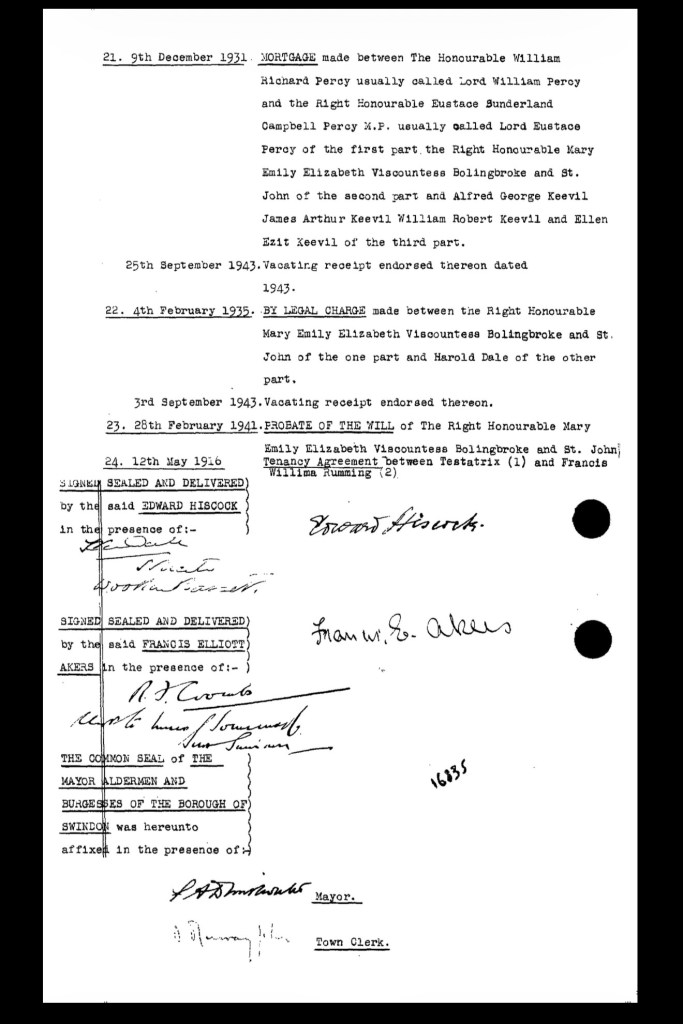
Schedule 1 lists portions of land and buildings to be transferred to the Corporation, amounting to 147.372 acres. Schedule 2 contains a list of indentures and mortgages attached to the former home of the St. John family from from 1839.
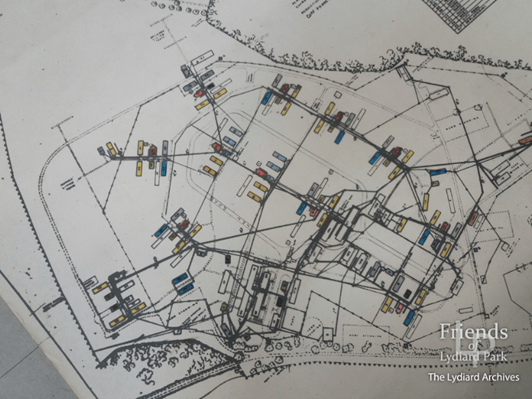
Looking at Lydiard Park’s beautiful grounds and playing fields today, it is hard to imagine they were once occupied by a German Military Hospital Camp. Yet a complex of tents, Nissan huts and one or two concrete and brick buildings occupied some eighty acres of the park during World War II and its aftermath.
There is virtually no evidence of the camp left on the ground but documentary material brings this memorable part of Lydiard’s history to life. The Lydiard Archives holds a WWII Special Collection which includes the Lydiard Park Prisoner of War Hospital Camp.
First buried at Whitworth Road Cemetery, Swindon
Thanks to the work of Pete and Debra Melsom, The Friends of Lydiard Park who discovered the names of sixty-six German soldiers, airmen and naval Prisoners of War who died at the military hospital at Lydiard Park. They included patients at the USA 302nd Station Hospital Camp or its successors, the re-designated 4136 USA Hospital Plant, and the 160 Prisoner of War Hospital Camp which was under British military control.
Further research showed the men were recorded in the two Register of Burials in War Graves held at Swindon Cemetery and Crematorium, Kingsdown Road, Swindon. The two registers also contain the burials of British servicemen and Italian Prisoners of War.
Having all died between 1944 and 1947, the registers include details of their name (if known), age, rank, service number, date of burial, the name of the officiating minister and burial plot reference. By the time the military camp at Lydiard had become the 160 Prisoner of War Hospital Camp, the period covered by the second register, the ministers who conducted the burials were German.




Leave a Reply