
A Reuters report published this week on the 25th November, citing two people with knowledge of the plans showed the Government is advancing plans to open BBC iPlayer to advertising and content from rival broadcasters.
The change is expected to feature in the White Paper on the BBC’s charter renewal, due by the end of the year, which will set out the BBC’s funding, governance and remit from 2028. One source said the technology upgrade needed could cost tens of millions of pounds.
Under the proposal, iPlayer would carry programmes from rivals such as Channel 4 along with the advertising attached to them. It would also let UKTV, the BBC’s own commercial broadcaster behind ad-funded channels such as U&Drama and U&Dave, bring its content onto the platform, and one source said other broadcasters, including ITV, could join in time, Clean Feed reported. The upgrade could be paid for by the BBC’s commercial arm, with the cost recovered through fees charged to other content providers.
The bigger shift is for the BBC itself. One source told Reuters the plans could open the way for the BBC to carry advertising around some of its own content, which its current charter bars. The government said last year that advertising around older iPlayer content was one of the options under consideration, Advanced Television noted.
The BBC pointed to comments in July by its Director General, Matt Brittin, who said one opportunity for Channel 4 would be “in partnership with the BBC, having content on iPlayer, but continuing to be ad-funded”. Channel 4 chief executive Priya Dogra told MPs this month that the idea was “worth exploring”, but that details, including how advertising would work, still had to be settled.
A Department for Culture, Media and Sport spokesperson said: “The BBC must be funded by a model that is sustainable and fair. Through the BBC Charter Review, we are looking at a range of options, including how the licence fee could be reformed, but no final decisions have been made.”
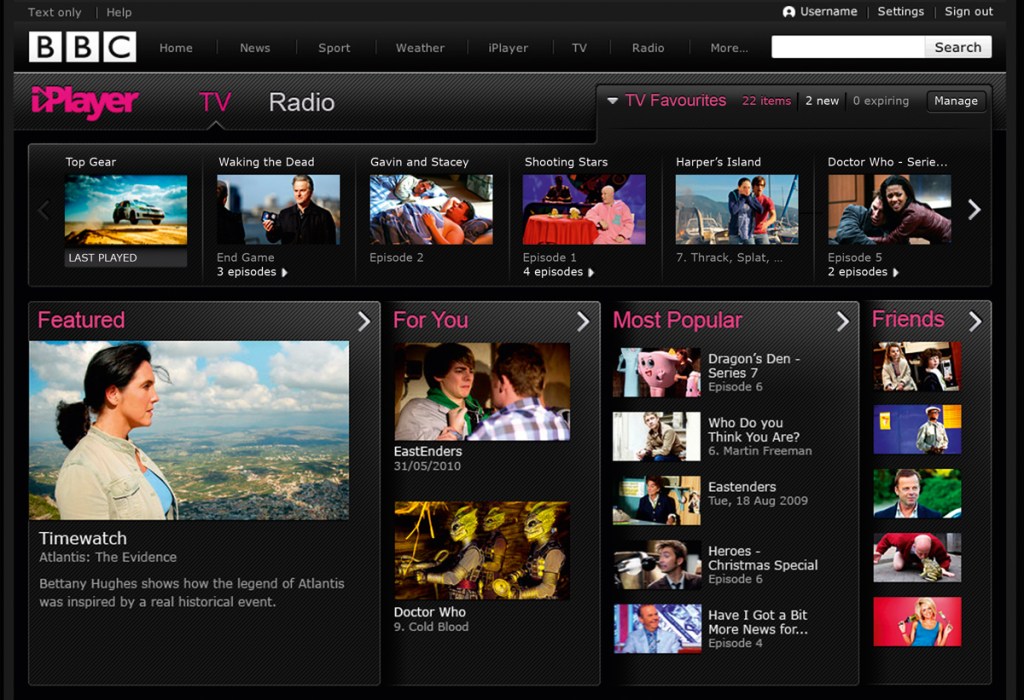
For advertisers, a shared British streaming platform is the answer to a problem that has been growing for years. Ofcom said in July that 26% of UK viewers now turn to Netflix first when deciding what to watch, against 25% for the BBC. Put Channel 4, UKTV and perhaps ITV inside the BBC’s player and buyers get scale in one place, with programmes that brands want to sit next to. This is Project Kangaroo again, the joint service from the BBC, ITV and Channel 4 that regulators blocked in 2009, and the market has moved a long way since.
The timing matters for Channel 4 most. It has no licence fee and lives on advertising, and it has just been named as the broadcaster hit hardest by Unilever cutting its UK TV spend by more than half. ITV’s advertising revenue fell 8% in the third quarter, and UK marketers expect to cut linear TV again in 2027. A seat on iPlayer is reach that commercial broadcasters cannot buy on their own.
The risk is the line about the BBC’s own content. Even limited advertising around older BBC programmes would put the biggest broadcaster in the country into a television ad market that is already shrinking, and the money would come from the same pot that funds ITV, Channel 4 and Sky. If the White Paper opens that door, the commercial broadcasters will want strict limits on how far it opens.
The White Paper is due before the end of the year, and the advertising detail will be the part the industry reads first. To end with, is it not just time to get rid of the tax on people being forced to pay for a TV Licence and move BBC as a whole to more like a Channel 4 model? Channel 4 is a public service channel just like the BBC, most people when asked, see the TV License as a stealth tax that no one likes pay or thinks is even worth what they pay. With the BBC having been wrapped in historic scandal after scandal, gives more reason to scrap the TV License. And with the younger generation more interested in streaming services and even social media platforms such as TikTok for their entertainment, BBC needs to look towards a fully advertised model sooner rather than later.



Leave a Reply