
New citizen science project will build a long-term picture of how autumn colour changes year on year
As autumn officially arrives, Forestry England is asking people across England to become “autumn spotters” and help track how the season unfolds across the nation’s forests.
The new autumn leaf watch citizen science project invites people to record the changing colours they see using Forestry England’s new autumn colour tracker.
By collecting observations over the coming weeks and in future years, Forestry England hopes to build a valuable long-term picture of when and how autumn colour develops across different regions, habitats and tree species.
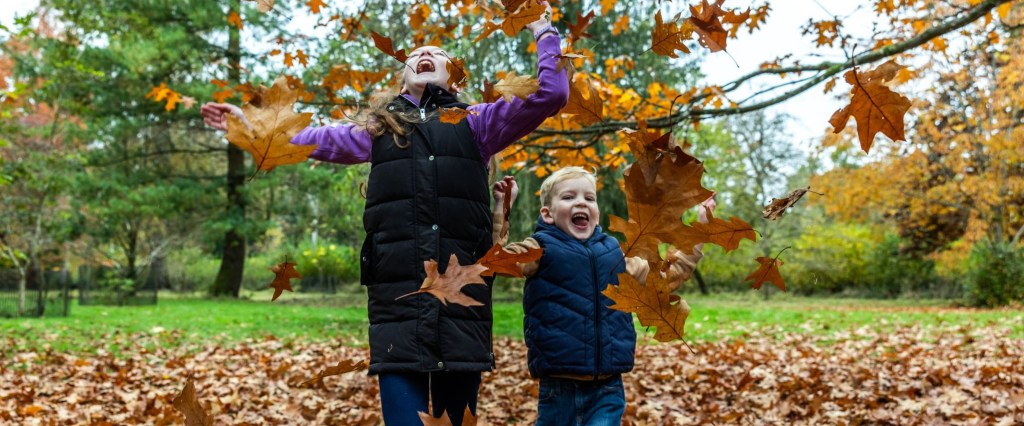
People taking part can record the overall colour they’re seeing, or get more involved by looking out for five easily recognisable tree species: beech, horse chestnut, oak, rowan and silver birch.
The project will allow people to follow the progress of autumn across England, while contributing observations that could help Forestry England better understand how the timing and development of autumn colour varies from year to year.
Early observations submitted to Forestry England’s autumn colour tracker suggest autumn is still in its early stages across the nation’s forests, with the vast majority of reports showing woodland canopies remain green. However, early submissions to the tracker are already recording the first signs of seasonal change, with yellow and orange leaves being recorded at sites including Forestry England’s Wyre Forest and Haughmond Hill in West England, and Delamere Forest in Central England. Silver birch and beech are among the species showing some of the earliest colour change, while oak remains predominantly green across much of the country.
With autumn now officially beginning, visitors to the nation’s forests may already be starting to see the first signs of seasonal change. The timing of autumn colour varies depending on factors including daylight, temperature, rainfall, soil moisture and the health of individual trees.
This year’s unusually hot and dry summer has already caused some trees to shed their leaves earlier than usual. While it is too early to predict exactly what autumn will look like, conditions in the coming weeks will influence how the season develops.
Chris Sorenson, Forest Management Advisor at Forestry England, said:
“Autumn is one of the most spectacular changes we see in our forests, but it is also a fascinating time to observe how trees respond to the conditions around them.
“By asking people to record what they see, we’re hoping to build a much better picture of how autumn colour develops across England, both this year and in the years to come.
“The more observations we collect over time, the more we can learn about the timing and progression of autumn across different parts of the country and different tree species.
“This year’s hot and dry summer makes it particularly interesting to see how the season unfolds. Some trees have already shed leaves early, but there’s still plenty of autumn to come, and we want people to get outside, look closely at the trees around them and help us track it.”
Autumn colour develops as trees prepare for winter. As daylight hours shorten and temperatures change, trees gradually stop producing chlorophyll, revealing yellow and orange pigments already present in their leaves. Some species also produce red pigments during autumn.
The timing and intensity of the change can vary considerably between species and locations, making observations from across the country particularly valuable.
Forestry England is encouraging people to take part whenever they visit a nation’s forest this autumn and add their observations to the autumn colour tracker.
How to take part
Visit a nation’s forest, look at the trees around you and record what you see using the autumn colour tracker.
You can record the general colour of the woodland or look out for beech, horse chestnut, oak, rowan and silver birch.
Help us map autumn across the nation’s forests and build a picture of how the season changes year on year.





Leave a comment