
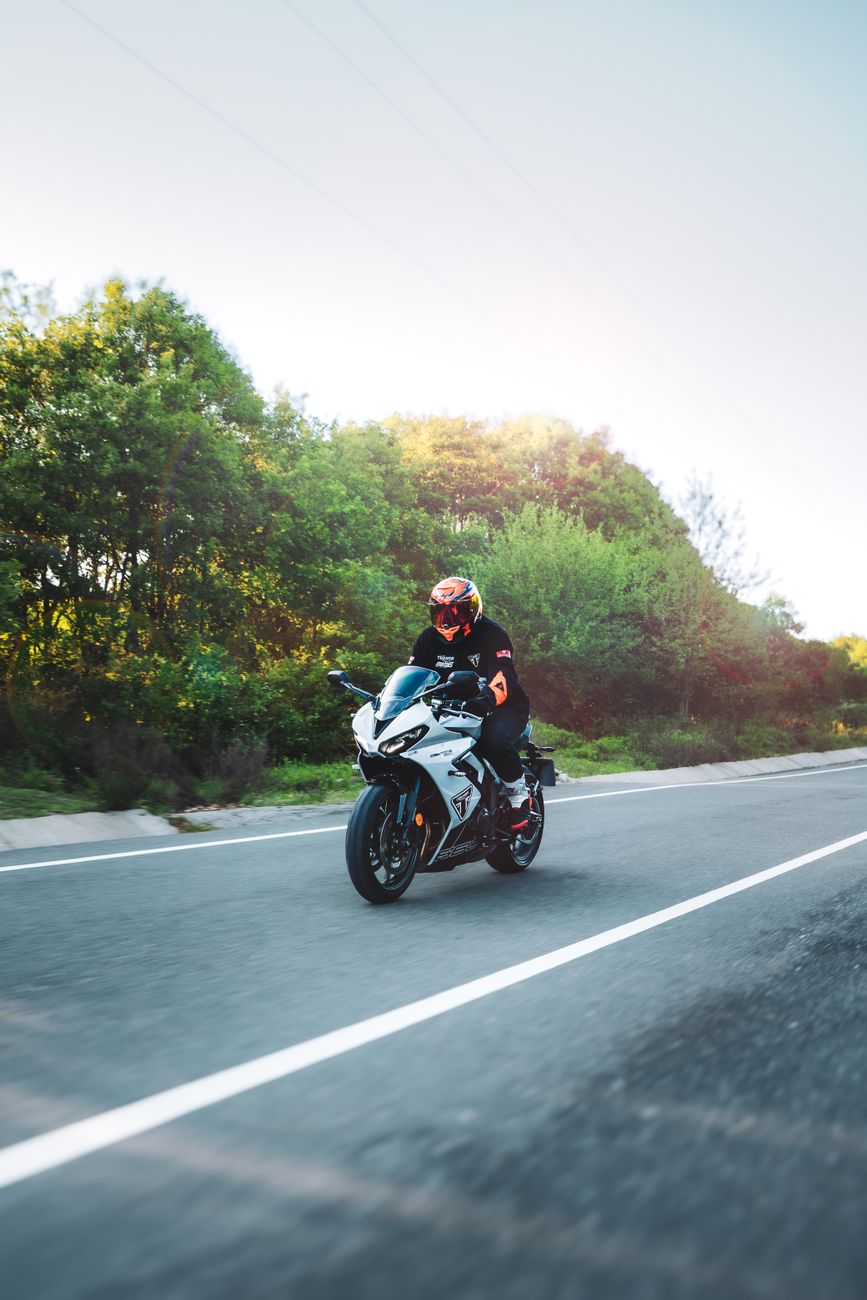
Have you ever had a moment on the road where a hazard seemed to appear out of thin air? A car suddenly pulling out from a concealed driveway, a pedestrian stepping off the curb, or a sudden patch of loose gravel in a bend? When we talk to drivers and riders after a close call, the phrase we hear most often is: “They came out of nowhere!”
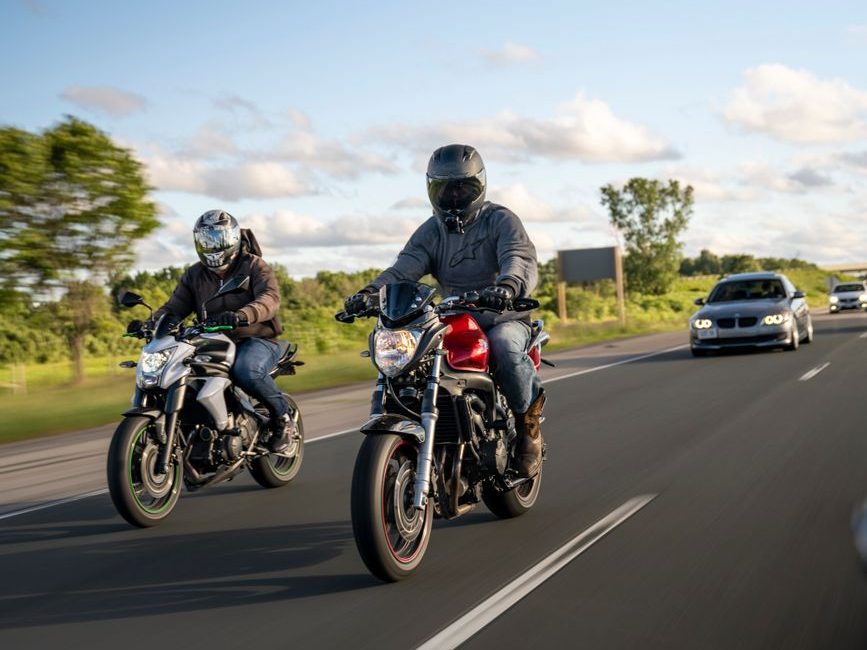
In reality, hazards almost never come out of nowhere. Most traffic incidents and near-misses are the result of missed clues long before the critical moment arrives. True road safety isn’t about having superhuman reaction times; it’s about mastering two distinct skills: Awareness and Observation.
While these two terms are often used interchangeably, they represent two completely different mental processes:
- Awareness is the active process of scanning your environment and gathering raw information.
- Observation is the process of interpreting that information, analysing what it means, and anticipating what will happen next.
Together, awareness and observation form the absolute foundation of defensive driving and riding. They buy you the three most valuable commodities on the road: time, space, and choices.

Mastering the Three Visibility Zones
To process the road effectively without feeling overwhelmed, expert riders and drivers divide their forward view into three distinct visibility zones:
- Zone 1: What You Can See (The Clear Area) This is the open, visible tarmac directly in front of you. Your job in Zone 1 is simple: match your speed and lane positioning to ensure you can stop safely within the distance you can see to be clear.
- Zone 2: What You Can’t See (Hidden Hazards & Blind Spots) This includes sharp bends, crests of hills, blind junctions, or areas obscured by parked vans or high hedges. Safe road users constantly adjust their speed and position to account for uncertainty in Zone 2. If you can’t see around a corner, you must ride or drive at a speed that allows you to react if an obstacle is sitting just beyond your line of sight.
- Zone 3: What You Expect to Happen (Potential Hazards) This zone relies on your predictive thinking. You see a delivery van stopped on a residential street—do you expect a delivery driver to step out from behind it? You see a ball roll into the road—do you expect a child to follow? You see farm gates covered in dried dirt—do you expect tractor mud around the next corner?

Unlocking Environmental Clues
Reading the road like a book means looking far beyond the bumper of the car ahead. Your physical surroundings are constantly dropping hints about what lies ahead:
- Telegraph Poles and Tree Lines: When the road ahead is obscured by hedges or buildings, look at the tops of telegraph poles or streetlights. Their path gives away the severity and direction of upcoming bends long before the road surface comes into view.
- Gaps in Hedges & Buildings: A sudden gap in a field border often signifies a farm entrance or hidden side road. In rural areas, these are hot spots for slow-moving agricultural machinery emerging into fast-moving traffic.
- Distal Brake Lights and Reflection: Looking through the windows of vehicles ahead or watching for reflections off street signs and wet road surfaces gives you early warning of braking traffic down the line.
- Pavement Clues: Pedestrian head movements, children standing near crossings, or people walking dogs on long leads give you critical seconds to cover your brakes early.
Overcoming Common Mental Traps
Even experienced drivers and riders fall prey to cognitive failures. Tunnel vision occurs when stress or high speeds cause your gaze to lock onto a single point directly ahead, stripping away your peripheral vision. Complacency leads to “autopilot driving,” particularly on familiar daily commutes.
To combat this, practice active scanning. Keep your eyes moving continuously: sweep far ahead to the horizon, pull back to mid-distance, check side junctions, scan your mirrors, and repeat. When you actively gather and interpret information, you give yourself the ultimate safety system: time to react smoothly, calmly, and safely.





Leave a comment