
RKT Grading says condition, authenticity and grading are becoming more important as adults return to childhood collections. As Pokémon marks its 30th year, many UK collectors are looking again at cards they bought, traded or kept as children.
For some, that means opening boxes in the loft. For others, it means checking binders, tins and sealed products to see whether anything is worth selling, grading or keeping protected.
This Saturday 30th May at The Swindon Hub in the town centre, the team from KITTY TCG will be setting up their POKEMON Pop-Up for you to buy, trade and sell to your hearts delight, from 10am to 5pm.

RKT Grading, a UK trading card grading service, says more collectors are asking one simple question before selling: is this card worth grading first? Not always.
A rare card in poor condition may still have value, but grading will not automatically make every card worth more. Low-value modern cards, damaged cards and common cards may not justify the cost.
But for the right card, especially one in strong condition, grading can make a major difference to how buyers view it.
Grading gives a card an independent condition score. It can also help with authentication, storage and resale. Buyers can see whether the card has been assessed for centring, corners, edges and surface wear, rather than relying only on seller photos.
Sam, founder of RKT Grading, said: “People often assume rarity is the only thing that matters, but condition can be just as important. Two copies of the same Pokémon card can sell for very different prices if one is heavily worn and the other is clean, sharp and well centred.
“We do not tell people every card should be graded. That would be wrong. Some cards are better kept raw. But if someone has an older holo, a popular character, a first edition card, a clean modern chase card or something they plan to sell, grading can help them understand what they actually have.”
Pokémon card grading has grown sharply in recent years. Collectors are no longer only looking at the card itself. They are looking at proof of condition, authenticity and long-term protection.
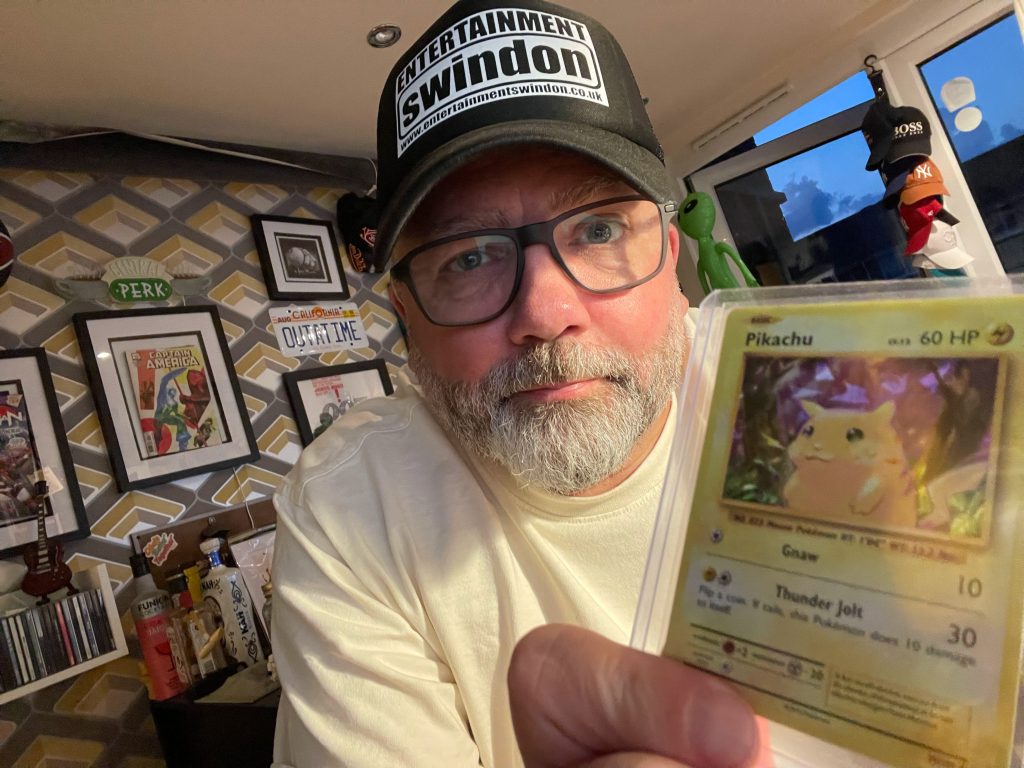
RKT Grading says collectors should check five things before submitting a card:
- Corners: Rounded, whitening or dented corners can reduce the grade.
- Edges: Small chips, whitening or rough cuts can affect the final score.
- Surface: Scratches, print lines, dents and marks are often missed in normal photos.
- Centring: A card can look clean but still be off-centre from top to bottom or side to side.
- Actual market demand: A card being old does not automatically make it valuable. Character, set, rarity and current demand all matter.
The company says the 30th anniversary is likely to bring more attention to older Pokémon collections, especially as adults who grew up with the franchise now have the money and interest to revisit the hobby.
Sam added: “The biggest mistake is rushing to sell without checking properly. Some cards are worth very little. Some are worth grading. A small number can be worth far more than people expect, especially in high grade. The point is to look carefully before making a decision.”
RKT Grading is based in the UK and grades Pokémon cards and other trading cards for collectors who want a clear condition assessment and protective slab.
Collectors can find out more at: RKTGrading.com.




Leave a Reply